


Residual chlorine plays a vital role in keeping water safe. It ensures that harmful bacteria and pathogens are effectively eliminated during disinfection. However, maintaining the right balance is critical. Too little chlorine may lead to unsafe water, while too much can cause health concerns and unpleasant taste or odor.
That’s why understanding how to test for residual chlorine in water is essential for industries such as drinking water treatment, swimming pools, and wastewater management. With the right testing method, you can ensure consistent water quality and regulatory compliance.
Residual chlorine refers to the amount of chlorine remaining in water after the disinfection process. It acts as a protective barrier against contamination during water distribution.
Free chlorine is the active disinfectant available to kill microorganisms. Total chlorine includes both free chlorine and combined chlorine (chloramines). Monitoring both helps provide a complete picture of water quality.
Drinking water: typically 0.2–0.5 mg/L
Swimming pools: around 1–3 mg/L
Industrial systems: varies depending on process requirements
Low levels may result in microbial growth, while excessive chlorine can corrode equipment and affect human health. Accurate testing helps maintain this balance.

Always use clean containers and test immediately to avoid chlorine loss.
Select a method based on accuracy requirements and application scenarios.
Follow the device or reagent instructions carefully to ensure reliable results.
Check whether the measured values fall within recommended ranges and adjust dosing if needed.
For many users, the challenge is not just testing once—but maintaining stable chlorine levels over time. Manual testing methods can be time-consuming, inconsistent, and prone to human error.
The ERUN-SZ1-A-K6 residual chlorine detector is designed to solve these problems through continuous, automated monitoring.
Instead of relying on periodic testing, this online analyzer continuously tracks residual chlorine levels. This ensures immediate detection of fluctuations, helping operators respond quickly and avoid water quality risks.
Using advanced polarographic analysis technology and a high-quality membrane sensor, the device delivers stable and precise measurements. This is especially important for facilities that must meet strict regulatory standards.
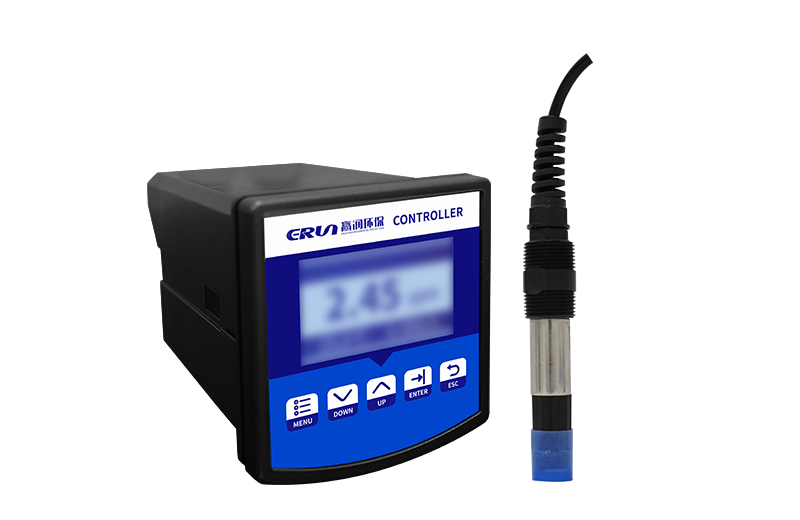
With features like data storage and RS485 communication, the system integrates easily into existing control systems. This reduces labor costs and improves workflow efficiency by minimizing manual intervention.
Whether you manage a drinking water treatment plant, a swimming pool, or hospital wastewater, this solution adapts to your needs. It helps ensure consistent chlorine control in:
Water treatment plants
Distribution networks
Swimming pool systems
Medical wastewater facilities
Industrial circulating water systems
Many users encounter inaccurate results due to avoidable errors:
Improper sampling techniques
Using expired reagents
Skipping calibration of instruments
Not monitoring continuously in critical systems
Avoiding these mistakes can significantly improve testing reliability.
Testing residual chlorine is essential for ensuring safe and compliant water systems. While traditional methods are useful, they may not meet the demands of modern operations.
For consistent accuracy, efficiency, and peace of mind, automated monitoring solutions offer a clear advantage. Choosing the right equipment can help you maintain optimal chlorine levels and protect both users and infrastructure.