


Residual chlorine plays a critical role in maintaining safe and clean water. It acts as a disinfectant that continues working even after the initial treatment process, protecting water from harmful microorganisms during storage and distribution.
However, simply adding chlorine is not enough. Without proper monitoring, chlorine levels can fluctuate, leading to serious water quality issues. That’s why understanding why it is important to test residual chlorine is essential for anyone involved in water treatment, whether in drinking water systems, swimming pools, or industrial processes.
Residual chlorine refers to the amount of chlorine that remains in water after disinfection. This remaining chlorine ensures that water stays protected from contamination as it moves through pipelines or storage systems.
Free chlorine is the active form that kills bacteria and viruses, while total chlorine includes both free chlorine and combined chlorine. Monitoring both helps ensure complete and effective disinfection.
Chlorination is widely used because it provides ongoing protection. Residual chlorine acts as a safeguard, preventing microbial regrowth and maintaining water safety over time.
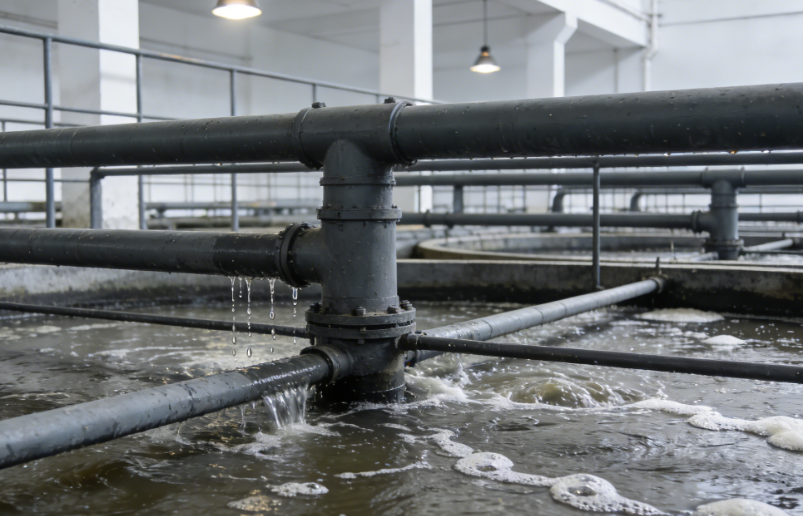
Testing residual chlorine is not just a routine task—it is essential for ensuring water safety, system efficiency, and regulatory compliance.
Proper chlorine levels guarantee that harmful microorganisms are eliminated. Without testing, there is no way to confirm whether disinfection is working effectively.
Excess chlorine can cause irritation to the skin and eyes, as well as unpleasant taste and odor in drinking water. Regular testing helps maintain safe levels.
Water treatment facilities must meet strict standards. Monitoring residual chlorine ensures compliance with local and international regulations, avoiding penalties and operational risks.
High chlorine levels can accelerate corrosion in pipes and equipment. Testing allows operators to control dosing and extend system lifespan.
Consistent monitoring helps maintain stable dosing, improving overall system performance and reducing operational uncertainties.
Failing to test residual chlorine can lead to significant problems.
Insufficient chlorine allows bacteria and pathogens to survive, putting public health at risk.
Without monitoring, chlorine levels may vary unpredictably, resulting in inconsistent water quality.
Incorrect dosing can lead to wasted chemicals, equipment damage, and higher maintenance costs.
Lack of proper monitoring may result in non-compliance with regulations, leading to fines or shutdowns.
For many operators, the biggest challenge is maintaining stable chlorine levels without increasing workload. Manual testing is time-consuming and often unreliable for continuous control.
The ERUN-SZ1-A-K6 residual chlorine analyzer is designed to address these challenges by offering a practical, efficient solution tailored to real-world needs.
This online analyzer continuously measures residual chlorine levels, eliminating the need for frequent manual testing. It ensures that any fluctuation is detected immediately, reducing the risk of water quality issues.
With advanced polarographic analysis technology and a high-quality membrane sensor, the system delivers stable and reliable measurements. This allows operators to make confident decisions based on accurate data.
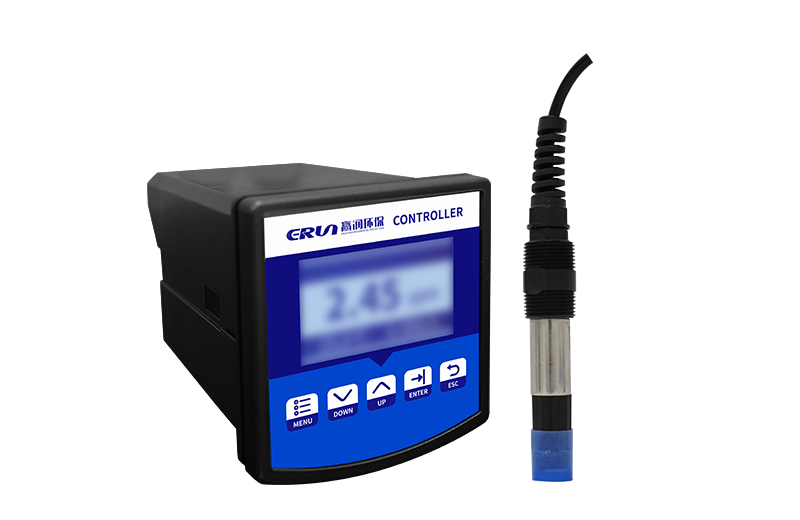
The system automates the monitoring process, significantly reducing manual workload. Features like data storage and RS485 communication enable seamless integration into existing control systems, improving efficiency.
Whether used in drinking water plants, swimming pools, hospital wastewater treatment, or industrial circulating systems, the analyzer provides consistent and dependable monitoring. It helps users maintain optimal chlorine levels across different environments.
Testing residual chlorine is a fundamental part of water quality management. It ensures safe disinfection, protects infrastructure, and supports compliance with regulations.
While manual testing methods have their place, they often fall short in modern systems that demand continuous accuracy. By adopting reliable monitoring solutions, operators can improve efficiency, reduce risks, and maintain consistent water quality over time.