


Water quality management begins with understanding a fundamental question: Why is pH in water important?
Whether you manage municipal drinking water, industrial processes, wastewater treatment, aquaculture systems, or swimming pools, maintaining the correct pH level in water directly impacts safety, equipment performance, regulatory compliance, and operational efficiency.
pH is not just a number—it is a critical indicator of water stability and chemical balance.
The water pH scale measures how acidic or alkaline water is on a range from 0 to 14. A value of 7 is neutral, below 7 is acidic, and above 7 is alkaline.
Even small changes in pH can significantly affect water chemistry.
In most applications, the safe pH level for drinking water typically falls between 6.5 and 8.5. Staying within this range helps maintain water safety and infrastructure integrity.
For municipal water systems and residential supply, maintaining proper pH levels is essential for several reasons:
If water becomes too acidic, it can corrode pipes, causing metals such as copper or lead to leach into drinking water. This creates both health risks and infrastructure damage.
Water that is too acidic may taste metallic, while high-alkaline water can taste bitter. Stable pH improves overall water palatability.
Disinfection chemicals perform optimally within a certain pH range. Poor pH control can reduce treatment efficiency.
The answer to Why is pH in water important becomes clear—public safety, compliance, and trust depend on it.
Beyond drinking water, pH control plays a decisive role in industrial and environmental systems.
Regulatory authorities require discharge water to meet strict pH standards. Deviations can result in penalties and environmental harm.
Aquatic organisms are highly sensitive to pH fluctuations. Sudden changes can stress or even kill fish and other aquatic species.
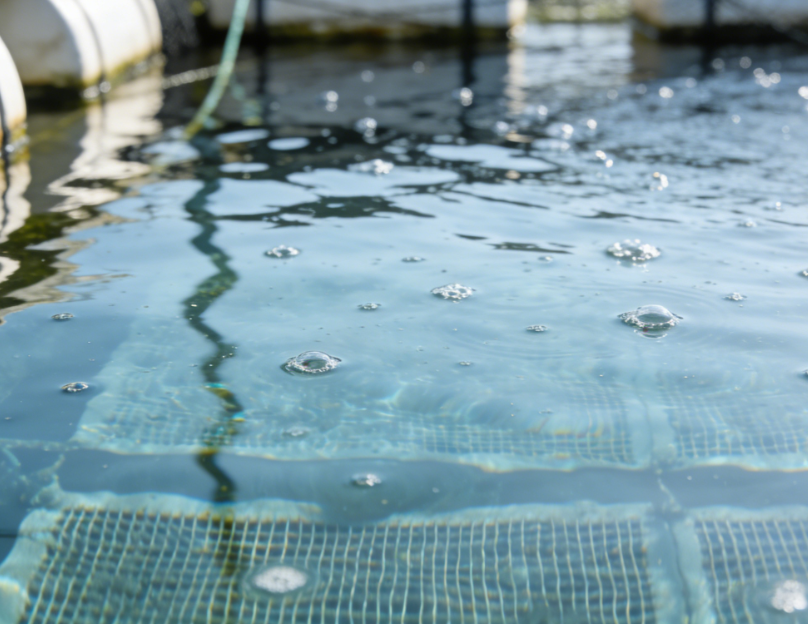
Improper pH levels may lead to:
Scaling in alkaline conditions
Corrosion in acidic environments
Reduced efficiency of boilers, cooling systems, and pipelines
For facilities, understanding Why is pH in water important directly translates to cost control and operational reliability.
When pH drifts outside the optimal range, consequences can escalate quickly:
Increased chemical usage
Equipment deterioration
Inconsistent product quality
Regulatory non-compliance
Unexpected downtime
Relying solely on manual checks or periodic testing may allow fluctuations to go unnoticed. In dynamic systems such as wastewater plants or aquaculture farms, real-time stability is essential.
Traditional pH test strips or handheld devices only provide snapshot readings. However, water systems are constantly changing.
A professional pH monitoring system allows operators to:
Monitor pH in real time
Detect sudden fluctuations
Reduce manual errors
Maintain stable operating conditions
Continuous monitoring ensures proactive adjustments instead of reactive problem-solving.
An online pH sensor becomes a key component of a modern water quality management strategy.
For organizations that require reliable, continuous pH monitoring, the ERUN-SZ4-A-B7A offers a solution designed around real operational challenges.
This advanced water quality pH sensor adopts high-performance industrial online electrodes that can operate stably over extended periods. For customers, this means:
Reduced maintenance frequency
Lower recalibration workload
Consistent measurement reliability
Stability ensures accurate data for long-term decision-making.
Temperature fluctuations often distort pH readings. The built-in temperature sensor automatically compensates for these changes.
This eliminates manual correction and ensures precise readings under varying conditions—especially important for wastewater plants, hydrological monitoring stations, and aquaculture operations.
The system conveniently supports networking and system integration without requiring a separate controller.
For operators upgrading their digital water management infrastructure, this simplifies installation and reduces overall system complexity.
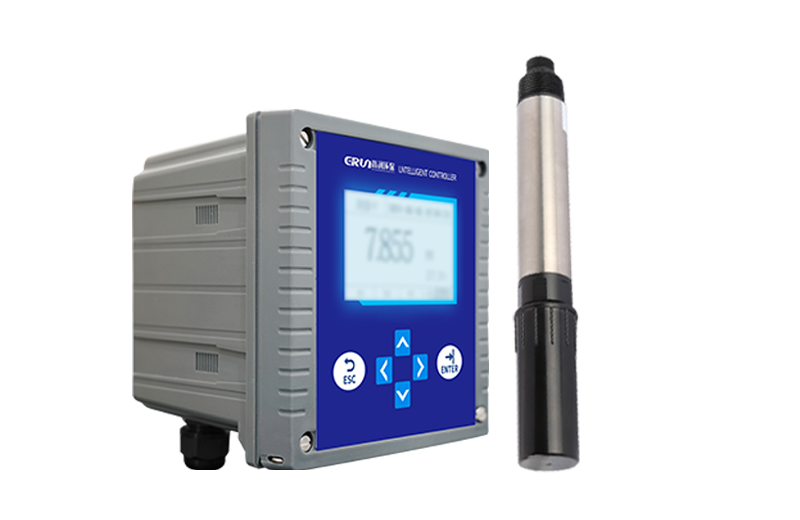
The ERUN solution is widely used in:
Water quality treatment facilities
Hydrological monitoring systems
Wastewater treatment plants
Swimming pool management
Aquaculture water monitoring
As industrial pH monitoring equipment, it provides continuous real-time detection that enhances compliance, protects equipment, and improves operational efficiency.
Instead of reacting to corrosion, scaling, or regulatory violations, customers gain the advantage of preventive control.
So, Why is pH in water important? Because it affects health, infrastructure, treatment efficiency, environmental compliance, and operational stability.
Maintaining the correct pH is not just about meeting standards—it is about protecting systems, reducing costs, and ensuring public and environmental safety.
With advanced monitoring solutions that provide stable long-term performance, automatic temperature compensation, and seamless integration, organizations can achieve consistent and reliable water quality control.
Proactive pH management leads to smarter decisions, safer systems, and stronger operational outcomes.