


Water pH plays a critical role in determining water safety, taste, equipment longevity, and regulatory compliance. Whether for municipal supply, industrial processing, aquaculture, or swimming pools, understanding What is the ideal water pH level is essential for effective water quality management.
Maintaining the correct balance is not just about meeting standards—it directly impacts operational stability and long-term system protection.
The water pH scale ranges from 0 to 14. A value of 7 is neutral, values below 7 indicate acidity, and values above 7 indicate alkalinity. Even small fluctuations can significantly affect water quality.
In practical terms, the pH level in drinking water determines not only safety but also taste and compatibility with plumbing systems.
According to widely recognized international guidelines, the ideal water pH level for drinking water generally falls between 6.5 and 8.5. This slightly neutral to mildly alkaline range helps:
Prevent pipe corrosion
Reduce metal leaching (such as copper or lead)
Maintain acceptable taste
When water pH drops too low, it becomes corrosive. When it rises too high, scaling and mineral buildup can occur.
If water is too acidic:
Pipes may corrode
Heavy metals may dissolve into the water
Infrastructure costs increase
If water is too alkaline:
Scaling forms inside pipes and equipment
Water may taste bitter
Industrial efficiency may decrease
Understanding What is the ideal water pH level is the first step—but continuous monitoring ensures that balance is consistently maintained.
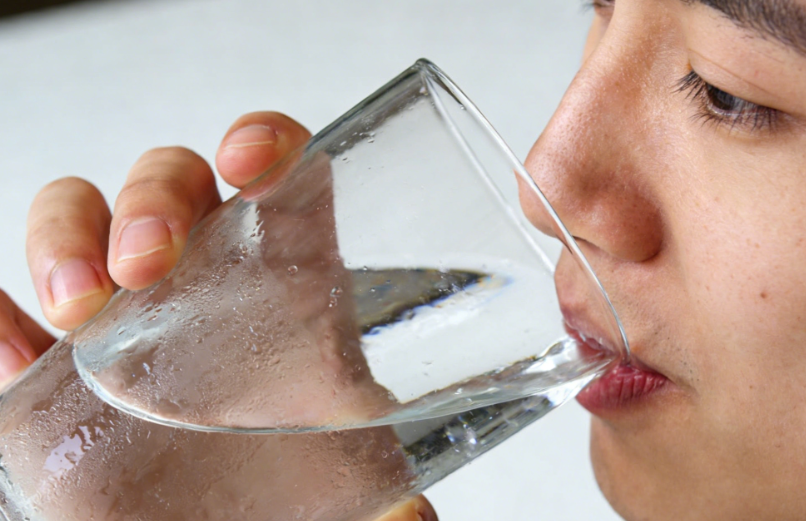
Different industries may require slightly different pH ranges:
Municipal drinking water: typically 6.5–8.5
Wastewater treatment: controlled depending on discharge regulations
Aquaculture: stable range to protect aquatic life
Swimming pools: usually 7.2–7.8 for comfort and sanitation
Industrial processes: dependent on system sensitivity
Proper industrial pH monitoring equipment ensures operations remain within target ranges, preventing costly downtime and compliance risks.
Traditional test strips or handheld meters provide quick checks, but they do not offer continuous data. In dynamic environments such as wastewater plants or aquaculture systems, pH can fluctuate rapidly.
Relying solely on periodic checks increases the risk of unnoticed deviations.
A professional pH monitoring system provides:
Real-time detection
Automatic data logging
Immediate response to abnormal changes
Greater regulatory transparency
An online pH sensor helps maintain operational stability by allowing proactive adjustment rather than reactive correction.
Maintaining balance is more complex than it appears.
Water temperature directly influences pH readings. Without temperature compensation, measurements may be inaccurate.
Overdosing neutralizing agents can swing pH in the opposite direction, creating instability.
Low-quality sensors may drift over time, leading to inconsistent readings and poor decision-making.
These challenges highlight the importance of stable, industrial-grade monitoring solutions.
For facilities that require reliable and continuous pH monitoring, the ERUN-SZ4-A-B7A online pH water quality monitor provides a practical, professional solution tailored to real operational needs.
This water quality pH sensor adopts high-performance industrial online electrodes, designed to operate continuously in demanding environments. Long-term stability reduces maintenance frequency and minimizes recalibration interruptions—saving both time and labor costs.
One of the major causes of inaccurate readings is temperature fluctuation. The built-in temperature sensor automatically compensates for changes, ensuring measurement accuracy without manual correction. This feature helps operators maintain the ideal water pH level with greater confidence.
The system can conveniently realize networking and system integration without an external controller. For facilities upgrading to digital water management platforms, this simplifies implementation and reduces installation complexity.
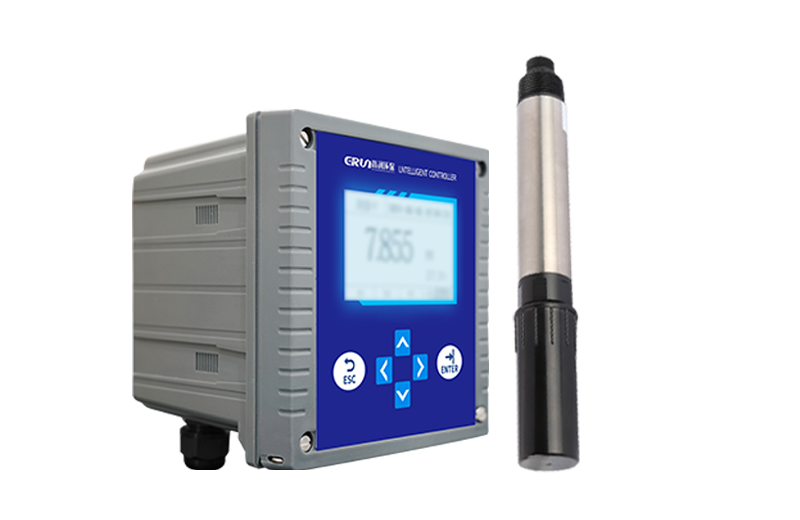
The ERUN solution is widely used in:
Water quality treatment plants
Hydrological monitoring stations
Wastewater treatment systems
Swimming pools
Aquaculture water management
By providing continuous, real-time detection, it helps operators prevent corrosion, scaling, regulatory violations, and unexpected system failures.
Instead of reacting to pH problems after damage occurs, this solution enables proactive control and data-driven decisions.
So, What is the ideal water pH level? In most cases, it falls between 6.5 and 8.5—but the real priority is consistent stability within the appropriate range for your specific application.
Fluctuations can damage infrastructure, affect product quality, and create compliance challenges. Continuous monitoring using advanced industrial pH monitoring equipment ensures accurate measurement, automatic temperature compensation, and seamless integration into water management systems.
By investing in reliable real-time detection, organizations can maintain safer water, reduce operational risk, and achieve smarter water quality control.