


Chlorine plays a critical role in modern water treatment. It disinfects drinking water, prevents bacterial outbreaks, and keeps swimming pools sanitary. However, while chlorine is essential for safety, the side effects of chlorine in water can become a concern when levels are not properly controlled.
Understanding the risks of excessive chlorine exposure and implementing accurate chlorine level testing is key to maintaining both public health and operational efficiency.
Chlorine in drinking water is widely used to eliminate harmful microorganisms. It provides residual disinfection, meaning it continues protecting water as it moves through pipelines to homes and facilities.
However, problems arise when chlorine concentrations exceed recommended limits.
Exposure to high chlorine level in water may cause:
Skin dryness and irritation
Eye redness and discomfort
Respiratory irritation for sensitive individuals
Unpleasant taste and odor in tap water
For swimmers and frequent water users, prolonged exposure to excessive chlorine may increase discomfort.
Over-chlorination can lead to the formation of disinfection by-products (DBPs), which form when chlorine reacts with organic matter. Regulatory agencies strictly control residual chlorine levels to minimize these risks.
This is why maintaining safe and stable chlorine concentrations through professional water quality monitoring system solutions is essential.
The side effects of chlorine in water extend beyond personal health. Industrial systems and municipal infrastructure may also suffer when chlorine is not properly controlled.
High chlorine concentrations may contribute to:
Pipe corrosion
Damage to filtration systems
Reduced lifespan of pumps and valves
For industries such as food and beverage, pharmaceuticals, petrochemicals, and aquaculture, unstable chlorine levels can affect product quality and regulatory compliance.
Accurate industrial chlorine monitoring protects both equipment and operational consistency.

Relying on smell alone is unreliable. A strong chlorine odor does not necessarily indicate safe or unsafe concentration levels. Only precise chlorine testing equipment can determine actual values.
Routine testing helps organizations:
Maintain safe chlorine levels
Avoid over-chlorination
Prevent under-disinfection
Comply with regulatory standards
Consistent documentation is especially important in municipal supply, healthcare, and environmental monitoring sectors.
Without accurate data, corrective actions may be delayed, increasing risk.
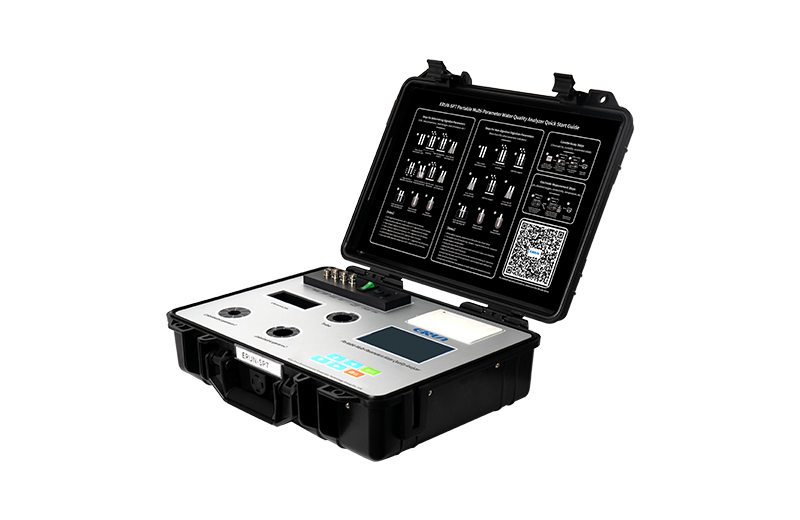
For facilities seeking reliable measurement, the ERUN-SP7-C4 portable water chloride testeroffers an efficient and precise solution.
Designed for rapid and accurate detection of chloride ion concentration, this instrument supports on-site testing across multiple industries—including municipal water supply, food processing, environmental monitoring, healthcare, pharmaceuticals, thermal power generation, papermaking, aquaculture, biotechnology, petrochemicals, and water treatment.
One key advantage is its portability. On-site measurement reduces delays associated with laboratory testing and enables faster operational decisions. For facility managers, this means quicker adjustments and lower compliance risk.
The device offers expandable customizable parameters, allowing users to adapt testing capabilities according to their water quality management needs. Instead of investing in multiple instruments, organizations can implement a flexible solution tailored to their operations.
Large-capacity detection data storage ensures that testing results are preserved for audits and long-term analysis. The automatic data backup function further protects valuable measurement records, improving traceability and regulatory reporting efficiency.
For professionals searching for dependable portable water chloride tester solutions, this approach enhances monitoring accuracy while simplifying data management.
The side effects of chlorine in water are particularly relevant to:
Municipal drinking water providers
Industrial water treatment facilities
Food and beverage manufacturers
Healthcare institutions
Aquaculture operators
Environmental monitoring agencies
In each case, stable chlorine levels protect health, equipment, and regulatory standing.
Follow regulatory guidelines and avoid excessive dosing.
Daily or scheduled chlorine level in water measurements ensure early detection of fluctuations.
Professional chlorine testing equipment improves accuracy and reduces human error. A comprehensive water quality monitoring system supports data storage, statistical analysis, and compliance reporting.
Proactive monitoring is far more effective than reacting to problems after they occur.
The side effects of chlorine in water can affect health, infrastructure, and industrial processes when chlorine is not properly managed. While chlorine remains essential for disinfection, maintaining balanced concentrations is critical.
Accurate chlorine level testing ensures public safety, operational stability, and regulatory compliance. By adopting reliable monitoring solutions such as a portable water chloride tester, organizations can perform efficient on-site testing, secure valuable data, and maintain consistent water quality standards.
Smart monitoring leads to safer water and stronger operational control.