


When evaluating water purity, clarity alone is not enough. One of the most critical yet invisible indicators is TOC in water. So, how does TOC affect water quality, and why are more industries prioritizing its control?
From pharmaceutical production to municipal treatment plants, monitoring Total Organic Carbon analysis has become essential for ensuring safety, compliance, and operational stability.
TOC (Total Organic Carbon) measures the amount of carbon found in organic compounds dissolved or suspended in water. These organics may originate from natural sources such as decaying vegetation, or from industrial discharge, production residues, and pipeline contamination.
Unlike turbidity, which measures visible particles, TOC detects dissolved organic matter at a molecular level. This makes it a powerful parameter in modern water quality monitoring.
When TOC levels rise, they often signal deeper problems within the system.
Understanding how does TOC affect water quality requires examining both safety and operational impacts.
Organic carbon acts as a nutrient source for bacteria. Elevated TOC encourages microbial growth and biofilm formation inside pipelines and storage tanks. Over time, this compromises system hygiene and increases maintenance frequency.
In drinking water TOC testing, one major concern is the reaction between organic matter and chlorine. This chemical interaction can form disinfection by-products (DBPs), some of which pose health risks and are strictly regulated.
In pharmaceutical water testing, even trace organic contamination can interfere with product quality. Regulatory bodies such as USP require strict TOC control in purified water and Water for Injection (WFI).
For power plants and electronics manufacturing, high organic content can lead to membrane fouling, corrosion, and reduced boiler efficiency. Reliable industrial water analysis helps prevent costly downtime.
In short, TOC doesn’t just indicate contamination—it predicts potential system failure.

Several sources contribute to increased TOC in water systems:
Surface water runoff carrying natural organic matter
Industrial process discharge
Residual cleaning agents in pharmaceutical facilities
Biofilm accumulation in aging distribution systems
Secondary contamination in storage tanks
Because these sources vary by industry, consistent monitoring is the only reliable way to maintain stable water quality.
A TOC analyzer measures organic carbon by oxidizing the carbon compounds into carbon dioxide (CO₂), which is then quantified.
There are two common methods:
This method uses extreme heat to oxidize organic material. While effective, it often requires carrier gases and frequent maintenance, increasing operational costs.
The UV oxidation TOC method uses ultraviolet light to break down organic molecules. It typically requires fewer consumables and offers lower long-term maintenance requirements.
For facilities aiming to balance precision with operational efficiency, UV-based TOC systems are increasingly preferred.
Monitoring TOC effectively is not just about measurement accuracy—it’s about reducing operational burden, controlling costs, and ensuring compliance.
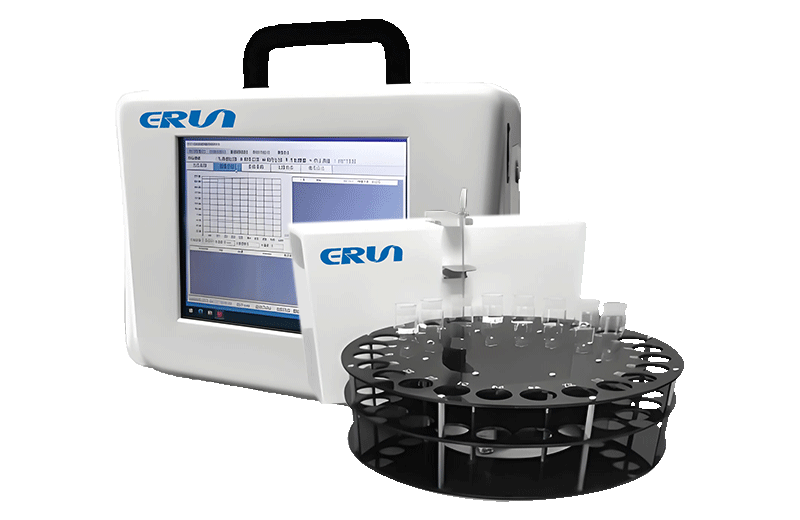
The ERUN-SP3-J3 TOC analyzer is designed to address these practical challenges.
By using UV catalytic oxidation technology, it eliminates the need for additional acid reagents or carrier gases. This reduces chemical handling risks and long-term operating expenses.
Its automated sampling system helps provide stable, repeatable results, minimizing manual errors and improving efficiency in regulated environments such as pharmaceutical production and drinking water facilities.
With a user-friendly touch-screen interface, it simplifies daily operation and maintenance, allowing technical teams to focus on process optimization rather than equipment complexity.
Instead of increasing workload, a well-designed TOC solution should make compliance easier—and that’s exactly what modern UV-based analyzers aim to deliver.
While monitoring is essential, proactive management further strengthens water quality control:
Implement activated carbon filtration
Optimize pretreatment systems
Maintain clean pipelines and storage tanks
Conduct routine Total Organic Carbon analysis
Use real-time monitoring to detect changes early
Preventive control not only protects water quality but also reduces regulatory and operational risks.
So, how does TOC affect water quality?
It influences microbial stability, chemical reactions, regulatory compliance, and overall system efficiency. Organic carbon may be invisible, but its impact is measurable and significant.
Through accurate water quality monitoring, consistent pharmaceutical water testing, and reliable industrial water analysis, organizations can maintain purity and prevent contamination risks.
Choosing the right TOC analyzer ensures that TOC control becomes a manageable, cost-effective part of your water management strategy—rather than a constant concern.