


If you work in pharmaceutical production, power generation, or drinking water treatment, you’ve likely encountered the term TOC in water. But what does it really mean, and why is it so important?
As water quality standards continue to tighten worldwide, Total Organic Carbon analysis has become one of the most reliable ways to monitor organic contamination. Understanding TOC is the first step toward ensuring system safety, compliance, and operational stability.
TOC (Total Organic Carbon) measures the amount of carbon found in organic compounds within water. These compounds may come from natural sources like plant decomposition or from industrial discharge, biofilm formation, and production processes.
Unlike visual clarity indicators such as turbidity, TOC detects dissolved organic matter that cannot be seen by the naked eye. This makes it a critical parameter in modern water quality monitoring.
TOC is often analyzed together with:
TC (Total Carbon) – total carbon content in water
TIC (Total Inorganic Carbon) – inorganic forms like carbonates
NPOC (Non-Purgeable Organic Carbon) – stable organic carbon after inorganic removal
Understanding the TC TIC NPOC difference allows technicians to identify the true source of contamination more accurately.
Monitoring TOC in water is essential because organic contamination can cause:
Biofilm growth in pipelines
Membrane fouling
Reduced filtration efficiency
Interference with pharmaceutical production
Formation of disinfection by-products in drinking water
In pharmaceutical water testing, TOC is a mandatory compliance indicator under USP and other international standards. Even trace organic residues can compromise product quality.
For municipal treatment plants, proper drinking water TOC testing helps control reactions between organics and chlorine, preventing harmful by-product formation.
In short, TOC serves as an early warning signal for invisible contamination risks.
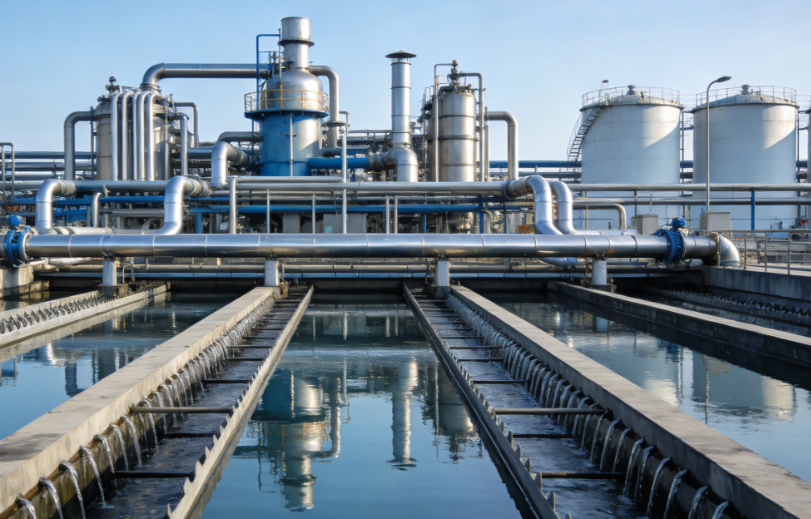
A TOC analyzer determines organic carbon by oxidizing carbon compounds into carbon dioxide (CO₂), which is then measured.
The two most common detection methods include:
This method uses heat to oxidize organics. While accurate, it often requires carrier gas and frequent maintenance, increasing operational costs.
The UV oxidation TOC method uses ultraviolet light to catalytically oxidize organic matter. It typically requires fewer consumables and has lower maintenance demands.
For facilities seeking efficiency and cost control, UV-based systems are often a practical solution.
Accurate industrial water analysis is essential in several industries:
Purified water and Water for Injection (WFI) systems require strict organic carbon control to maintain product safety and meet regulatory limits.
Organic contamination in boiler feed water can lead to scaling and corrosion, reducing system lifespan.
Semiconductor manufacturing requires extremely low organic levels to maintain precision.
TOC monitoring helps protect public health and ensures regulatory compliance.
Across all applications, continuous monitoring reduces the risk of system failure and unexpected downtime.
Selecting the right TOC analyzer depends on several factors:
Detection method
Maintenance requirements
Automation level
Compliance compatibility
Operating cost over time
For facilities that want simplified operation and reduced chemical handling, UV-based TOC systems can offer clear advantages.
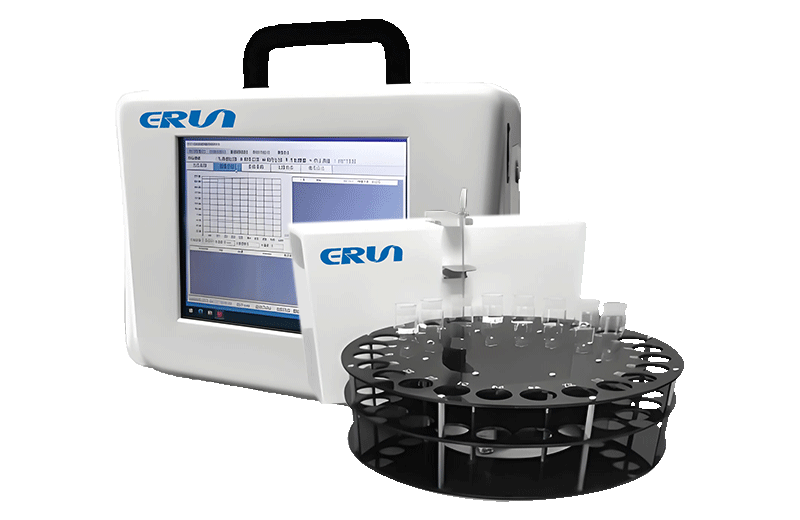
For example, ERUN-SP3-J3 Total Organic Carbon Analyzer uses UV catalytic oxidation and automated sampling to help minimize maintenance effort while maintaining stable measurement performance. Designed for applications such as pharmaceutical water, purified water, and industrial systems, it focuses on operational efficiency and compliance support without unnecessary complexity.
Rather than adding workload, the right analyzer should help streamline your quality control process.
So, What is TOC in water? It is a critical measurement of organic contamination that directly impacts water purity, regulatory compliance, and system reliability.
From pharmaceutical water testing to drinking water TOC testing, accurate Total Organic Carbon analysis ensures safety and operational stability. By choosing a reliable, low-maintenance TOC analyzer, organizations can reduce risk, control costs, and maintain confidence in their water quality systems.
In today’s increasingly regulated environment, proactive TOC monitoring isn’t optional — it’s essential.