


Water, the lifeblood of our planet, faces an escalating threat that often goes unseen: ammonia nitrogen pollution. As a primary pollutant from agricultural non-point sources, domestic sewage, and industrial discharge, ammonia nitrogen is not merely an indicator of water quality—it is a key driver behind the growing crisis of water eutrophication. In agricultural-intensive regions across Southeast Asia, South Asia, and Africa, the problem is particularly acute, with excess nutrients triggering algal blooms, oxygen depletion, and irreversible damage to aquatic ecosystems. Understanding the challenges posed by ammonia nitrogen pollution and adopting effective monitoring strategies is no longer an environmental luxury but a necessity for safeguarding our shared water resources.
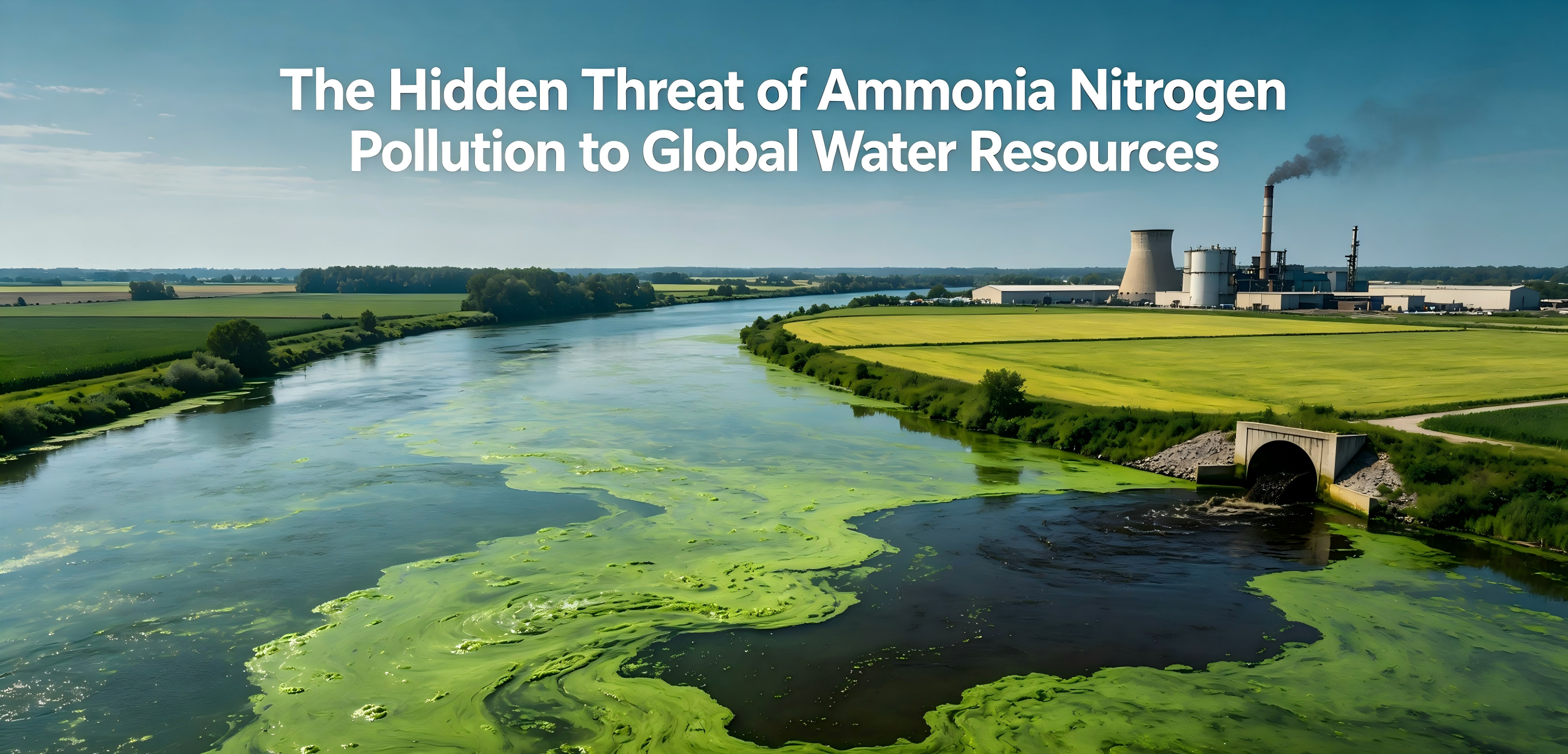
Ammonia nitrogen, present in water as free ammonia (NH₃) and ammonium ions (NH₄⁺), acts as a "nutrient overload" for water bodies. When concentrations exceed natural levels, it fuels explosive algal growth, leading to the formation of harmful blooms that block sunlight, deplete dissolved oxygen, and suffocate fish and other aquatic life. The consequences are far-reaching: water bodies turn murky, emit foul odors, and lose their ability to support biodiversity.
Agricultural Runoff: Fertilizers and livestock waste carry high levels of nitrogen into rivers, lakes, and groundwater.
Domestic Sewage: Untreated or partially treated wastewater from urban areas introduces significant ammonia loads.
Industrial Discharge: Processes in manufacturing, food processing, and other industries release nitrogen-rich effluents.
In many developing regions, rapid urbanization and agricultural expansion have outpaced wastewater treatment infrastructure, leaving water bodies vulnerable to chronic ammonia nitrogen contamination. The lack of real-time, accurate monitoring further exacerbates the issue, as polluters and regulators lack the data needed to detect and address problems before they escalate.
The Critical Role of Ammonia Nitrogen Monitoring in Pollution Control
Detect Pollution Hotspots: Identify sources of ammonia discharge, whether from agricultural fields, sewage plants, or industrial facilities.
Track Eutrophication Risks: Monitor trends in ammonia levels to predict and prevent algal blooms.
Ensure Regulatory Compliance: Meet environmental standards for effluent discharge and surface water quality.
Optimize Treatment Processes: For sewage treatment plants, ammonia nitrogen readings guide adjustments to nitrification processes, improving efficiency and reducing operational costs.
Colorimetric Methods: Known for high accuracy and sensitivity, ideal for laboratory and controlled field environments.
Ion-Selective Electrode Methods: Provide rapid, real-time readings, making them suitable for on-site and continuous monitoring.
For users seeking flexibility, portable ammonia nitrogen detectors offer a practical solution. Lightweight and user-friendly, these devices allow field technicians to conduct spot checks at multiple locations, making them perfect for agricultural runoff surveys, lake and river monitoring, and emergency response scenarios. The ERUN-SP8-ASC-E6 portable ammonia nitrogen water quality analyzer exemplifies this versatility, enabling quick, reliable measurements in the field without the need for complex laboratory setups.
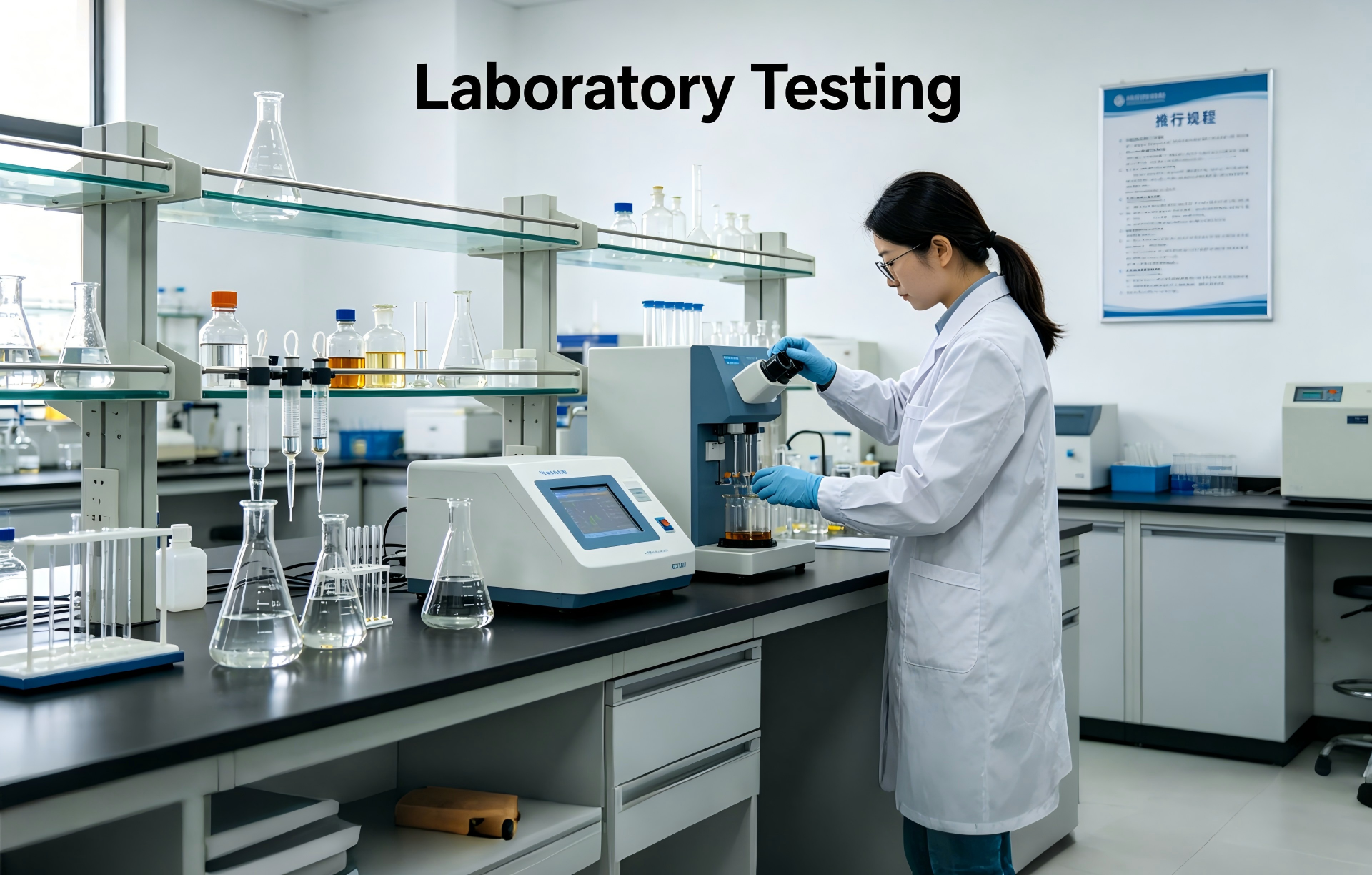
For facilities requiring continuous, unattended monitoring—such as sewage treatment plants and industrial discharge points—online ammonia nitrogen analyzers are indispensable. These systems provide 24/7 data collection, automatically transmitting readings to control centers for real-time analysis and alerting operators to exceedances. The ERUN-SZ4-A-E6 online ammonia nitrogen water quality monitor is designed for this purpose, offering stable performance and low maintenance to support long-term monitoring in challenging environments.