The Critical Role of COD Monitoring in Industrial Wastewater Management
Chemical Oxygen Demand (COD) stands as the cornerstone indicator for measuring organic pollution in water. For rapidly industrializing regions like India, China, and Southeast Asia, where textile, printing, and pharmaceutical industries thrive, accurate and reliable COD monitoring is no longer just a regulatory requirement—it’s the foundation of sustainable operations.
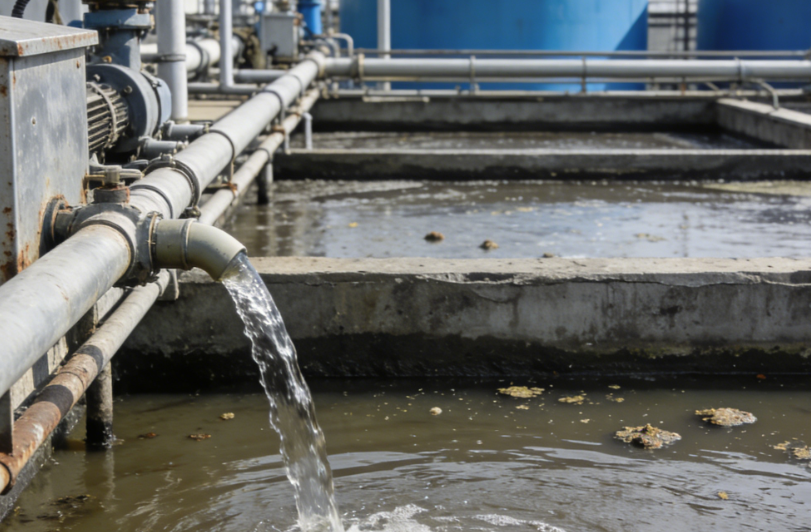
However, many industrial facilities and environmental agencies still grapple with persistent challenges that undermine their wastewater management efforts. From delayed results and data inaccuracies to high operational costs, these pain points often leave compliance teams scrambling to meet tightening discharge standards.
Unpacking the Core Challenges in COD Monitoring
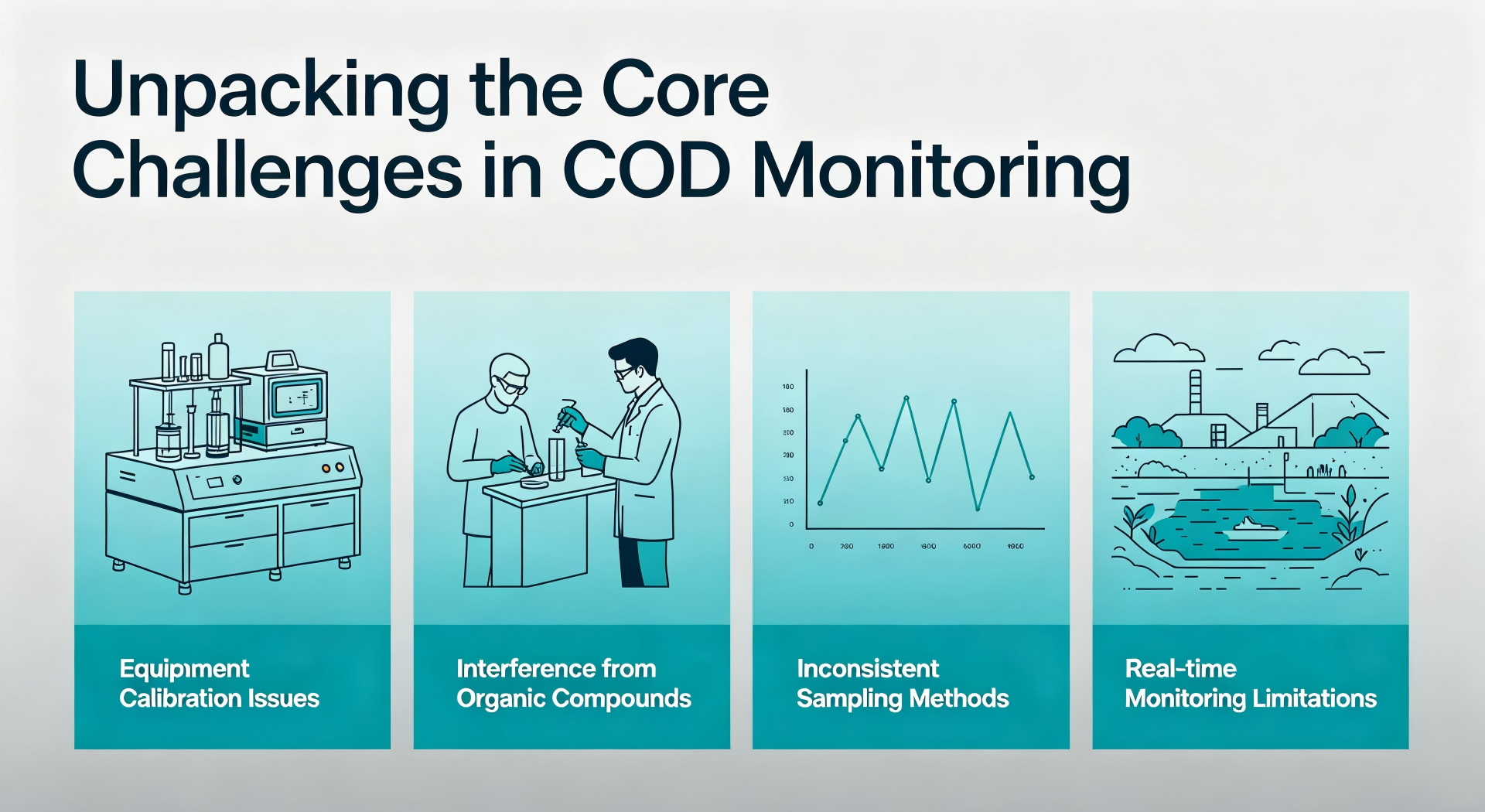
1. Slow Turnaround and Delayed Action
Traditional laboratory-based COD testing remains a bottleneck for many facilities. The process—from sample collection, transportation, and lengthy digestion (often 2+ hours) to final analysis—creates critical delays. In fast-paced industrial environments, where wastewater quality can fluctuate drastically within hours, waiting days for results means missing the window to address pollution spikes before they violate regulations or harm treatment processes.
2. Data Inaccuracy and Environmental Interference
Complex industrial wastewater matrices present significant hurdles to reliable COD measurement. High turbidity, salinity, and varying pH levels in textile or printing wastewater often interfere with conventional methods, leading to underreported or overestimated COD values. In some cases, the deviation between on-site conditions and lab results can exceed 30%, leaving operators with misleading data that hinders effective decision-making.
3. High Operational Costs and Maintenance Burdens
Older COD monitoring systems often come with steep ongoing costs. Reagent consumption, frequent calibration, and specialized maintenance drive up operational expenses, while downtime from clogged pipes or sensor fouling disrupts continuous monitoring. For resource-constrained facilities in emerging markets, these costs can strain budgets and lead to inconsistent monitoring practices.
4. Limited Flexibility for Field and Remote Monitoring
Many industrial sites, especially in sprawling Southeast Asian industrial zones, lack robust laboratory infrastructure. Traditional fixed-line monitoring systems fail to address the need for on-site, real-time testing during emergency spills, compliance audits, or remote site assessments. Without portable solutions, environmental inspectors and plant operators are forced to rely on outdated or incomplete data.
Addressing Challenges with Advanced COD Monitoring Solutions
To bridge these gaps, modern COD monitoring technology has evolved to combine speed, accuracy, and flexibility—tailored to the unique demands of industrial wastewater management.
For facilities needing continuous oversight, the ERUN-SZ4-A-J5 COD Online Water Quality Monitor offers a robust solution. Designed for real-time tracking, it leverages colorimetric or rapid digestion methods to deliver reliable data even in high-COD environments (0-15000 mg/L range). Its compact, industrial-grade build withstands the harsh conditions of textile and pharmaceutical wastewater discharge points, reducing maintenance needs while ensuring compliance with discharge standards. For field operations and emergency assessments, the ERUN-SP9-4 Portable Multi-Parameter Water Quality Analyzer provides unmatched flexibility. This handheld device enables on-site COD testing alongside ammonia nitrogen, total phosphorus, and total nitrogen, eliminating delays from sample transportation. With rapid digestion technology that cuts processing time to minutes, environmental monitoring stations and industrial park inspectors can make immediate decisions to prevent pollution incidents. Both solutions align with the evolving needs of key stakeholders: environmental monitoring stations requiring regulatory-grade data, industrial parks overseeing multiple dischargers, and enterprises striving to meet both local and international standards.
Looking Ahead: The Future of COD Monitoring in Industrializing Markets
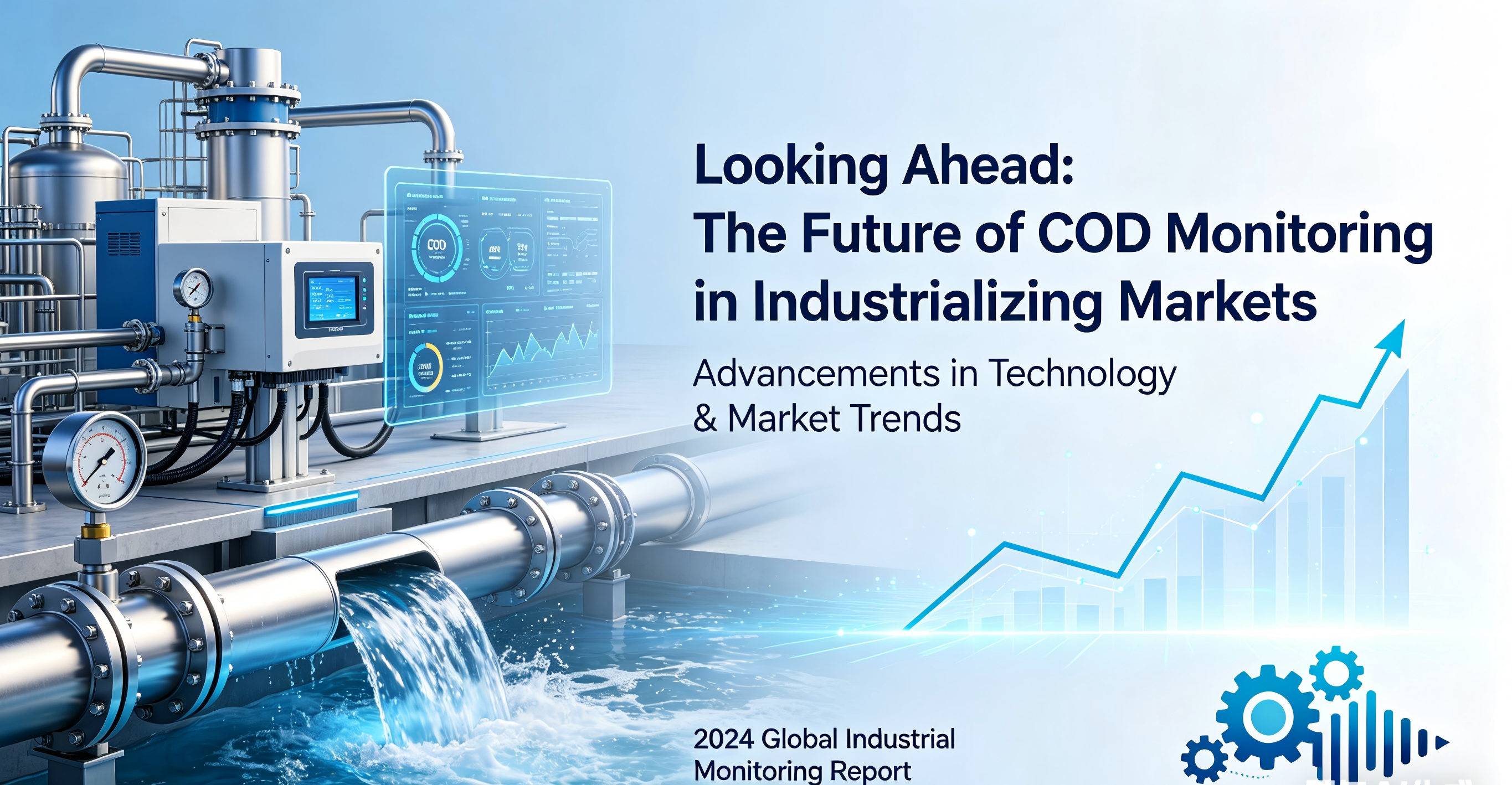
As regulations tighten and industrial activity expands across Asia, the demand for smarter, more accessible COD monitoring solutions will only grow. The key to success lies in moving beyond reactive, lab-based testing to proactive, real-time monitoring that empowers operators to address issues before they escalate.
Whether through continuous online systems or portable field devices, the focus remains on delivering actionable, accurate data—supporting sustainable growth while protecting water resources. For industrial facilities and environmental agencies alike, investing in advanced COD monitoring isn’t just about compliance; it’s about building resilience in an era of rapid industrial change.