


The detection of ammonia nitrogen in water is critical for both environmental monitoring and water quality management. Ammonia nitrogen can originate from various sources, including agricultural runoff, wastewater discharges, and industrial processes. The presence of ammonia in water can lead to adverse effects on aquatic life and pose risks to human health. Therefore, the implementation of standardized methods for its detection is essential to ensure effective monitoring and management.
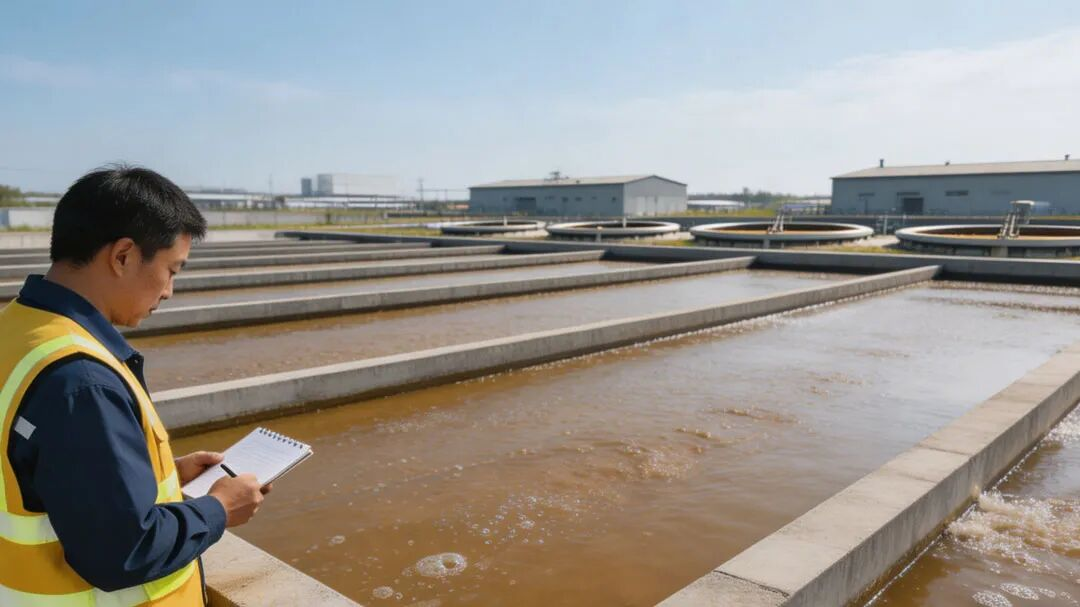
There are six widely recognized national standard methods for ammonia nitrogen detection in water, each with unique characteristics, advantages, and application scenarios:
- Description: This method involves the addition of Nessler's reagent to a water sample, which produces a colored complex with ammonia. The intensity of the color is measured spectrophotometrically.
- Application Scenario: Commonly used for routine monitoring in municipal wastewater treatment plants due to its simplicity and cost-effectiveness.
- Description: In this method, ammonia reacts with salicylate compounds in the presence of hypochlorite, leading to the formation of an indophenol blue colored complex. The absorbance of this complex is measured at a specific wavelength.
- Application Scenario: Suitable for low concentration measurements, making it ideal for environmental monitoring in lakes and rivers.
- Description:This electrochemical method utilizes a selective membrane to measure the potential difference created by ammonium ions in the solution. The concentration is determined based on the Nernst equation.
- Application Scenario: Used in real-time monitoring systems where continuous data is needed, such as in aquaculture systems.
- Description: This technique involves the use of a membrane to allow ammonia gas to diffuse from the water sample into a receiving solution where it is quantified.
- Application Scenario: Useful in situations where samples are difficult to handle or transport, such as remote field testing.
- Description: These advanced methods separate ammonia from other components in the sample before quantification. High-Performance Liquid Chromatography (HPLC) or Gas Chromatography (GC) can be employed for accurate measurement.
- Application Scenario: Ideal for laboratory settings that require high precision and validation of results, often used in research studies.
- Description: A flow-based technique that continuously injects the sample into a carrier stream and mixes it with reagents to produce a measurable color change.
- Application Scenario: Suitable for automated labs where high throughput and rapid analysis are essential, such as in large-scale water quality monitoring programs.
The ERUN Series Water Quality Detectors integrates these standard methods, providing an advanced platform for ammonia nitrogen detection. These detectors employ modern technology that enhances sensitivity, specificity, and reliability of measurements. Below are some aspects of how ERUN devices facilitate detection:
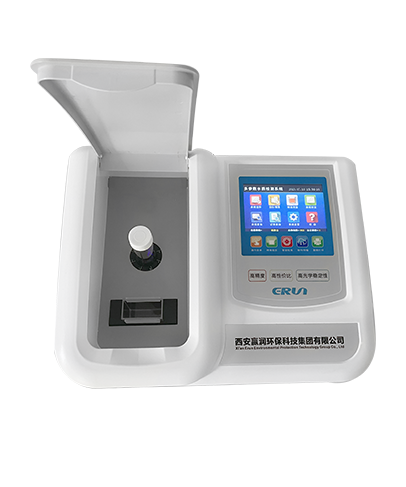
- Multi-parameter Measurement: ERUN-ST7 Benchtop and ERUN- SP9 portable Analyzer can simultaneously measure multiple water quality indicators, including ammonia nitrogen, pH, turbidity, and other parameters, providing a comprehensive overview of water health.
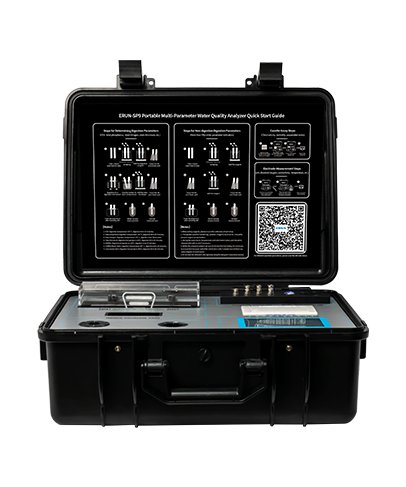
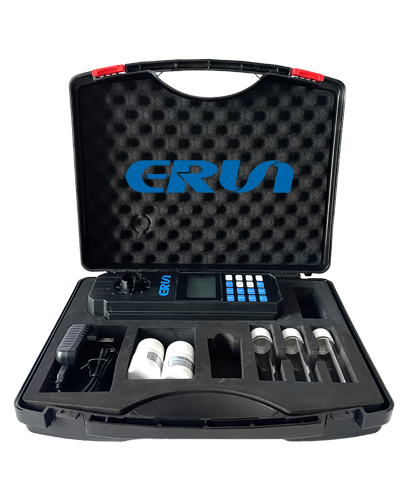
- Portability and Ease of Use: Designed for field applications, ERUN detectors(SP5-E6) are often portable, user-friendly, and capable of operating in diverse environmental conditions.
- Real-time Data Monitoring: These detectors( ERUN-SZ4-A-E6 Online Ammonia Nitrogen monitor and ERUN-SP8-ASC-E6 Portable Rapid Ammonia Nitrogen Analyzer) typically offer real-time monitoring capabilities, allowing for immediate response to changing water quality conditions, critical in sectors like aquaculture and industrial discharges.
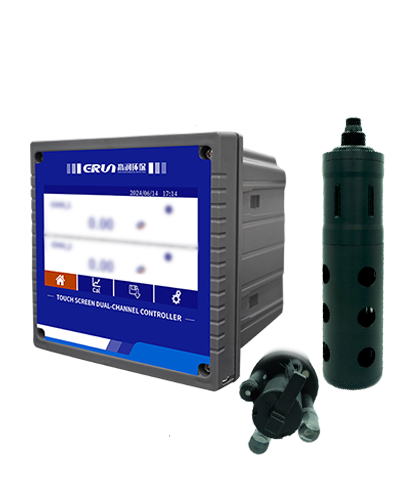
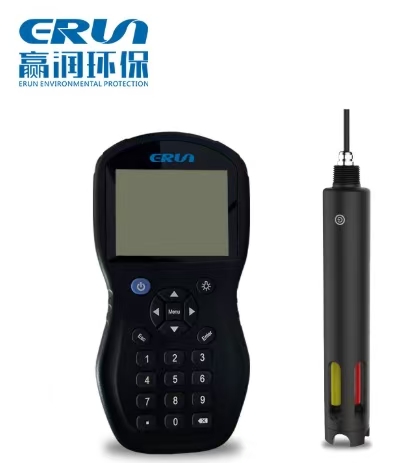
- Data Management: Some models come equipped with software that facilitates data logging, trend analysis, and remote monitoring, enabling better decision-making in managing water resources.
In summary, the detection of ammonia nitrogen in water is essential for safeguarding environmental health and managing water quality. The integration of the six national standard methods through advanced ERUN Series Water Quality Detectors offers a robust solution for accurate and efficient monitoring. Each method has its specific advantages and application scenarios, which can be effectively leveraged based on the particular needs of environmental monitoring programs, industrial applications, and public health initiatives. By utilizing these standardized approaches and technological innovations, stakeholders can ensure better water quality management and protection of aquatic ecosystems.