


Ensuring safe drinking water requires continuous monitoring of disinfectants, and chlorine detection in drinking water plays a central role in this process. In modern water treatment plants, chlorine is widely used to eliminate pathogens and maintain microbial safety throughout the distribution system. However, its concentration must be carefully controlled—too little reduces disinfection efficiency, while too much can pose health risks and affect taste. This is why accurate chlorine testing is a fundamental component of regulatory compliance and operational reliability.
Chlorine is added during water treatment as a primary disinfectant. According to international frameworks such as the Guidelines for Drinking-water Quality, the Safe Drinking Water Act (SDWA), and China’s GB 5749-2022, maintaining appropriate residual chlorine levels is critical to prevent microbial contamination during water distribution.
Residual chlorine refers to the amount of chlorine remaining in water after the initial disinfection process. It acts as a protective barrier against recontamination in pipelines. Water utilities must monitor this parameter at multiple points, including:
· Treatment plant outlets
· Storage reservoirs
· Distribution networks
Maintaining compliance with these standards ensures that water remains microbiologically safe from source to tap.
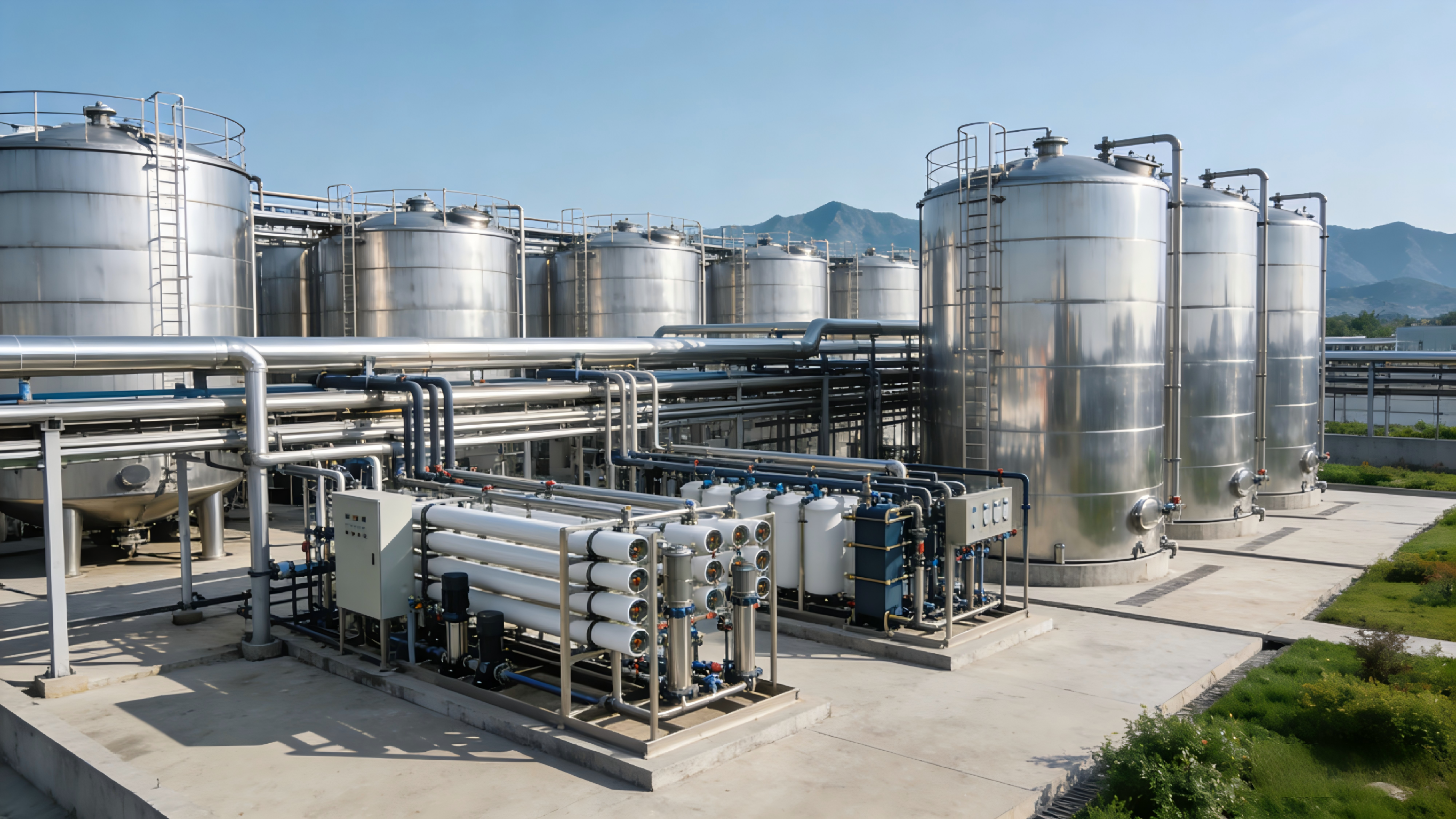
In water treatment plants, chlorine testing typically involves measuring two main forms:
Type of Chlorine | Description | Importance |
Free Chlorine | Active disinfectant (hypochlorous acid and hypochlorite ion) | Indicates immediate disinfection capability |
Total Chlorine | Free chlorine + combined chlorine (chloramines) | Reflects overall chlorine presence |
Free chlorine is more effective for disinfection, while total chlorine provides insight into byproducts and system conditions. Monitoring both helps operators optimize treatment performance.
Water treatment facilities rely on several analytical methods to detect chlorine levels accurately. Each method has its own advantages depending on the application.
The most widely used technique is the colorimetric method, particularly the DPD (N,N-diethyl-p-phenylenediamine) method. In this process:
· A reagent is added to the water sample
· Chlorine reacts with the reagent to produce a pink color
· The intensity of the color is measured using a photometer
· The concentration is calculated based on light absorption
This method is recognized by regulatory authorities, including the EPA, for its accuracy and reliability.
Electrochemical methods use sensors to detect chlorine through electrical signals generated by chemical reactions. These systems are commonly used for:
· Continuous online monitoring
· Real-time process control
They offer rapid response times and are suitable for automated systems in large-scale plants.
Advanced water treatment plants integrate online chlorine analyzers into their control systems. These systems:
· Continuously measure chlorine levels
· Transmit real-time data to control centers
· Trigger alarms when levels deviate from set thresholds
This approach enhances operational efficiency and ensures compliance with strict water quality standards.
Accurate chlorine testing depends on several environmental and operational factors:
· pH levels: Affect chlorine’s chemical form and reactivity
· Temperature: Influences reaction rates
· Turbidity: Can interfere with optical measurements
· Organic matter: May consume chlorine and alter readings
Proper calibration, standardized procedures, and high-quality instruments are essential to minimize these influences.
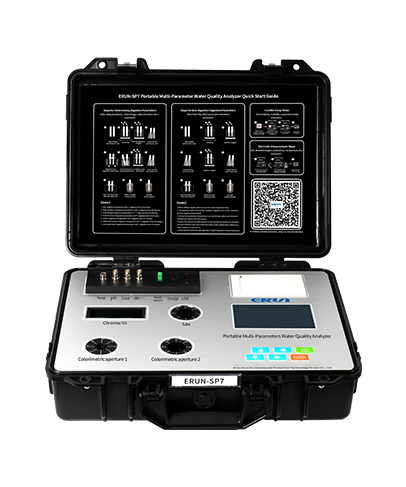
While laboratory and online systems are essential, portable devices are increasingly used for field verification and rapid testing. A reliable example is the ERUN-SP7-K6 Portable Residual Chlorine Water Quality Meter, designed for accurate on-site measurements.
This instrument uses the colorimetric method aligned with EPA standards and delivers high precision with an accuracy of ±0.01 mg/L. Its measurement range of 0.02–10.00 mg/L makes it suitable for monitoring across the entire water supply chain, from treatment plants to distribution endpoints.
With features such as:
· Automatic wavelength selection
· Large LCD interface for easy operation
· Data storage and printing capabilities
· IP65 protection for harsh environments
the device supports consistent and efficient chlorine testing in municipal, industrial, and healthcare applications. Its portability allows operators to verify chlorine levels quickly, ensuring that compliance is maintained even in remote or decentralized locations.
Chlorine testing is not only a technical process but also a regulatory requirement. Standards such as the SDWA and GB 5749-2022 define acceptable chlorine limits to balance disinfection effectiveness and public health safety. Water treatment plants must implement robust monitoring strategies that combine laboratory analysis, online systems, and portable instruments.
Accurate testing helps:
· Prevent microbial contamination
· Maintain consistent water quality
· Avoid over-chlorination and byproduct formation
· Ensure regulatory compliance
In modern water treatment operations, chlorine detection in drinking water is a critical safeguard that ensures both safety and compliance. By combining proven analytical methods, real-time monitoring technologies, and reliable portable instruments, water utilities can maintain optimal chlorine levels throughout the entire supply system. This integrated approach not only protects public health but also enhances operational efficiency in increasingly complex water management environments.