


When testing water quality, conductivity is one of the most important indicators. It reflects how well water can conduct electricity, which directly relates to the amount of dissolved ions such as salts, minerals, and chemicals.
But many users ask the same question: Is high conductivity in water good?
The answer is not straightforward. High conductivity can be beneficial in some cases, but it may also indicate contamination or poor water quality in others. Understanding the context—and having accurate testing tools—is essential for making the right decision.
Conductivity measures the ability of water to carry an electrical current. The higher the concentration of dissolved ions, the higher the conductivity.
Conductivity and Total Dissolved Solids (TDS) are closely related. While conductivity measures electrical flow, TDS represents the total amount of dissolved substances. Conductivity is often used as a fast and reliable way to estimate TDS levels.
Several factors influence conductivity:
Ion concentration (salts, minerals, chemicals)
Temperature (higher temperature increases conductivity)
Source of water (groundwater, surface water, industrial discharge)

Whether high conductivity is good or bad depends entirely on how the water is used.
In some industries, higher conductivity is actually required. For example:
Industrial processes may rely on mineral-rich water
Aquaculture systems may need specific conductivity ranges for certain species
In these cases, higher conductivity supports system performance.
For drinking water, high conductivity can be a warning sign. It may indicate:
Excess salts or minerals
Presence of pollutants or heavy metals
Poor taste and potential health risks
In such scenarios, high conductivity is undesirable.
Not necessarily. Natural water sources with high mineral content can also show high conductivity without being polluted. That’s why conductivity must always be interpreted alongside other parameters.
Drinking water: generally low to moderate conductivity
Industrial water: depends on process requirements
Environmental monitoring: varies based on ecosystem conditions
Understanding the source of high conductivity helps determine whether action is needed.
Water flowing through mineral-rich soil or rocks can dissolve ions naturally, increasing conductivity.
Industrial discharge, agricultural runoff, and wastewater can introduce chemicals and salts into water, significantly raising conductivity levels.
Regular monitoring is essential. By tracking changes over time, users can detect unusual spikes and identify potential contamination sources.
For many users, the main challenge is obtaining fast, accurate, and reliable conductivity data in different environments. Traditional methods can be slow, inconvenient, or prone to error.
The ERUN-SP8-ASC-A4 portable conductivity analyzer is designed to solve these challenges and provide a practical solution for real-world applications.
This portable device allows users to measure conductivity anytime and anywhere. Whether in the field or in industrial settings, it eliminates delays and provides immediate results for quick decision-making.
Using a proven measurement principle based on electrode plates and electrical conductivity (Ohm’s law), the analyzer delivers stable and precise readings. This helps users confidently assess water quality without uncertainty.
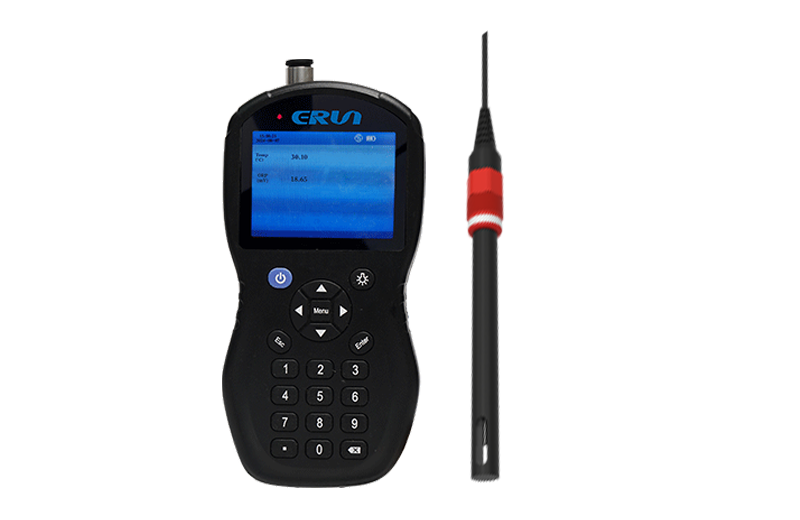
With its user-friendly design and portable structure, the device simplifies the testing process. It reduces reliance on complex procedures and minimizes human error, saving both time and labor costs.
The analyzer is suitable for a wide range of applications, including drinking water safety, industrial production, aquaculture, environmental monitoring, and scientific research. This flexibility makes it an ideal choice for businesses and professionals who need reliable water testing solutions.
So, is high conductivity in water good? The answer depends on the context. In some cases, it is beneficial, while in others, it signals potential problems.
The key is not just measuring conductivity, but understanding what the data means. With accurate testing and reliable tools, users can make informed decisions, maintain water quality, and ensure safety across different applications.