


When assessing the health of a water system, many operators rely solely on pH or chlorine levels. However, these metrics often fail to tell the whole story of a system's true sanitizing power. To fully understand if your water is safe, clean, and non-corrosive, you must ask: why is ORP important in water?
Oxidation-Reduction Potential, or redox potential, acts as the definitive "pulse check" for water safety. Whether you are managing industrial boiler water or a complex wastewater treatment plant, having an accurate, professional-grade ORP analyzer like the ERUN-SZ4-A-A2 is essential. This guide explores the critical role of ORP and how advanced water quality monitoring technology ensures your operations remain efficient and compliant.
To appreciate the practical applications of this metric, we must first understand the underlying science of how redox potential is measured.
ORP is measured in millivolts (mV) and represents the ability of a water body to either oxidize or reduce contaminants. In simpler terms, it measures the "chemical energy" available to break down organic matter. A high redox potential indicates a strong presence of oxidizing agents—the "cleaners" that neutralize bacteria and pollutants.
The values provided by your ORP analyzer give you an immediate snapshot of water health. Positive readings (e.g., +200mV to +800mV) are typically found in sanitizing environments like swimming pools or drinking water. Negative readings often signify an environment where oxidation is low, which can be ideal for specific biological processes but dangerous in a disinfection context.
Understanding why is ORP important in water is key to optimizing any modern treatment process.
In disinfection, ORP is the most reliable metric for pathogen inactivation. While chlorine levels might look sufficient on a test strip, if the ORP is low, the "kill time" for bacteria like E. coli increases significantly. The World Health Organization (WHO) recognizes an ORP level of 650mV as the standard for immediate disinfection, making real-time monitoring a vital safeguard for public health.
In wastewater management, redox potential helps operators track the breakdown of organic waste. By maintaining the correct ORP, plants can ensure that chemical additives are neutralizing toxic materials effectively before discharge, ensuring environmental protection and regulatory compliance.
Beyond health, ORP is vital for infrastructure longevity. In industrial boiler water, improper redox levels lead to rapid corrosion and scale buildup. By implementing consistent water quality monitoring, facilities can prevent the chemical "pitting" of metal surfaces, extending the life of multi-million dollar machinery.
Strategic water quality monitoring is a financial necessity for competitive industrial operations.
One of the primary reasons why is ORP important in water management is chemical efficiency. Without real-time monitoring, many facilities over-dose their systems with chlorine or ozone "just to be safe." An accurate ORP analyzer allows for precision dosing, significantly reducing chemical waste and lowering monthly operational costs.
Manual grab-sampling is labor-intensive and prone to human error. By switching to an automated solution like the ERUN-SZ4-A-A2, you remove the need for constant manual checks, allowing your technical staff to focus on high-level system optimizations rather than routine testing.
Even the most diligent operators face challenges when trying to maintain stable readings in dynamic environments.
Environmental variables are the biggest enemies of accuracy. Temperature shifts can cause redox potential readings to drift, giving operators false data that leads to incorrect chemical adjustments. This is why standard, low-cost sensors often fail in industrial applications.
Traditional sensors often suffer from electrode fouling when exposed to the heavy oils and chemical pollutants found in wastewater or biological treatment plants. This leads to frequent downtime and the constant need for expensive replacement parts.
The ERUN-SZ4-A-A2 by Erun Environmental Protection is engineered specifically to solve these industrial pain points, offering a robust solution for facilities that require high-precision real-time monitoring.
The ERUN-SZ4-A-A2 solves the problem of sensor durability. Its sensor adopts a high-performance industrial on-line electrode, specifically designed for long-term, stable work in harsh environments. This means your facility spends less time on maintenance and more time operating with reliable data.
To ensure you always have the correct answer to "why is ORP important in water," this analyzer features a built-in temperature sensor. It automatically performs temperature compensation, neutralizing the risk of measurement drift and ensuring your redox potential data is accurate regardless of the weather or process heat.
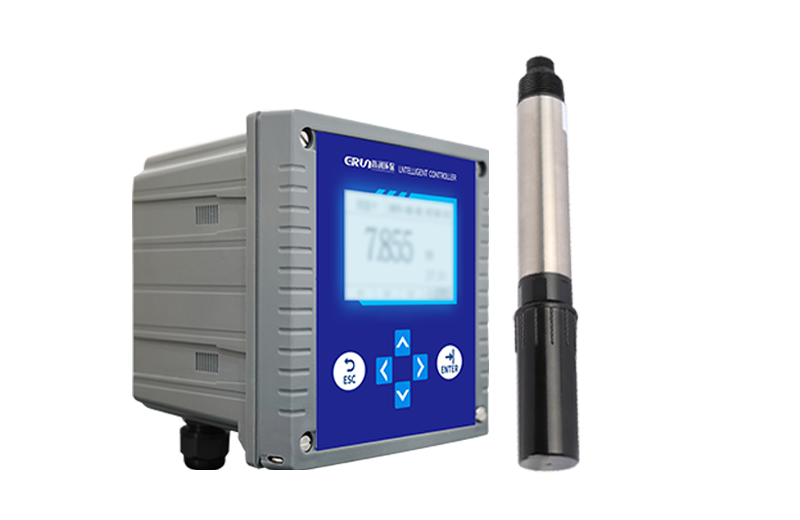
One of the biggest advantages for the customer is the ease of system integration. The ERUN-SZ4-A-A2 can realize network and system integration even without an external controller. This reduces the total cost of ownership and simplifies the installation process for chemical plants, biological labs, and wastewater facilities.
This versatile tool is designed for a wide range of professional sectors that cannot afford to compromise on water quality.
Whether you are managing the delicate redox balance in a biological reactor or overseeing the water quality in a massive chemical manufacturing plant, the ERUN-SZ4-A-A2 provides the real-time monitoring required to keep processes stable.
For industries under strict environmental scrutiny, having a continuous record of water quality monitoring is crucial. The ERUN-SZ4-A-A2 ensures you always meet local discharge standards, protecting your business from fines and legal complications.
In summary, the answer to why is ORP important in water is simple: it provides the control and clarity needed to run a safe, cost-effective, and compliant facility. By accurately measuring redox potential, you protect your equipment, your staff, and your bottom line.
Don't let inaccurate data put your system at risk. Visit erunwas.com today to explore the ERUN-SZ4-A-A2 ORP analyzer. Discover how our industrial on-line electrode technology can provide the stable, real-time monitoring your business deserves.