


For many water treatment professionals and plant managers, the millivolt (mV) reading on their controller is the most important number of the day. But a common question persists: is a higher ORP better? Oxidation-Reduction Potential, or redox potential, is a critical indicator of water health, yet the "higher is better" rule isn't always a universal truth.
Understanding these values is essential for ensuring safety in everything from municipal drinking water to complex chemical manufacturing. In this guide, we will break down the science of ORP and introduce the ERUN-SZ4-A-A2, a professional-grade ORP analyzer designed to take the guesswork out of your water quality monitoring.
Before answering if a higher ORP is superior, we must define what we are actually measuring. Redox potential measures the cleanliness of water and its ability to break down contaminants.
Essentially, ORP measures the "chemical energy" in your water. It indicates the ability of the water to oxidize (break down) organic matter and kill pathogens. When you have a higher redox potential, the water has a stronger ability to remain sanitary by neutralizing harmful bacteria and viruses.
ORP is measured in millivolts (mV). A positive reading indicates an oxidizing environment—common in swimming pools and drinking water—while a negative reading indicates a reducing environment, often found in specialized antioxidant water or certain anaerobic wastewater processes. Understanding where your system needs to fall on this scale is the first step in effective water quality monitoring.
The short answer is: it depends on your goal. However, for most industrial applications involving sanitation, a higher ORP is generally preferred.
In the world of sterilization, the answer to "is a higher ORP better" is a resounding yes. According to the World Health Organization (WHO), an ORP level of 650mV is the "gold standard" for immediate disinfection. At this level, bacteria such as E. coli are killed almost instantly. Therefore, if you are managing a cooling tower, a pool, or a potable water system, maintaining a higher ORP ensures that your sanitizers (like chlorine) are working efficiently.
While high values are great for killing germs, they are not always ideal. In certain chemical manufacturing or boiler water applications, an overly high redox potential can lead to unwanted oxidation of expensive equipment. In these cases, "better" means "stable and within a specific range," rather than simply "high."
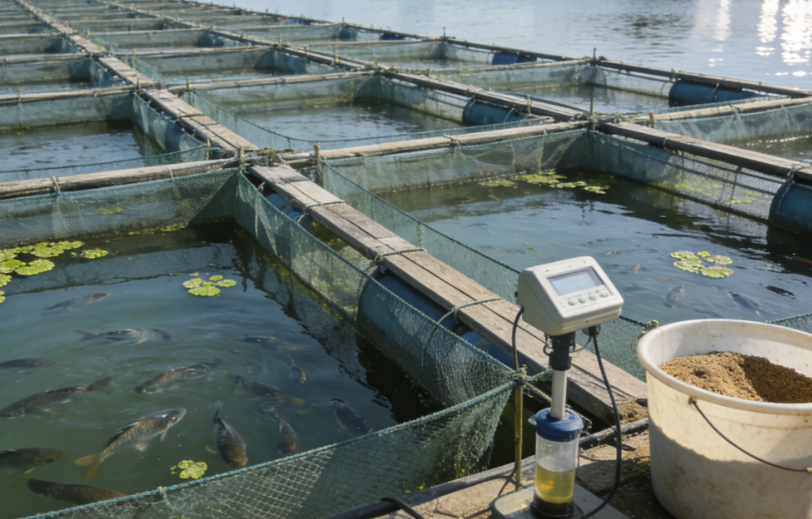
For industrial operations, maintaining the correct redox potential is a matter of both safety and regulatory compliance.
A high ORP reading acts as a real-time insurance policy. If your ORP analyzer shows a drop in mV, it tells you immediately that your disinfectant is being depleted, even if the pH remains steady. This allows for immediate correction before pathogens like Legionella can take hold.
In boiler systems, managing the redox potential is about balance. By using real-time ORP monitoring, engineers can ensure that oxygen levels are low enough to prevent corrosion but high enough to maintain protective oxide layers on metal surfaces.
The biggest frustration for site managers is not knowing if their reading is accurate. If you are asking "is a higher ORP better" while looking at a fluctuating screen, you cannot make informed decisions.
Temperature is the primary enemy of accuracy. As water temperature changes, the chemical activity shifts, often leading to "ghost" readings that don't reflect the true state of the water. This can lead to the dangerous over-dosage of chemicals.
Manual grab-sampling only gives you a snapshot in time. To truly manage your system, you need real-time ORP monitoring that can handle industrial rigors without constant human intervention.
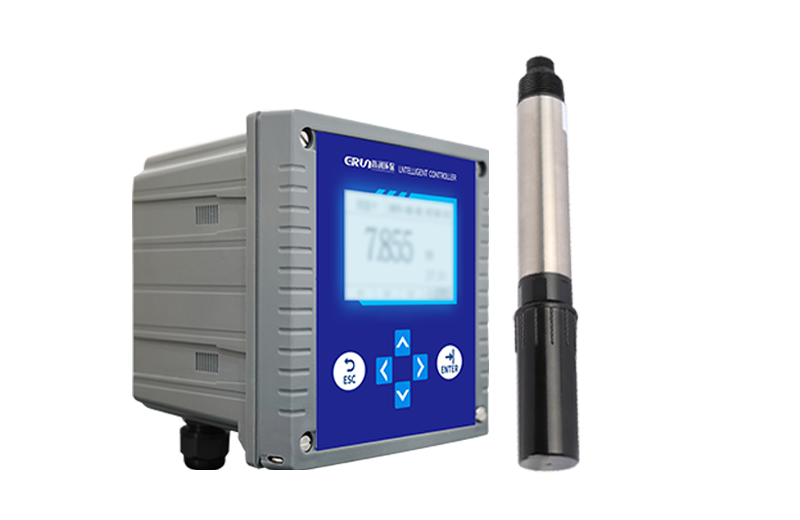
If you need to know exactly where your levels stand, the ERUN-SZ4-A-A2 real-time on-line water quality ORP analyzer provides the precision and reliability that modern industry demands.
The ERUN-SZ4-A-A2 solves the problem of frequent maintenance. Its sensor adopts a high-performance industrial on-line electrode, built specifically for long-term, stable monitoring. This means your team spends less time recalibrating sensors in harsh environments like wastewater treatment or chemical processing plants and more time focusing on production.
One of the most significant advantages for customers is the built-in temperature sensor. It automatically carries out temperature compensation, ensuring that your answer to "is a higher ORP better" is always based on accurate, adjusted data. Furthermore, the ERUN-SZ4-A-A2 allows for easy network and system integration even without a separate controller, significantly reducing your installation costs and technical complexity.
Owning a high-quality ORP analyzer is only the first step; using the data correctly is the second.
To ensure the ERUN-SZ4-A-A2 continues to provide peak performance, the industrial on-line electrode should be kept clear of heavy scaling. Because the unit is designed for industrial use, a simple periodic check is usually all that is required to maintain its high-precision output.
By integrating real-time ORP monitoring into your biological or chemical treatment process, you can automate your chemical dosing pumps. This ensures you never waste money on excess chemicals while always maintaining the safety levels required by law.
In conclusion, while a higher ORP is generally "better" for disinfection and water safety, the most important factor is consistency and accuracy. You cannot manage what you cannot measure reliably.
Whether you are working in wastewater treatment, chemical processing, or boiler water management, the ERUN-SZ4-A-A2 provides the stable, real-time data you need to keep your systems running at peak efficiency. Visit erunwas.com today to learn more about how our water quality monitoring solutions can protect your infrastructure and optimize your operations.