


When you notice cloudy or murky water, the first question that comes to mind is simple: is turbidity in water harmful? The answer is not always straightforward, but in many cases, the risks are real and should not be ignored.
Turbidity is more than just an aesthetic issue. It can signal deeper problems in water quality, including contamination and reduced treatment efficiency. Whether you are managing drinking water, industrial systems, or aquaculture environments, understanding turbidity is essential—and so is knowing how to test it accurately.
Turbidity refers to the cloudiness or haziness of water caused by suspended particles. These particles can include silt, clay, algae, organic matter, and microorganisms. Turbidity is typically measured in NTU (Nephelometric Turbidity Units), which indicate how much light is scattered by particles in the water.
There are both natural and human-related causes of turbidity. Natural sources include soil erosion, stormwater runoff, and algae growth. On the other hand, human activities such as industrial discharge, wastewater release, and construction can significantly increase turbidity levels.
Turbidity measures suspended solids, while Total Dissolved Solids (TDS) and conductivity measure dissolved substances like salts and minerals. In simple terms, turbidity shows what you can “see” in water, while conductivity reveals what is dissolved but invisible. Both are essential for a complete water quality assessment.
Yes, turbid water can pose health risks. Suspended particles often act as carriers for harmful microorganisms such as bacteria, viruses, and parasites. These particles can also shield pathogens from disinfection processes like chlorination, making treatment less effective.
High turbidity in drinking water increases the likelihood of waterborne diseases. Common risks include gastrointestinal illnesses caused by pathogens such as E. coli or Giardia. This is especially concerning in areas where water treatment systems are not well maintained.
Not all turbidity levels are dangerous. According to common guidelines, drinking water turbidity should generally remain below 5 NTU, with lower levels preferred for safety. However, even slight turbidity can indicate underlying contamination, so regular monitoring is crucial.

Turbidity doesn’t only affect human health—it also has significant impacts on industrial operations and ecosystems.
In drinking water systems, high turbidity reduces the effectiveness of disinfectants, making water treatment less reliable. In industrial settings, suspended particles can lead to scaling, clogging, and corrosion, which damage equipment and increase maintenance costs.
From an environmental perspective, turbid water blocks sunlight from penetrating aquatic ecosystems. This disrupts photosynthesis in plants and reduces oxygen levels, harming fish and other aquatic life.
For users who need reliable, on-site testing, the ERUN-SP8-ASC-A4 portable conductivity analyzer offers a practical solution. Instead of relying on guesswork or incomplete data, this device allows you to quickly assess the dissolved content in water—an essential complement to turbidity testing.
Many users face challenges such as inconsistent water quality, lack of real-time data, or difficulty testing in the field. This portable analyzer addresses those issues directly:
It enables fast, accurate measurements without requiring a laboratory
It helps detect hidden contamination that turbidity alone cannot reveal
It supports decision-making for water treatment and system maintenance
The device works by placing two parallel electrodes into the water and applying a voltage. By measuring the resulting current, it calculates conductivity based on Ohm’s law. This method ensures reliable and repeatable results.
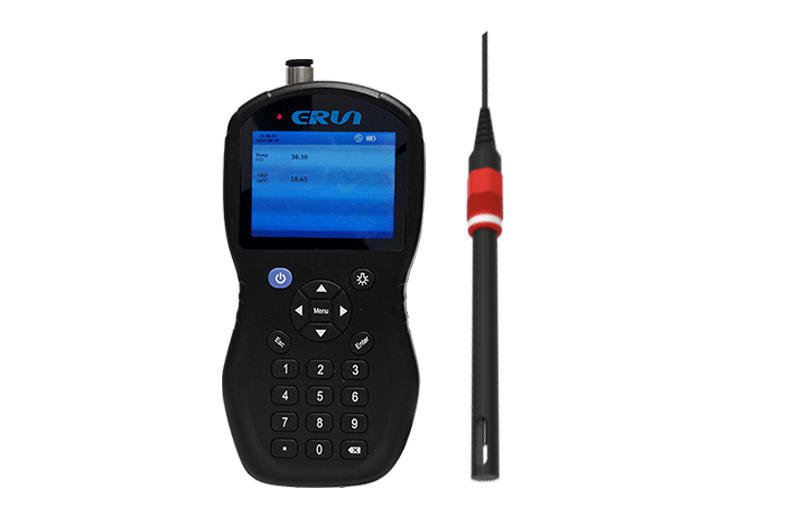
Whether you are responsible for drinking water safety, managing aquaculture systems, or overseeing industrial processes, this analyzer adapts to your needs. Its portability makes it especially useful for fieldwork, environmental monitoring, and on-site inspections.
So, is turbidity in water harmful? In many cases, yes—especially when levels are high or linked to contamination. It can affect health, reduce treatment efficiency, and damage equipment.
The key is not just identifying turbidity, but understanding the full picture of water quality. By combining turbidity and conductivity testing, you can make more informed decisions and ensure safer, cleaner water.