


Water quality is a critical factor in environmental safety, industrial efficiency, and public health. Among the many parameters used to evaluate water, dissolved oxygen (DO) stands out as one of the most important. Many professionals and users often ask: what is the importance of dissolved oxygen in water?
Dissolved oxygen plays a vital role in maintaining ecological balance, supporting biological processes, and ensuring the effectiveness of water treatment systems. Without proper oxygen levels, water can quickly become unsafe or inefficient for its intended use.
In this article, we will explore the significance of dissolved oxygen, the factors that influence it, and how accurate dissolved oxygen measurement supports reliable water quality monitoring.
Dissolved oxygen refers to the amount of oxygen gas present in water. It is typically measured in milligrams per liter (mg/L) or parts per million (ppm), and sometimes expressed as a percentage of saturation.
Oxygen enters water through natural processes such as diffusion from the air and photosynthesis by aquatic plants. It is essential for the survival of fish, microorganisms, and other aquatic life.
In addition to environmental systems, dissolved oxygen is also important in industrial and drinking water applications. Monitoring dissolved oxygen levels helps ensure that water remains safe, stable, and suitable for use.
Understanding what is the importance of dissolved oxygen in water requires looking at its role across different applications.
First, dissolved oxygen is essential for aquatic life. Fish and other organisms rely on oxygen to survive. When oxygen levels drop, it can lead to stress, reduced growth, or even death of aquatic species.
Second, dissolved oxygen is a key indicator of water quality. Low DO levels often signal pollution, excessive organic matter, or poor water circulation. In contrast, balanced oxygen levels usually indicate healthier water conditions.
Third, DO plays a critical role in biological treatment processes. In wastewater treatment systems, microorganisms require oxygen to break down organic pollutants. Without sufficient oxygen, treatment efficiency decreases significantly.
Fourth, dissolved oxygen affects drinking water quality. While it does not directly harm human health, it influences taste and odor, and reflects the overall condition of the water system.
Finally, in industrial applications, DO levels impact system performance. High oxygen levels may accelerate corrosion, while low levels can affect chemical processes and equipment efficiency.
Overall, the importance of dissolved oxygen lies in its ability to reflect and influence the health, safety, and performance of water systems.
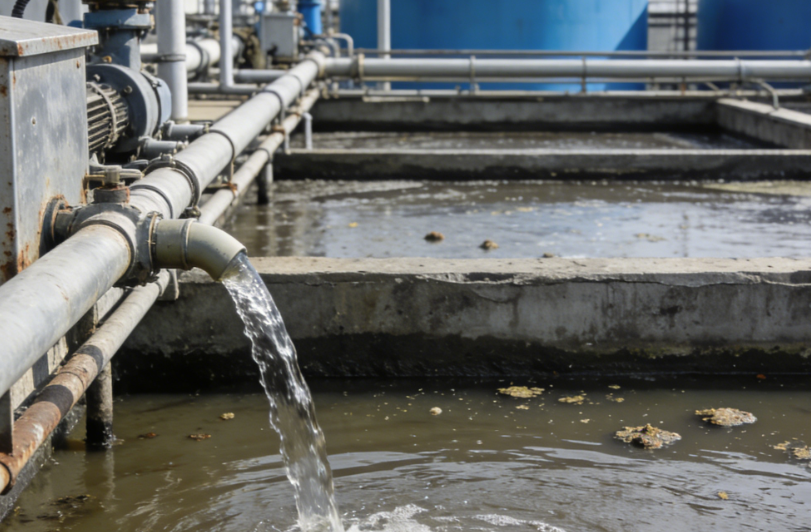
Maintaining proper dissolved oxygen levels is essential because both extremes can cause problems.
Low dissolved oxygen levels are often associated with pollution and high organic content. When oxygen is depleted, aquatic organisms struggle to survive, and water treatment processes become less effective. It may also lead to unpleasant odors due to anaerobic conditions.
On the other hand, excessively high dissolved oxygen levels can also create issues. Supersaturation may harm aquatic organisms, and in industrial systems, high oxygen levels can increase the risk of corrosion in pipelines and equipment.
Therefore, achieving a balanced DO level is crucial for maintaining stable and efficient water systems.
For users seeking a reliable way to monitor dissolved oxygen in water, the ERUN-SP7-A5 DO meter provides a practical and efficient solution.
This device is designed to deliver stable and accurate dissolved oxygen measurement, helping users quickly understand oxygen levels and make informed decisions. It measures oxygen concentration (mg/L or ppm), oxygen saturation (%), and temperature, offering a complete view of water conditions.
One of its key advantages is convenience. With one-hand operation and a user-friendly interface, it allows users to perform testing quickly and efficiently, even in field environments.
The ERUN-SP7-A5 is widely used in industrial wastewater discharge, boiler water systems, drinking water testing, and industrial water monitoring.
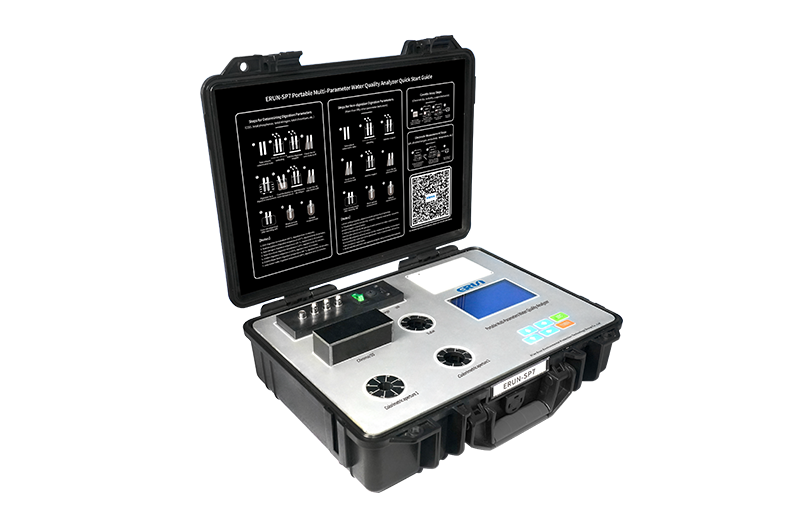
More importantly, it solves real customer challenges. It enables real-time water quality monitoring, reduces reliance on laboratory testing, and helps maintain optimal DO levels. This improves operational efficiency, minimizes risks, and ensures compliance with water quality standards.
Understanding what is the importance of dissolved oxygen in water is essential for effective water management. Dissolved oxygen plays a key role in supporting life, maintaining water quality, and ensuring efficient industrial processes.
Water quality is a critical factor in environmental safety, industrial efficiency, and public health.
Maintaining balanced dissolved oxygen levels requires accurate and consistent monitoring. This is where reliable tools become indispensable.
With advanced solutions like the ERUN-SP7-A5 DO meter, users can perform precise dissolved oxygen measurement, improve decision-making, and ensure effective water quality monitoring across a wide range of applications.