


Dissolved oxygen (DO) is one of the most important indicators of water quality. Whether in drinking water systems, industrial processes, or environmental monitoring, maintaining the right oxygen level is essential. Many people often ask: is high or low dissolved oxygen better?
The answer is not as simple as choosing one over the other. Both excessively high and low dissolved oxygen levels can create problems. Understanding the balance—and how to measure it accurately—is key to ensuring safe and efficient water systems.
In this guide, we will explain what dissolved oxygen is, how it affects water quality, and how to maintain optimal levels through reliable dissolved oxygen measurement.
When it comes to dissolved oxygen levels, balance is everything. Neither extremely high nor extremely low DO levels are ideal.
In most applications, a moderate range—typically around 5 to 8 mg/L—is considered optimal. However, the ideal level can vary depending on the specific use case.
Higher dissolved oxygen levels are generally beneficial in many situations. For example, in aquaculture and natural ecosystems, higher DO supports aquatic life and promotes healthier biological activity. In wastewater treatment, sufficient oxygen is necessary for microorganisms to break down organic matter effectively.
However, excessively high DO levels can also cause issues. Supersaturation may lead to gas bubble formation in aquatic organisms, and in industrial systems, it can accelerate corrosion of pipes and equipment.
On the other hand, low dissolved oxygen levels are often a warning sign. They may indicate pollution, high organic content, or poor water circulation. Low DO can harm aquatic life, reduce treatment efficiency, and lead to unpleasant odors.
So, is high or low dissolved oxygen better? The answer is clear: maintaining the right balance is more important than simply aiming for higher or lower levels.
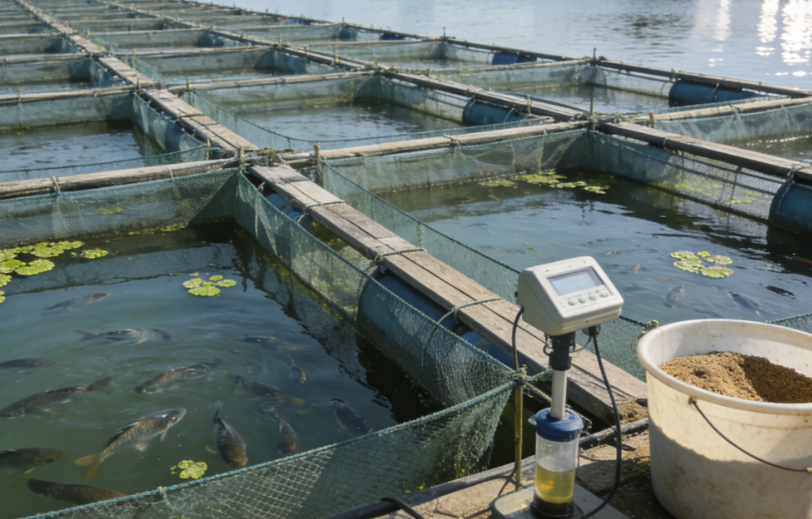
Several environmental and operational factors influence DO levels in water.
Temperature is one of the most significant factors. Warmer water holds less oxygen, while colder water can retain more.
Salinity and pressure also play a role. Higher salinity reduces oxygen solubility, while increased pressure can enhance it.
Organic matter and pollution levels directly impact DO. When organic materials decompose, they consume oxygen, leading to lower levels.
Water movement is another key factor. Flowing or aerated water tends to have higher oxygen levels compared to stagnant water.
Understanding these factors helps users better control and optimize water quality monitoring processes.
Monitoring dissolved oxygen is critical for maintaining safe and efficient water systems.
In drinking water applications, DO levels can influence taste, odor, and overall quality. In industrial systems, maintaining proper oxygen levels helps prevent equipment damage and ensures efficient operation.
In wastewater treatment, DO is essential for biological processes that remove contaminants. Without sufficient oxygen, treatment efficiency drops significantly.
Environmental monitoring also relies heavily on DO data. It helps assess ecosystem health and detect pollution.
Accurate and continuous dissolved oxygen measurement allows users to identify issues early and take corrective action.
For users looking to accurately determine dissolved oxygen levels, the ERUN-SP7-A5 DO meter offers a reliable and efficient solution.
This device is designed to provide stable and precise dissolved oxygen measurement, helping users quickly assess whether oxygen levels are within the optimal range. It measures oxygen concentration in mg/L or ppm, as well as oxygen saturation (%) and temperature, giving a complete picture of water conditions.
One of its key advantages is ease of use. With one-hand operation and a user-friendly interface, it allows operators to perform testing quickly in both field and industrial environments.
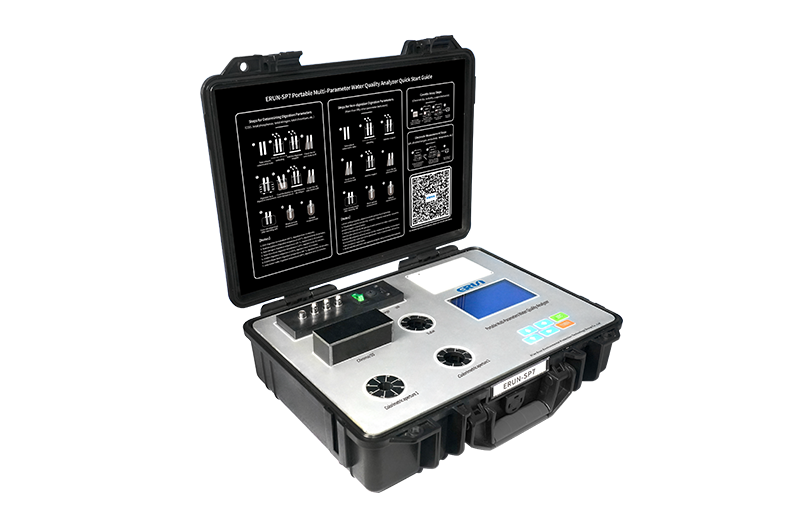
The ERUN-SP7-A5 is widely applicable across multiple scenarios, including industrial wastewater discharge, boiler water systems, drinking water testing, and general industrial water monitoring.
More importantly, it directly addresses customer needs. It enables real-time water quality monitoring, reduces reliance on laboratory testing, and helps users make faster, data-driven decisions. By maintaining proper DO levels, users can improve system efficiency, prevent equipment damage, and ensure compliance with water standards.
Understanding is high or low dissolved oxygen better is essential for effective water management. The key is not choosing extremes but maintaining the right balance based on specific applications.
Accurate dissolved oxygen measurement plays a crucial role in achieving this balance. It helps ensure water safety, optimize processes, and protect both equipment and the environment.
With reliable tools like the ERUN-SP7-A5 DO meter, users can confidently monitor and control DO levels, ensuring efficient and compliant water quality monitoring across all applications.