


Ensuring water clarity is essential for safe drinking water, effective wastewater treatment, and reliable industrial processes. One of the key indicators of water quality is turbidity, which reflects the presence of suspended particles in water. Understanding how to test turbidity of water is crucial for detecting contamination and maintaining compliance with water standards.
Turbidity affects not only the appearance of water but also its safety. High turbidity levels may indicate the presence of harmful microorganisms or pollutants. Therefore, accurate turbidity measurement plays a critical role in modern water quality monitoring.
In this guide, we will explore different testing methods, practical steps, and professional solutions to help you measure turbidity effectively.
There are several methods available for measuring turbidity, ranging from simple visual checks to advanced digital instruments.
The most basic method is visual inspection. While it is quick and requires no equipment, it is highly subjective and cannot provide accurate results. It is only suitable for rough estimation.
Another low-cost option is the turbidity tube method. This involves observing water clarity through a marked tube. Although more structured than visual inspection, it still lacks precision and is not suitable for professional use.
The nephelometric method is the industry standard for turbidity measurement. It works by measuring how light is scattered by particles in water, providing accurate NTU values.
For the most reliable results, digital turbidity meters are widely used. These instruments offer fast, precise readings and are ideal for applications such as drinking water testing, wastewater monitoring, and industrial water analysis.
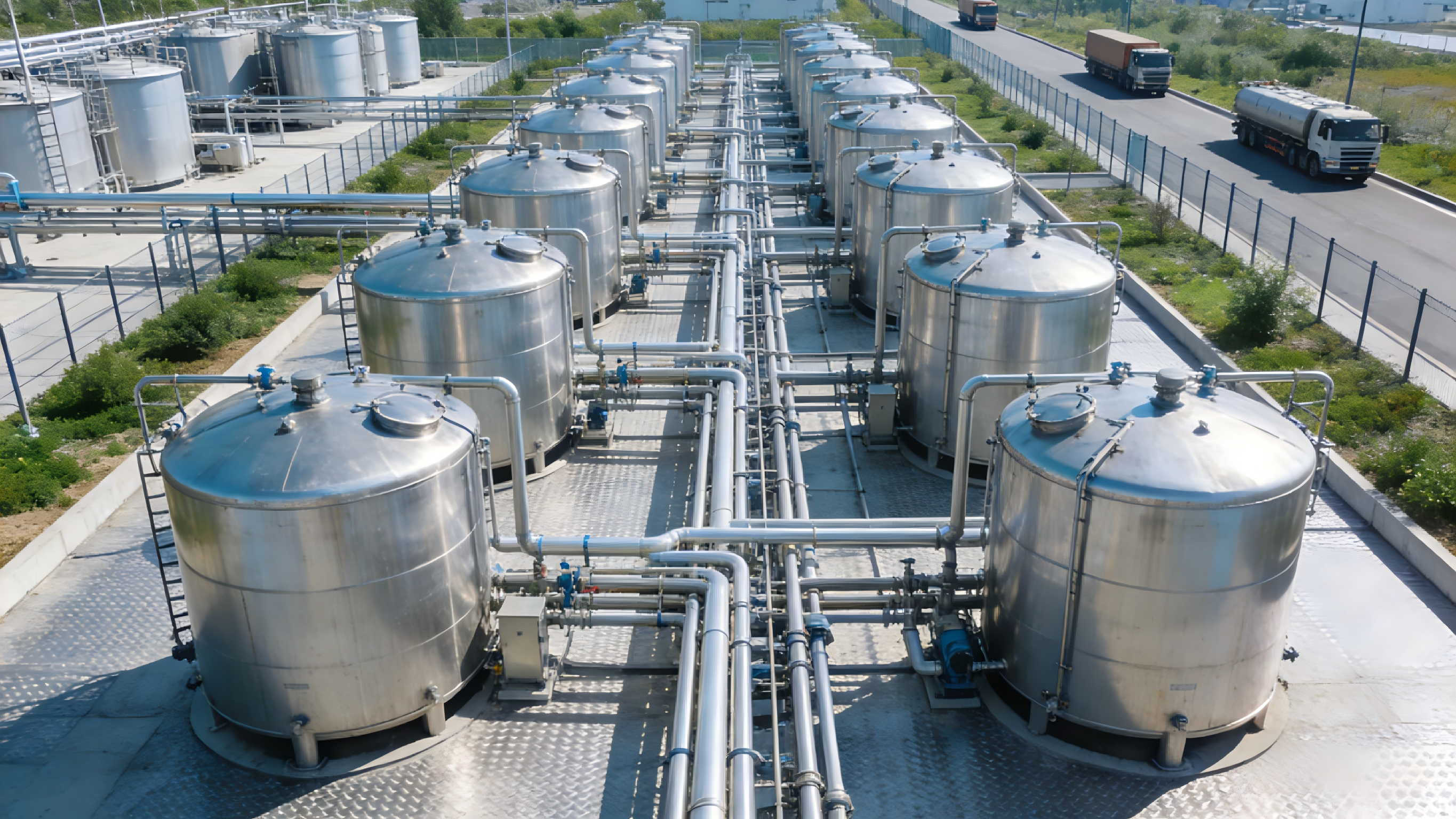
Testing turbidity with a meter is straightforward when following the correct steps.
First, prepare a clean water sample. Use a contamination-free container to ensure accurate results.
Next, calibrate the turbidity meter according to the manufacturer’s instructions. Calibration is essential for maintaining measurement accuracy.
Then, place the sample into the instrument and initiate the test. The device will quickly display the turbidity value in NTU.
Finally, interpret the results by comparing them with relevant standards. For example, drinking water typically requires very low turbidity levels.
Following these steps ensures consistent and reliable turbidity measurement.
Accurate results depend on proper testing conditions and procedures.
Sample handling is critical. Contaminated or improperly stored samples can lead to incorrect readings. Always use clean containers and test samples promptly.
Calibration is another key factor. If the instrument is not properly calibrated, measurement errors may occur.
Environmental conditions such as lighting and temperature can also influence results. Minimizing external interference helps improve accuracy.
By controlling these factors, users can enhance the reliability of their water quality monitoring processes.
For professionals looking for a reliable way to understand how to test turbidity of water, the ERUN-SP7-T4 turbidity meter offers a practical and efficient solution.
This instrument is designed to provide stable and accurate turbidity measurement, helping users obtain reliable data without complicated procedures. With a measurement range of 0–400 NTU, it is suitable for a wide range of applications, from drinking water testing to industrial wastewater monitoring.
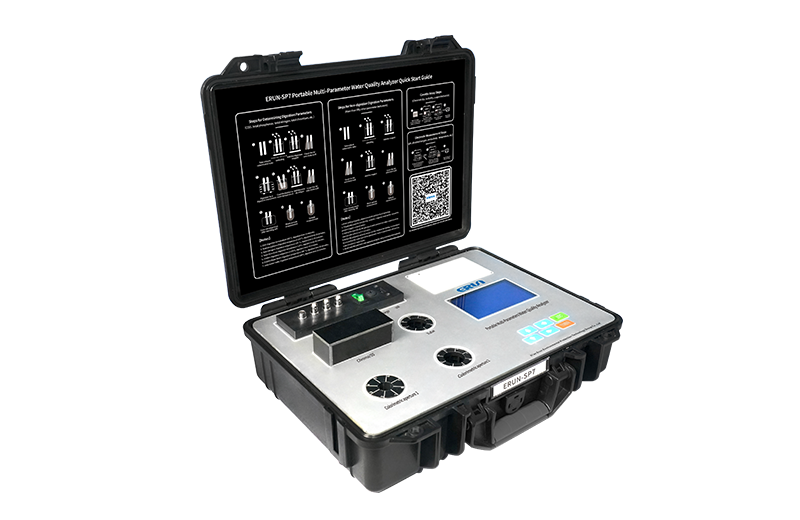
One of the key benefits of this device is its ease of use. Operators can quickly perform tests on-site, reducing the need for laboratory analysis. This is especially valuable for organizations that require frequent and rapid water quality monitoring.
The built-in printing function allows users to record results instantly, supporting documentation and compliance requirements.
More importantly, the ERUN-SP7-T4 addresses real customer needs. It helps detect turbidity issues early, improves decision-making in water treatment processes, and ensures that water meets safety standards.
Whether used in municipal systems, industrial facilities, or environmental projects, this portable turbidity meter provides a reliable solution for efficient water testing.
Learning how to test turbidity of water is essential for ensuring safe and clean water across various applications. From simple methods to advanced instruments, different approaches offer different levels of accuracy.
However, for reliable results, professional turbidity measurement tools are the best choice. They provide precise data, support compliance, and improve efficiency in water quality monitoring.
The ERUN-SP7-T4 turbidity meter stands out as a practical solution, helping users quickly detect turbidity issues and maintain high water quality standards.