


Clean drinking water is essential for public health and daily life. However, in many regions, water clarity issues remain a major concern. One of the most common problems is high turbidity in drinking water, which not only affects appearance but may also indicate deeper contamination risks.
Turbidity refers to the cloudiness or haziness of water caused by suspended particles such as silt, clay, organic matter, and microorganisms. When turbidity levels rise, water becomes less transparent and potentially unsafe.
Understanding the causes, risks, and solutions for high turbidity in drinking water is critical. With proper water quality monitoring and accurate testing tools, users can identify issues early and ensure water safety.
To fully understand high turbidity in drinking water, it is important to know how turbidity is defined and measured.
Turbidity is caused by tiny particles suspended in water that scatter light, making the water appear cloudy. These particles may include soil, algae, bacteria, or organic debris.
Turbidity is typically measured in NTU (Nephelometric Turbidity Units). In drinking water systems, regulatory standards usually require turbidity levels to remain very low, often below 1 NTU, to ensure safety and clarity.
When turbidity levels rise above acceptable limits, it often signals the presence of contamination. More importantly, suspended particles can protect harmful microorganisms from disinfection processes, making water treatment less effective.
Therefore, detecting and controlling high turbidity in drinking water is a key part of maintaining safe water systems.
While turbidity itself is not always harmful, it often indicates underlying health risks.
High turbidity levels can be associated with microbial contamination. Bacteria, viruses, and parasites may attach to suspended particles, increasing the risk of waterborne diseases.
Another major concern is the reduced effectiveness of disinfection. When particles are present, they can shield microorganisms from chlorine or other disinfectants, allowing harmful pathogens to survive.
In addition, turbid water often has an unpleasant appearance, taste, or odor, which reduces public confidence in water safety.
For these reasons, continuous turbidity measurement is essential to ensure drinking water meets health standards.
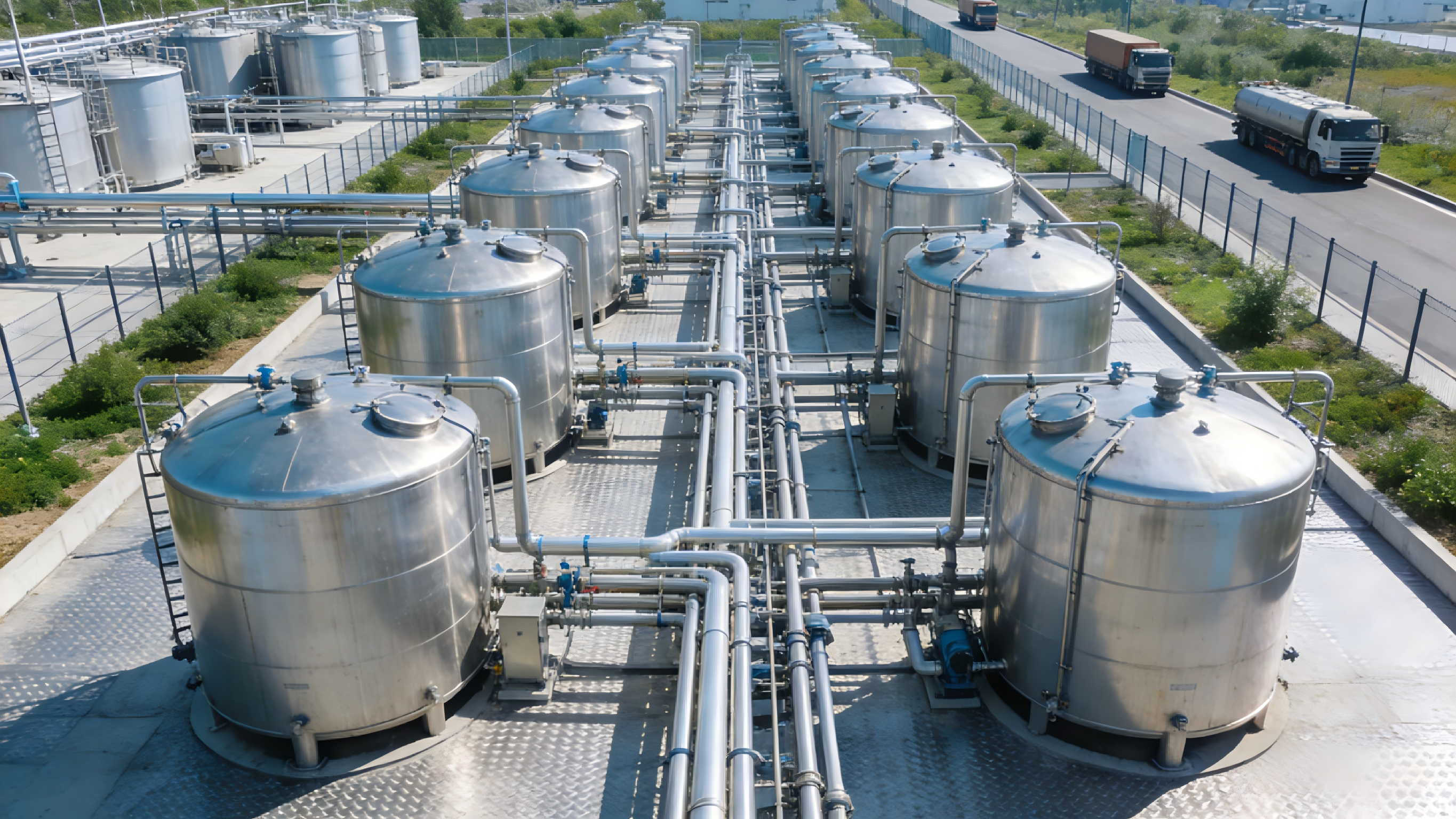
Controlling turbidity requires a combination of treatment methods and monitoring strategies.
Filtration is one of the most effective solutions. Physical filters can remove suspended particles and improve water clarity. Sedimentation processes also allow heavier particles to settle before further treatment.
Coagulation and flocculation are widely used in water treatment plants. These processes add chemicals that bind small particles together, making them easier to remove.
However, treatment alone is not enough. Regular water quality monitoring ensures that turbidity levels remain within safe limits and helps detect any sudden changes in water conditions.
For professionals responsible for maintaining water clarity, having accurate and reliable testing equipment is crucial.
The ERUN-SP7-T4 portable water turbidity meter is designed to provide stable and precise turbidity measurement for a wide range of applications. With a measurement range of 0–400 NTU, it meets the needs of drinking water testing, industrial water analysis, and environmental monitoring.
One of the key advantages of this device is its ease of use. Operators can quickly measure high turbidity in drinking water without complex procedures, making it ideal for both field and laboratory environments.
The built-in printing function allows users to record and manage data efficiently, supporting compliance and reporting requirements.
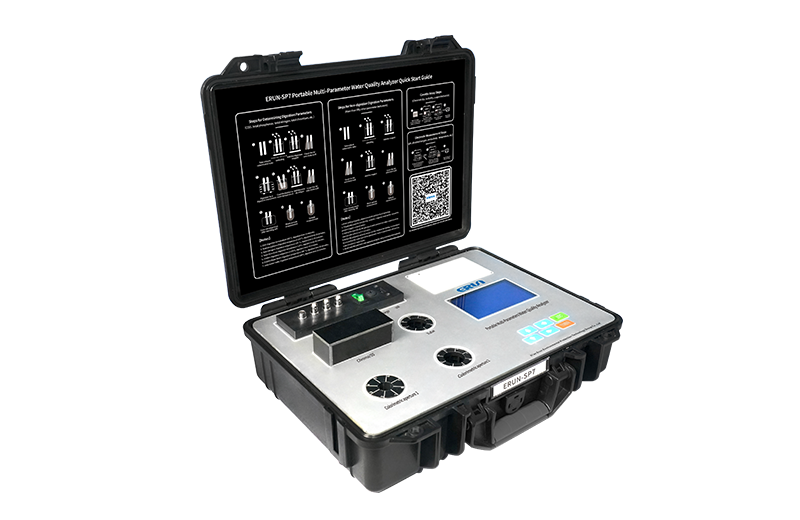
More importantly, the ERUN-SP7-T4 helps users solve real-world challenges. It enables early detection of turbidity issues, improves decision-making in water treatment processes, and ensures that water meets safety standards.
Whether used in municipal water systems, industrial facilities, or environmental monitoring projects, this portable turbidity meter provides a reliable solution for effective water quality monitoring.
The issue of high turbidity in drinking water is more than just a visual concern—it is closely linked to water safety and public health. Understanding its causes and risks allows organizations to take proactive steps in water management.
Through proper turbidity measurement and continuous water quality monitoring, it is possible to detect problems early and maintain safe water conditions.
Advanced tools like the ERUN-SP7-T4 turbidity meter provide effective solutions for accurate testing and reliable monitoring, helping users ensure clean, safe, and compliant drinking water.