


Water safety has become an important concern for households, businesses, and environmental organizations around the world. Many people rely on testing tools to evaluate whether their water is safe to drink. However, a common question often arises: do drinking water testers work?
The short answer is yes—drinking water testers can provide reliable information about water quality when they are properly designed and used. These devices analyze different chemical and physical characteristics of water to determine whether the water meets acceptable standards.
Understanding how these devices work and what they can measure helps users select the right drinking water testing equipment for their needs.
To answer the question do drinking water testers work, it is important to understand the scientific principles behind water testing devices.
Most drinking water testers use sensors or optical detection methods to measure specific water quality parameters. These sensors react to chemical or electrical properties in water, allowing the instrument to calculate the concentration of certain substances or indicators.
For example, pH sensors detect the acidity or alkalinity of water. Conductivity sensors measure the presence of dissolved ions, while TDS measurements estimate the total amount of dissolved solids in water. Dissolved oxygen sensors analyze oxygen concentration, which can indicate water freshness and biological activity.
These measurements help determine whether water meets acceptable drinking water quality standards. Because these parameters directly reflect the chemical and physical conditions of water, modern water quality testers can provide meaningful insights into water safety.
When high-quality sensors and proper calibration are used, professional instruments can deliver accurate and consistent results for water quality monitoring.
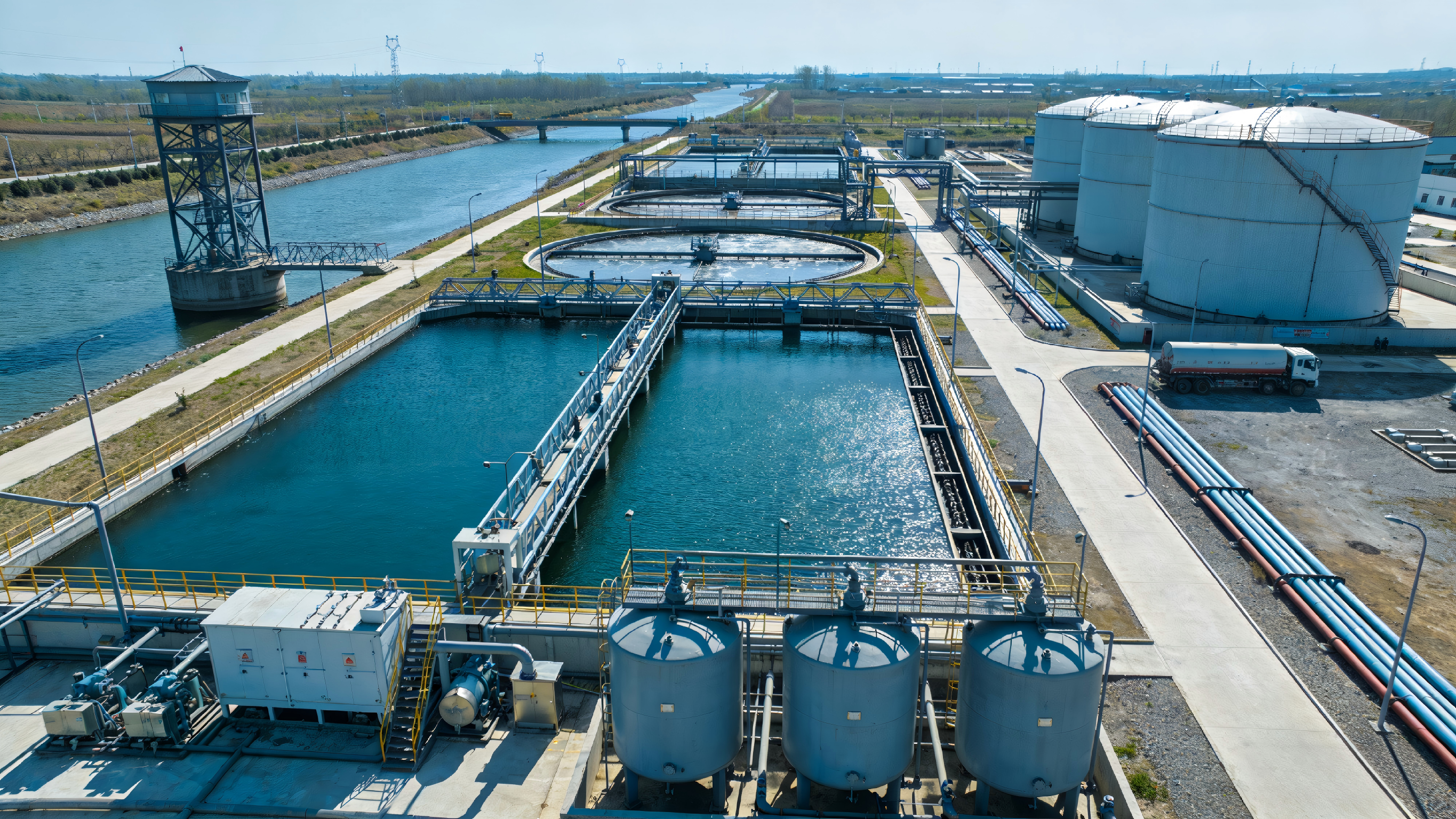
To address the limitations of basic testing devices, professional multi-parameter instruments provide a more comprehensive approach to drinking water testing.
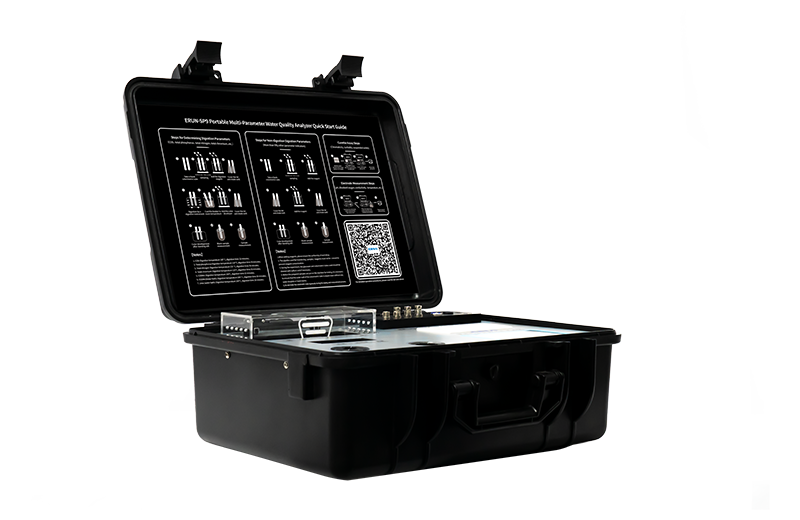
The ERUN-SP9 portable water quality tester is designed to help professionals evaluate water safety quickly and accurately in both laboratory and field environments. By integrating advanced optical detection technology with electrode measurement methods, the instrument can analyze multiple water quality parameters within a single system.
The device features a 16-channel optical design that allows detection of more than 60 water quality indicators. At the same time, electrode-based sensors provide accurate measurement of key parameters such as pH, conductivity, total dissolved solids, salinity, dissolved oxygen, and water temperature.
This flexibility allows users to configure the testing parameters according to their monitoring needs. Environmental monitoring agencies, research institutions, and water treatment facilities can customize the system to focus on the indicators most relevant to their applications.
The ERUN-SP9 is also designed for practical field use. It integrates a dual temperature-controlled dissolver to support reliable chemical analysis, while its high-capacity lithium battery allows operation without external power supply. This makes the instrument particularly suitable for remote monitoring locations where traditional laboratory equipment cannot be easily used.
Professional testing instruments are especially important in situations where water safety must be monitored consistently and accurately.
Water treatment plants use testing equipment to evaluate treatment processes and ensure compliance with regulatory standards. Environmental monitoring agencies rely on these tools to assess natural water sources and detect pollution. Research institutions and universities also use advanced water quality testing devices to study environmental changes and water chemistry.
In these scenarios, reliable multi-parameter testers provide the data necessary for informed decision-making and long-term water management.
So, do drinking water testers work? The answer is yes. When properly designed and used, these devices provide valuable information about the chemical and physical characteristics of water.
Simple testers can be useful for basic screening, but more advanced instruments are needed for accurate and comprehensive analysis. Professional devices such as the ERUN-SP9 portable water quality tester offer an effective solution for reliable water quality monitoring.
By enabling rapid measurement of multiple water quality parameters, modern testing instruments help organizations protect drinking water safety, detect potential contamination early, and maintain high standards of water quality management