


Access to safe drinking water is essential for human health and environmental sustainability. However, determining whether water is safe to drink requires more than simply observing its appearance. Many harmful substances in water are invisible and cannot be detected without proper analysis. For this reason, understanding what is good drinking water quality is critical for water treatment facilities, environmental monitoring agencies, and organizations responsible for water safety.
Good drinking water should meet specific physical, chemical, and biological standards that ensure it is safe for human consumption. These standards are commonly defined by international and national guidelines. To verify whether water meets these requirements, reliable drinking water testing and continuous water quality monitoring are necessary.
To understand what is good drinking water quality, it is important to consider several key characteristics that define safe water.
First, high-quality drinking water should be clear, colorless, and free from unpleasant odor or taste. Turbidity and unusual color often indicate the presence of suspended particles or contaminants that may affect water safety.
Second, water must meet appropriate drinking water quality standards for chemical composition. Certain minerals naturally occur in water, but excessive concentrations can cause health problems or affect water taste. Important chemical parameters include pH balance, total dissolved solids, and conductivity.
Third, good drinking water must be free from harmful microorganisms and pathogens. Proper treatment and monitoring help ensure that bacteria, viruses, and other biological contaminants are effectively controlled.
Because many of these factors cannot be detected visually, accurate water quality monitoring plays a key role in maintaining safe drinking water systems.
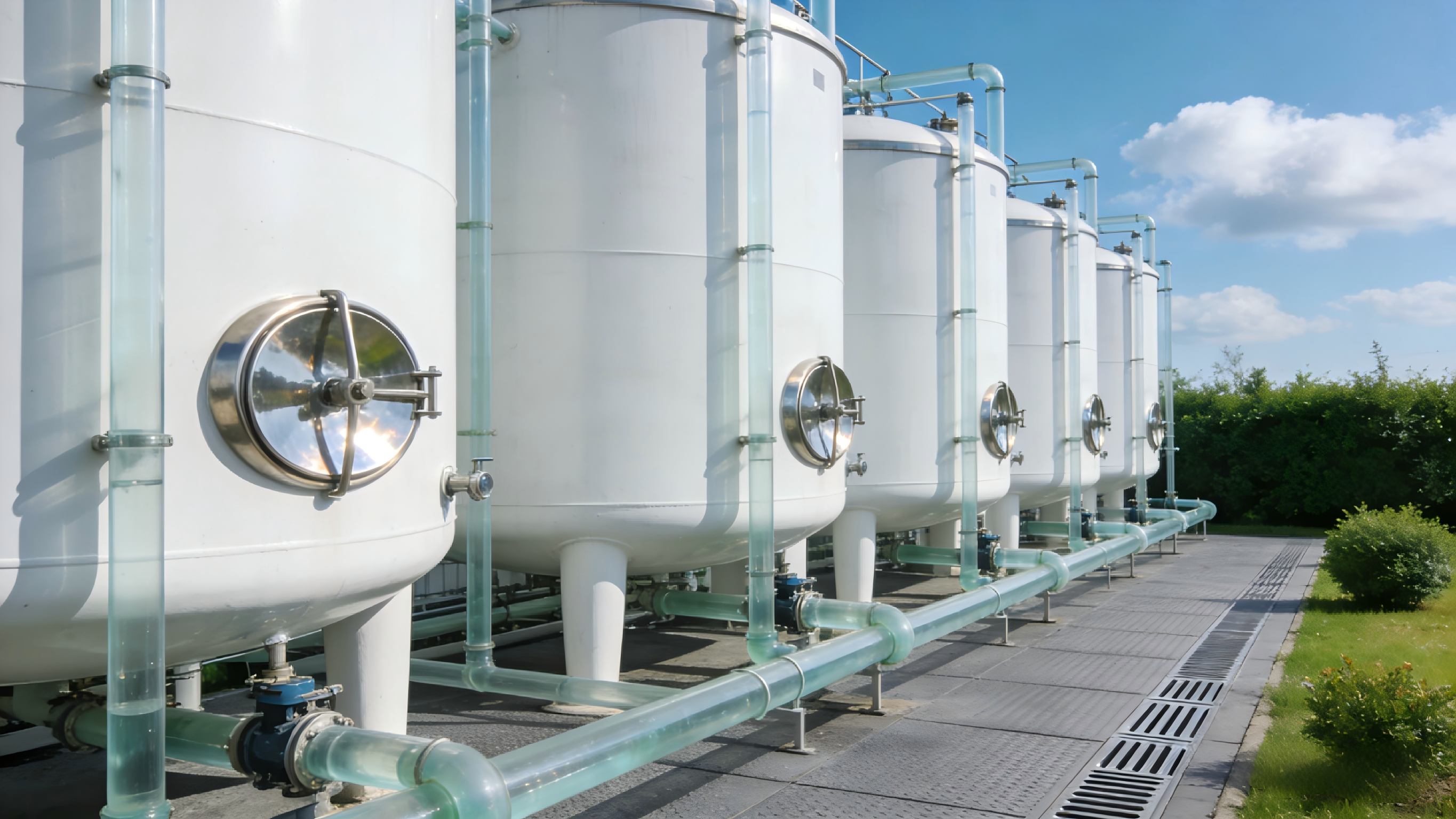
Evaluating drinking water requires testing multiple parameters that indicate overall water quality.
One of the most important indicators is pH. The pH value reflects the acidity or alkalinity of water. Balanced pH levels help maintain stable water chemistry and prevent corrosion in pipelines and distribution systems.
Another essential parameter is conductivity, which measures the ability of water to conduct electricity. Conductivity is closely related to the concentration of dissolved ions in water and provides insight into mineral content.
Total dissolved solids are also widely used to assess drinking water quality. High TDS levels may indicate excessive minerals, salts, or contaminants that affect water taste and usability.
Other important parameters include salinity, dissolved oxygen, and water temperature. Together, these indicators provide valuable information about the condition of a water source and help professionals determine whether the water meets safe consumption standards.
To overcome the limitations of traditional testing methods, advanced portable instruments provide a more efficient approach to drinking water quality monitoring.
The ERUN-SP9 portable water quality tester is designed to help professionals measure multiple water parameters quickly and accurately in both laboratory and field environments. By combining advanced optical detection technology with electrode measurement methods, the device provides reliable results for a wide range of water quality indicators.
The instrument features a 16-channel optical system capable of detecting more than 60 parameters. At the same time, electrode sensors allow accurate measurement of essential indicators such as pH, conductivity, total dissolved solids, salinity, dissolved oxygen, and water temperature. This multi-parameter capability enables users to evaluate drinking water quality comprehensively with a single device.
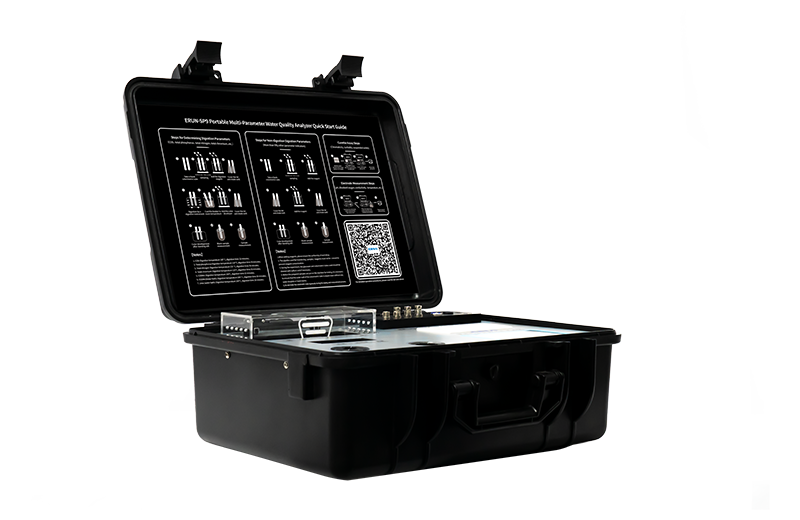
For organizations responsible for water safety, this flexibility offers significant advantages. Environmental monitoring teams can conduct rapid drinking water testing during inspections. Water treatment facilities can verify treatment performance more efficiently. Research institutions and universities can also use the device for environmental studies and laboratory analysis.
By enabling fast and reliable water quality monitoring, the device helps users detect potential water quality problems earlier and take corrective action before contamination affects drinking water safety.
Understanding what is good drinking water quality is essential for protecting public health and ensuring reliable water supply systems. Safe drinking water must meet strict physical, chemical, and biological standards, and these conditions can only be confirmed through accurate drinking water testing.
While laboratory analysis remains an important tool for detailed research, portable testing technologies have become increasingly valuable for routine monitoring and field inspections.
Instruments such as the ERUN-SP9 portable water quality tester provide an efficient and practical solution for comprehensive water quality monitoring. By enabling fast detection of key water quality parameters, these tools help organizations maintain safe drinking water systems and respond quickly to potential contamination risks.