


Arsenic contamination in water has become a serious environmental and public health concern in many parts of the world. Because arsenic is colorless, odorless, and tasteless in water, it cannot be detected without proper testing equipment. Understanding how to test water for arsenic is therefore essential for water safety management.
Arsenic may enter water sources through natural geological processes or human activities such as mining, industrial discharge, and agricultural practices. Long-term exposure to arsenic-contaminated water can pose significant health risks, making regular arsenic in water testing a critical step in environmental monitoring.
Before performing any tests, it is important to understand what arsenic is and why it appears in water systems.
Arsenic is a naturally occurring heavy metal found in the Earth’s crust. In some regions, groundwater passes through arsenic-containing rocks and soil, allowing small amounts of arsenic to dissolve into water sources. Industrial activities and improper waste disposal can also introduce arsenic into rivers, lakes, and groundwater.
Because arsenic cannot be detected visually, reliable arsenic detection in water methods are required to determine its presence and concentration.
Monitoring arsenic levels is particularly important for drinking water supplies, groundwater wells, and environmental water systems. Regular water arsenic testing helps identify contamination early, allowing environmental agencies and water managers to take corrective action.
Without proper testing, arsenic contamination may remain unnoticed for long periods, increasing potential risks to human health and ecosystems.
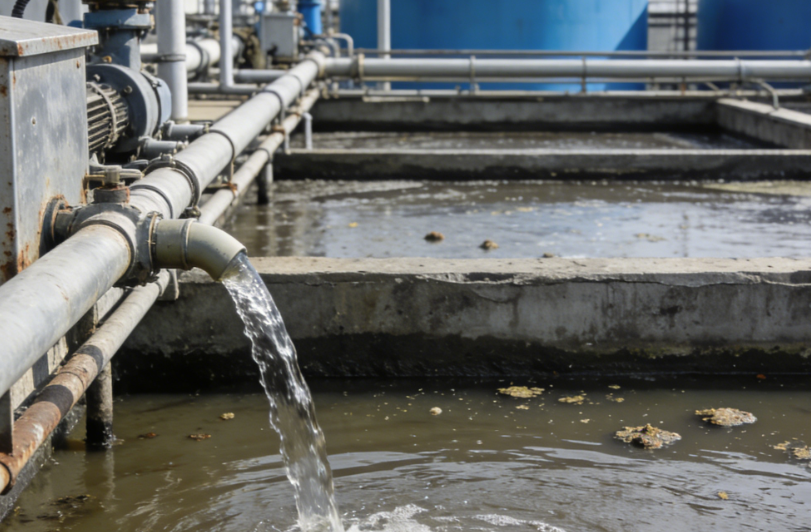
Regular monitoring is essential to ensure safe water quality, especially in areas where arsenic contamination is known to occur.
Groundwater wells are among the most common sources of arsenic exposure. Communities that rely on well water should conduct periodic arsenic in water testing to ensure that arsenic concentrations remain within safe limits.
Environmental monitoring programs also test water sources near industrial zones, mining areas, and agricultural sites. These locations may experience heavy metal pollution that affects surrounding ecosystems.
Government agencies and environmental authorities also conduct routine water arsenic testing as part of broader water quality management programs.
In addition, scientific researchers often perform arsenic analysis to study contamination patterns and environmental impacts.
To address the challenges of traditional testing methods, portable detection instruments provide an effective solution. The ERUN-SP5-F6 portable arsenic detector, developed and produced by Xi’an Erun Environmental Protection Co., Ltd., is designed for rapid arsenic detection in water directly in the field.
This instrument typically uses the principle of anodic stripping voltammetry, a highly sensitive analytical technique capable of detecting trace amounts of arsenic ions in water samples. The method combines high sensitivity with relatively low operational cost, making it suitable for routine monitoring.
One of the major advantages of this portable arsenic detector is its ability to achieve detection limits comparable to large laboratory instruments such as atomic absorption spectrometers. This ensures reliable and accurate water arsenic testing even outside laboratory environments.
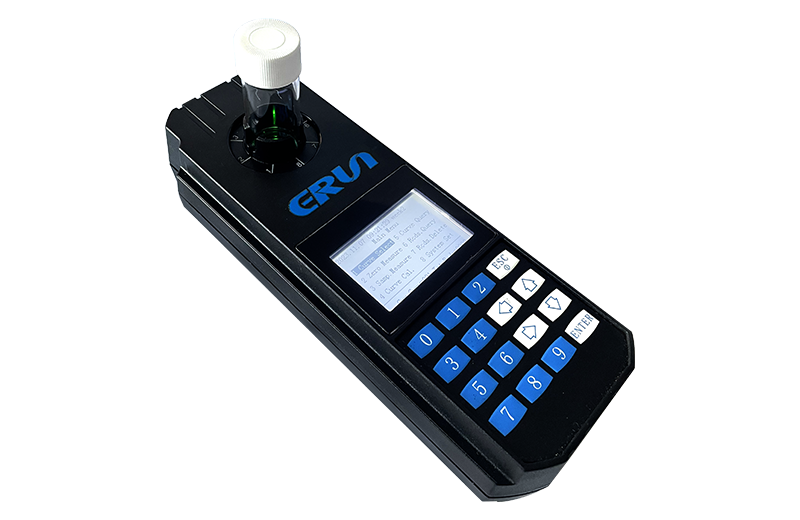
The device is designed with a compact structure and intelligent operation system, allowing users to perform measurements quickly and easily. Its portable design enables environmental professionals to carry the instrument directly to monitoring locations and conduct immediate arsenic in water testing.
This capability is particularly valuable for environmental inspection teams, researchers, and regulatory agencies that need to identify heavy metal pollution sources efficiently. By analyzing water samples on site, users can quickly determine contamination areas and take appropriate measures to control pollution.
Understanding how to test water for arsenic is essential for maintaining safe drinking water and protecting environmental health. Because arsenic contamination cannot be detected visually, accurate testing methods are necessary to identify potential risks.
Traditional laboratory testing remains an important approach for detailed analysis. However, modern portable arsenic detectors provide a faster and more flexible solution for field monitoring.
Instruments such as the ERUN-SP5-F6 portable arsenic detector allow professionals to perform reliable arsenic detection in water directly at monitoring sites. By enabling rapid identification of contamination sources, these tools play an important role in environmental protection and water safety management.