


Access to clean and safe drinking water is essential for public health and environmental protection. Whether for households, water treatment plants, or municipal water supply systems, understanding how to test water quality for drinking is critical.
Drinking water may contain various physical, chemical, or biological contaminants that are not always visible. Regular drinking water testing helps identify potential risks and ensures that water meets safety standards.
Today, advanced water quality monitoring technologies allow water professionals to test water more accurately and efficiently than ever before. From laboratory testing to modern online monitoring systems, there are multiple methods available to evaluate drinking water quality.
Before performing any test, it is important to understand which parameters determine safe drinking water. These parameters help evaluate whether water is suitable for human consumption.
Physical characteristics are the first indicators used to assess water quality. Common physical parameters include turbidity, color, and temperature.
Turbidity measures the cloudiness of water caused by suspended particles. High turbidity may indicate contamination or inadequate filtration during treatment. Color and temperature also provide clues about water condition and possible impurities.
Although these indicators do not always reveal harmful substances, they provide important preliminary information during drinking water testing.
Chemical parameters are essential for determining whether drinking water is safe. Some of the most important chemical indicators include pH, residual chlorine, heavy metals, and dissolved substances.
Residual chlorine is commonly monitored because it indicates whether water has been properly disinfected. Meanwhile, heavy metals such as iron and manganese may affect taste, color, and long-term health if present in high concentrations.
Accurate monitoring of these parameters is a key part of test drinking water quality procedures used by water utilities and environmental agencies.
Microorganisms such as bacteria and viruses can pose serious risks to human health. Biological testing helps detect microbial contamination in drinking water systems.
Maintaining strict microbial control is particularly important in water distribution networks, where contamination may occur during transportation or storage.
Because of these risks, regular drinking water testing is essential for protecting public health.
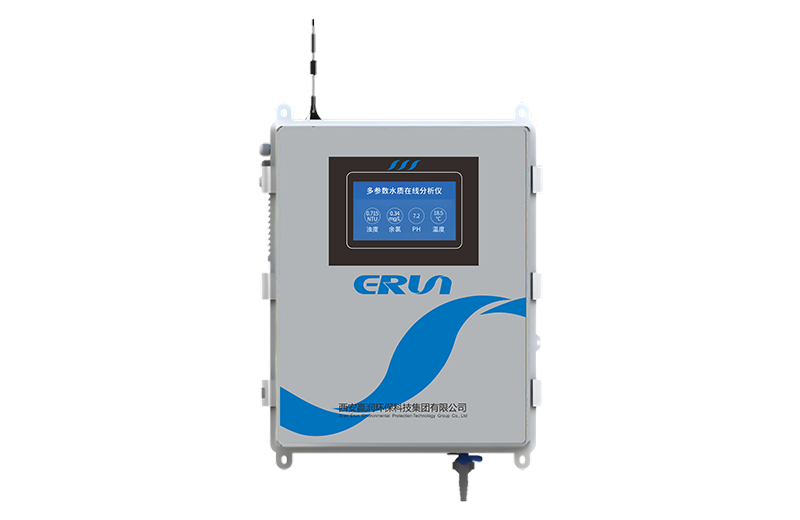
For organizations responsible for managing drinking water systems, continuous monitoring is essential. The ERUN-WQS-6022 drinking water monitoring system provides a reliable solution for real-time water quality monitoring.
This new generation monitoring system, independently developed by Erun Environmental Protection, is designed to support online monitoring of drinking water across multiple environments.
The system can be widely used in:
urban and rural waterworks
water distribution networks
secondary water supply systems
end-user drinking water monitoring
large water purification equipment
indoor swimming pools and public facilities
By providing continuous online water quality monitoring, the system helps operators detect water quality changes quickly and respond before problems escalate.
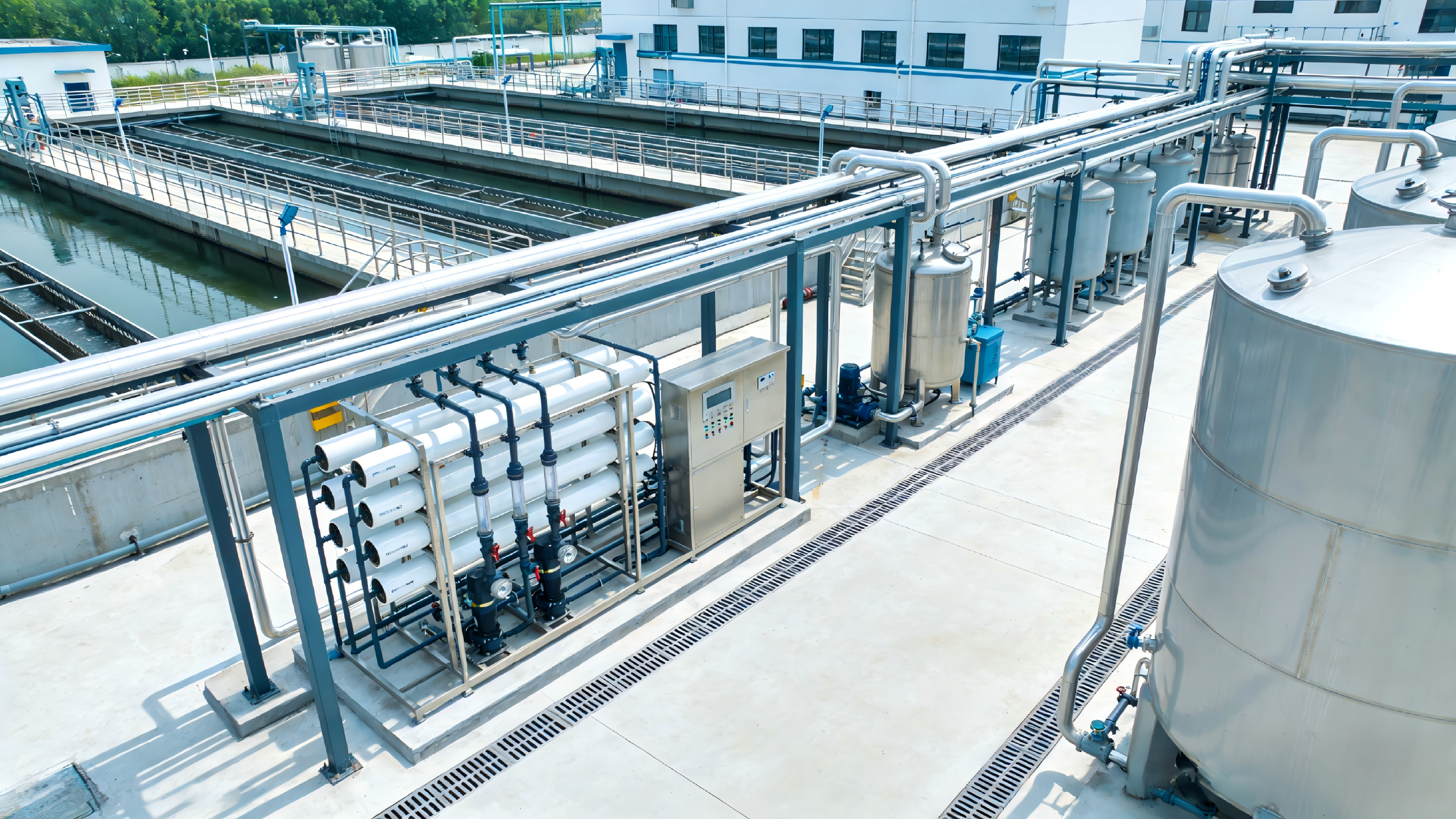
Water treatment plants must carefully control the water production process to maintain stable quality. The ERUN-WQS-6022 monitoring system supports this process by providing reliable real-time data.
Operators can use this information to adjust treatment parameters, improve operational efficiency, and ensure consistent water safety.
The ERUN-WQS-6022 system is widely used for water conservancy management, water production process control, and sanitary supervision.
For government agencies and water utilities, this system provides a dependable tool for maintaining safe drinking water and improving overall water quality monitoring capabilities.
Understanding how to test water quality for drinking is essential for ensuring safe and reliable water supplies. By monitoring physical, chemical, and biological parameters, water professionals can identify potential contamination and maintain high water quality standards.
While traditional testing methods still play an important role, modern online water quality monitoring technologies provide faster and more efficient solutions.
Advanced systems such as the ERUN-WQS-6022 drinking water monitoring system enable continuous monitoring across water supply networks, helping utilities and authorities maintain safe drinking water and improve water management practices.