


Water quality plays a critical role in many industries, from drinking water treatment to aquaculture and environmental monitoring. One of the most important indicators used to evaluate water quality is dissolved oxygen in water.
Many people ask what is dissolved oxygen (DO) and why it matters. Dissolved oxygen refers to the amount of oxygen gas that is dissolved in water. This oxygen supports aquatic life and influences many biological and chemical processes that occur in water systems.
Monitoring DO in water helps professionals understand whether a water body is healthy, whether treatment processes are functioning properly, and whether environmental conditions are suitable for aquatic organisms. For these reasons, accurate dissolved oxygen testing is an essential part of modern water quality monitoring.
To understand what is dissolved oxygen (DO), it is helpful to start with its scientific definition. Dissolved oxygen is the concentration of oxygen molecules that are present in water. These oxygen molecules dissolve naturally through interactions between water and the atmosphere.
Dissolved oxygen is typically measured in milligrams per liter (mg/L) or parts per million (ppm). In some cases, it may also be expressed as oxygen saturation (%), which indicates how much oxygen the water contains relative to its maximum capacity.
Several natural processes contribute to the presence of dissolved oxygen in water:
Oxygen dissolves directly from the atmosphere when water is exposed to air
Turbulence caused by flowing water increases oxygen absorption
Photosynthesis by aquatic plants and algae releases oxygen into the water
These processes help maintain healthy DO in water, which is essential for aquatic ecosystems and water treatment processes.
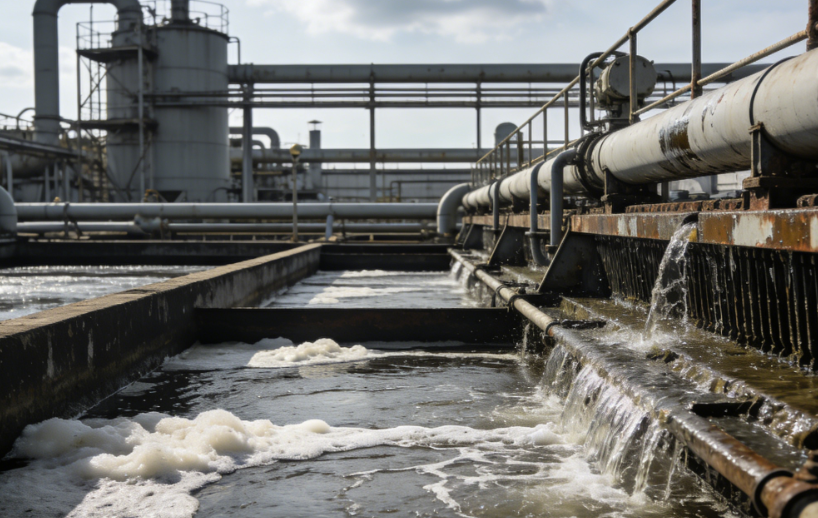
Several environmental and operational factors can influence dissolved oxygen levels in water.
Temperature is one of the most important factors affecting oxygen solubility. Cold water can hold more oxygen than warm water. As temperature increases, the ability of water to retain oxygen decreases.
Flowing water, turbulence, and aeration systems increase the contact between water and air. This process allows more oxygen to dissolve into the water.
When organic materials enter water systems, microorganisms break them down through biological processes. During this process, microbes consume oxygen, which can reduce DO in water.
Monitoring dissolved oxygen in water is essential across multiple industries.
In environmental monitoring, dissolved oxygen is used to evaluate the health of rivers, lakes, and reservoirs. Low oxygen levels may indicate pollution or ecosystem imbalance.
In drinking water systems, dissolved oxygen testing helps operators understand water freshness and evaluate treatment processes.
In aquaculture, fish and other aquatic organisms depend on adequate oxygen levels to survive and grow. Insufficient oxygen can quickly lead to stress or mortality in aquatic populations.
Wastewater treatment plants also rely on oxygen for biological treatment processes. Aerobic bacteria require oxygen to break down organic pollutants effectively.
Because of these applications, accurate and reliable water quality monitoring tools are essential for professionals managing water systems.
For water professionals who need reliable and efficient dissolved oxygen testing, choosing the right instrument is essential.
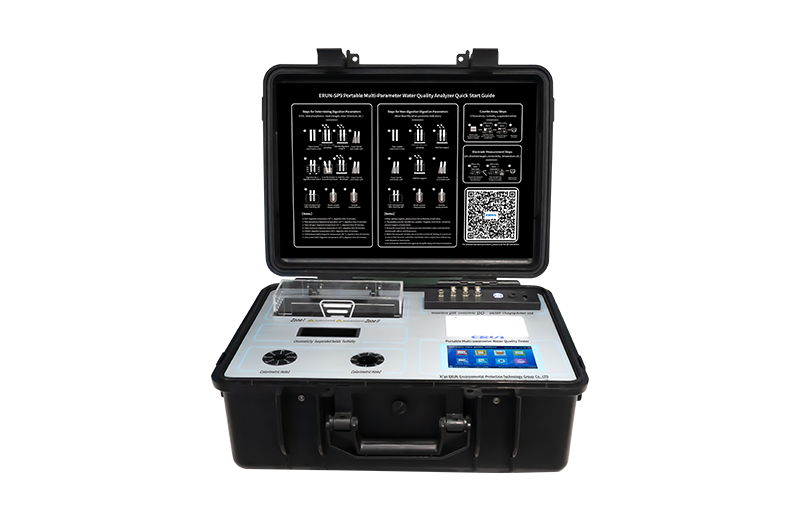
The ERUN-SP9-A5 portable dissolved oxygen meter, independently developed and manufactured by Erun Environmental Protection, provides a practical solution for fast and accurate dissolved oxygen measurement in a wide range of applications.
The instrument supports rapid measurement of several key parameters:
dissolved oxygen concentration (mg/L or ppm)
oxygen saturation (%)
water temperature (°C)
These measurements allow users to quickly assess dissolved oxygen in water and understand environmental conditions that may influence water quality.
Many water professionals must monitor multiple sampling points across large areas. Traditional laboratory testing can delay results and make real-time monitoring difficult.
The ERUN-SP9-A5 solves this challenge by enabling on-site dissolved oxygen testing. With immediate readings available in the field, technicians can quickly identify abnormal oxygen levels and take corrective action before water quality problems worsen.
Understanding what is dissolved oxygen (DO) is fundamental to effective water quality management. Dissolved oxygen plays a key role in biological processes, environmental health, and water treatment efficiency.
Monitoring dissolved oxygen in water allows professionals to identify potential problems early and maintain stable water conditions across many industries.
With advanced tools such as the ERUN-SP9-A5 portable dissolved oxygen meter, water professionals can perform reliable dissolved oxygen testing in the field, improve monitoring efficiency, and ensure accurate water quality monitoring for a wide range of applications.