


Water quality monitoring is essential for ensuring safe and reliable drinking water. Among the many indicators used to evaluate water quality, dissolved oxygen in drinking water standards play an important role in assessing water freshness, biological activity, and treatment efficiency.
Dissolved oxygen (DO) refers to the amount of oxygen gas that is dissolved in water. Although it is often associated with environmental monitoring in rivers and lakes, DO also provides valuable information about the condition of drinking water systems.
Monitoring dissolved oxygen levels in drinking water helps water treatment operators detect potential problems such as microbial growth, organic contamination, or poor circulation within distribution systems. Accurate dissolved oxygen testing therefore becomes a critical part of modern water quality management.
To understand dissolved oxygen in drinking water standards, it is first necessary to understand what dissolved oxygen actually represents.
Dissolved oxygen is the concentration of oxygen molecules dissolved in water. It is typically measured in milligrams per liter (mg/L) or parts per million (ppm). In some cases, it is also expressed as oxygen saturation percentage, which indicates how much oxygen the water holds compared with its maximum capacity at a given temperature and pressure.
Oxygen can enter drinking water through several natural and treatment processes:
Diffusion from the atmosphere when water is exposed to air
Turbulence during pumping or aeration in treatment plants
Natural processes occurring in source water such as rivers or reservoirs
These processes help maintain healthy dissolved oxygen levels in drinking water, which contributes to stable water quality.
Maintaining appropriate DO in water provides several benefits:
Prevents anaerobic conditions that cause unpleasant odors
Helps control microbial activity
Indicates good water circulation and treatment efficiency
Although dissolved oxygen is not usually regulated as strictly as other drinking water parameters, monitoring it helps utilities maintain overall water system performance.
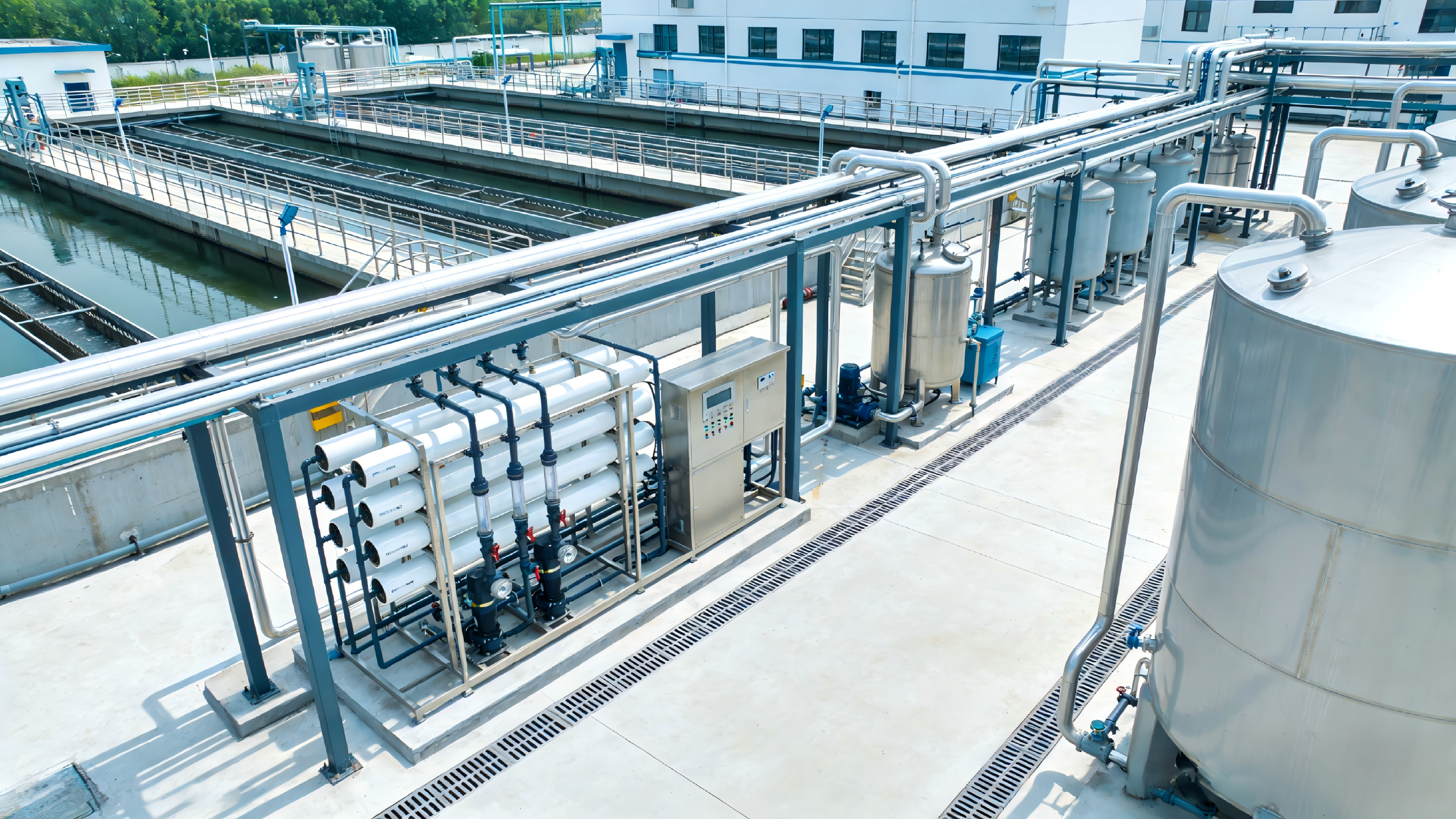
While many international drinking water guidelines do not set a strict mandatory limit for dissolved oxygen, water professionals generally follow recommended ranges to maintain healthy water conditions.
Typically, dissolved oxygen levels in drinking water fall within the following ranges:
5–8 mg/L: Common range in treated drinking water systems
8–10 mg/L: Often found in natural surface water sources
Below 5 mg/L: May indicate oxygen depletion or poor water quality conditions
Several factors influence the concentration of dissolved oxygen in water. Temperature is one of the most significant. Colder water can hold more oxygen than warmer water. Similarly, altitude and atmospheric pressure also affect oxygen solubility.
For water professionals who need fast and reliable DO measurements, a portable testing device can significantly improve monitoring efficiency.
The ERUN-SP9-A5 portable dissolved oxygen meter, independently developed and manufactured by Erun Environmental Protection, is designed to provide accurate and convenient dissolved oxygen measurements across multiple industries.
The instrument supports rapid measurement of:
dissolved oxygen concentration (mg/L or ppm)
oxygen saturation (%)
water temperature (°C)
These key parameters allow water quality professionals to quickly evaluate oxygen conditions and identify potential water quality issues.
In many drinking water systems, operators must perform routine inspections across multiple locations. Traditional laboratory testing methods can delay results and slow down decision-making.
The ERUN-SP9-A5 helps solve this challenge by enabling on-site dissolved oxygen testing. With immediate readings available in the field, technicians can detect abnormal oxygen levels quickly and take corrective action before water quality problems develop.
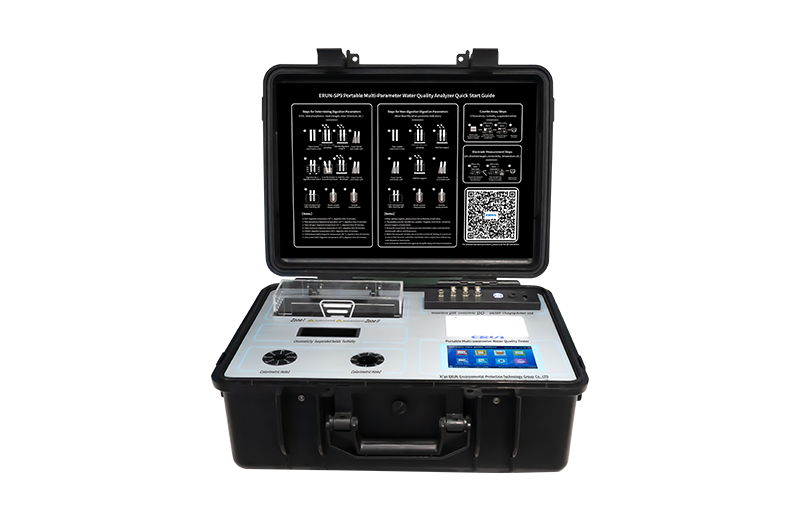
The ERUN-SP9-A5 is built for practical field applications. Its stable performance and simple interface make it easy to operate even during routine inspections.
Key design advantages include:
one-handed operation for convenient field testing
a dedicated dissolved oxygen electrode for precise detection
stable and reliable performance in various environments
Because of these features, the instrument is widely suitable for applications such as drinking water monitoring, environmental water analysis, wastewater treatment, aquaculture management, and laboratory research.
Understanding dissolved oxygen in drinking water standards is an important part of modern water quality management. Dissolved oxygen helps indicate water freshness, biological activity, and overall treatment efficiency.
Although DO levels can vary depending on environmental conditions and treatment processes, maintaining healthy dissolved oxygen levels in drinking water is essential for stable and safe water systems.
Reliable dissolved oxygen testing therefore plays a key role in routine monitoring. With advanced tools such as the ERUN-SP9-A5 portable dissolved oxygen meter, water professionals can perform accurate field measurements, quickly identify potential issues, and maintain high water quality standards across drinking water systems.