


Clean drinking water is essential for human health, yet trace contaminants can still enter water systems through natural processes and aging infrastructure. Among these contaminants, lead is considered one of the most hazardous heavy metals due to its cumulative toxicity and long-term health impacts. Lead in drinking water testing plays a critical role in ensuring water safety, protecting public health, and maintaining compliance with international regulatory standards.
Lead can enter drinking water primarily through corrosion of plumbing materials, including old pipes, solder, and fixtures that contain lead components. When water remains in contact with these materials for extended periods, lead ions may dissolve into the water supply. This issue is especially common in older urban infrastructure or areas where corrosion control measures are insufficient.
Exposure to lead in drinking water has been associated with various health risks. Even low concentrations may cause neurological damage, particularly in infants and children whose nervous systems are still developing. Adults may experience kidney damage, cardiovascular issues, and reproductive problems with prolonged exposure.
International health organizations have established strict limits for lead concentration in drinking water to reduce these risks.
Standard / Regulation | Maximum Lead Concentration |
WHO Guidelines for Drinking-water Quality | 0.01 mg/L |
U.S. Safe Drinking Water Act (Lead and Copper Rule) | 0.015 mg/L (action level) |
GB 5749-2022 Drinking Water Standard (China) | 0.01 mg/L |
These limits highlight the importance of routine monitoring to detect contamination before it reaches harmful levels.
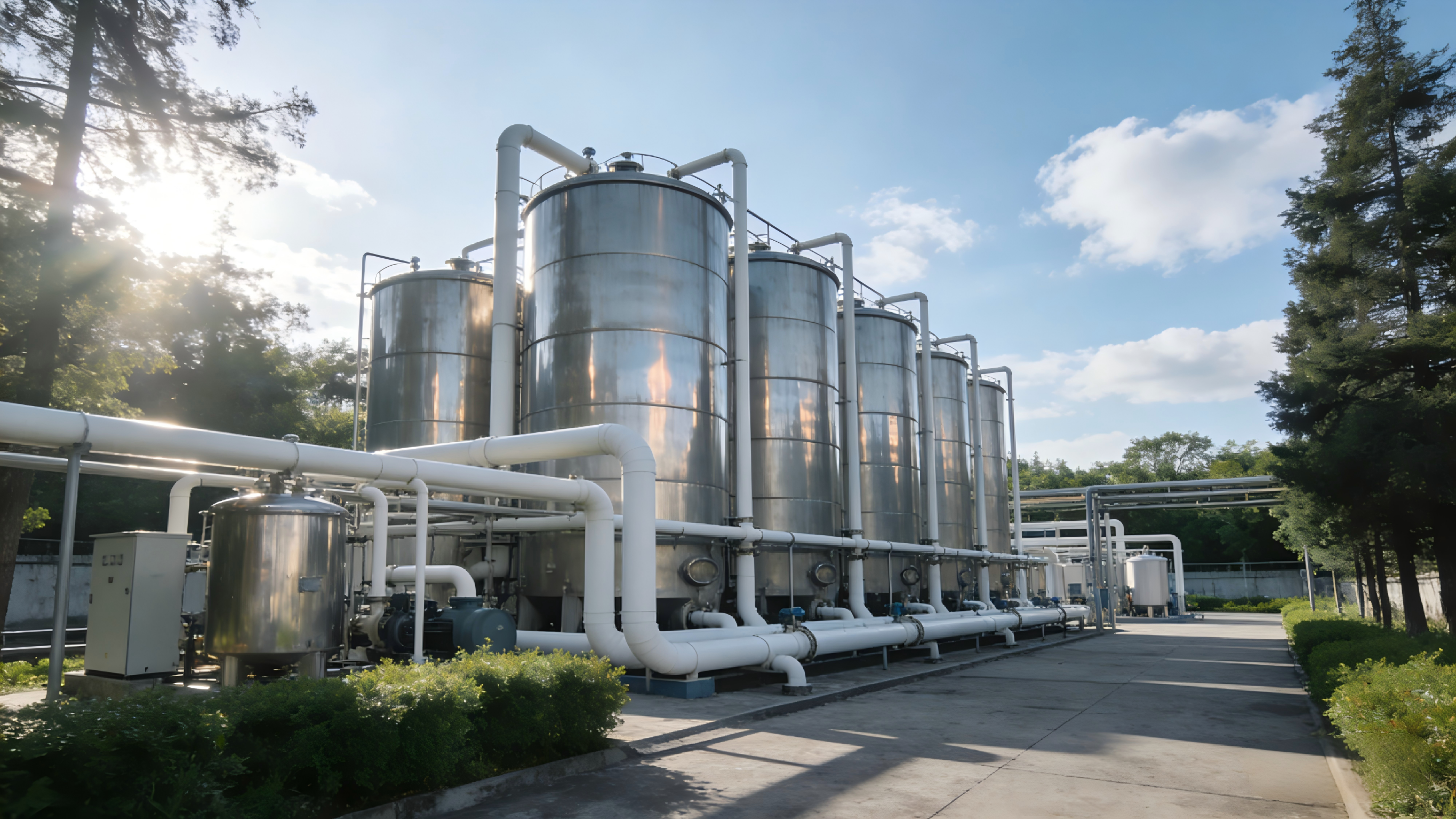
Lead contamination rarely originates from the water source itself. Instead, it often results from interactions between water and distribution systems. Several common factors contribute to elevated lead levels:
Aging lead service lines and household plumbing systems
Corrosion of brass fittings and solder used in pipes
Chemical reactions influenced by water pH and alkalinity
Industrial pollution affecting groundwater sources
Water treatment facilities typically implement corrosion control strategies to reduce the dissolution of lead from pipes. However, monitoring programs remain essential because infrastructure conditions vary widely between regions and buildings.
Reliable detection techniques are essential for accurate measurement of lead concentration. Both laboratory and field-based analytical methods are commonly used in water quality monitoring.
Laboratory instruments provide highly accurate analysis and are widely used in regulatory testing.
Method | Principle | Characteristics |
Atomic Absorption Spectroscopy (AAS) | Measures light absorption by lead atoms | High accuracy and sensitivity |
Inductively Coupled Plasma Mass Spectrometry (ICP-MS) | Detects metal ions through ionized plasma analysis | Extremely low detection limits |
Inductively Coupled Plasma Optical Emission Spectrometry (ICP-OES) | Detects emitted light from excited atoms | Suitable for multi-element analysis |
These methods are capable of detecting lead concentrations at microgram-per-liter levels, making them ideal for compliance testing under national and international regulations.
Portable electrochemical analyzers have become increasingly popular for field monitoring because they allow rapid measurements without requiring a full laboratory setup. One widely used technique is anodic stripping voltammetry (ASV), which pre-concentrates lead ions on an electrode surface before measuring their electrochemical signal.
This approach offers high sensitivity and detection limits comparable to traditional laboratory methods, while also enabling real-time decision-making in environmental monitoring programs.
Field analysis plays an important role in water quality management because contamination events can occur unexpectedly. Portable analyzers allow technicians to conduct rapid testing directly at sampling locations such as treatment plants, distribution networks, or residential buildings.
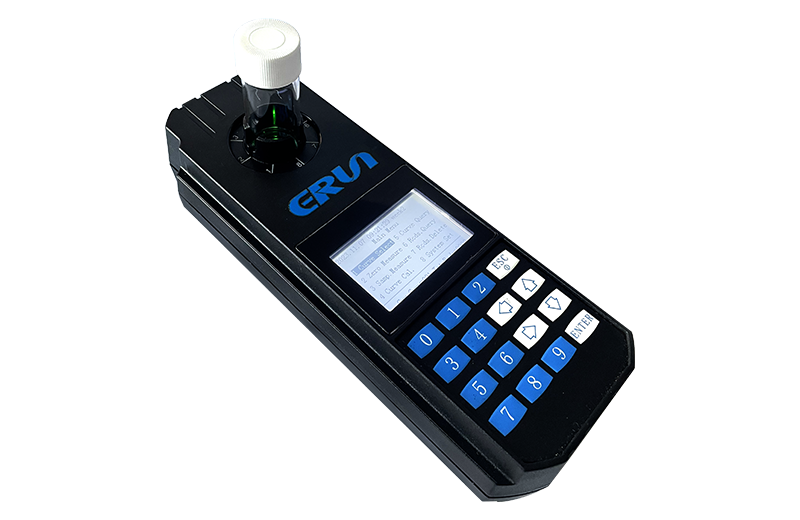
The ERUN-80-L2 Portable Lead Ion Detector developed by Erun Environmental Protection provides a practical solution for fast lead monitoring in water samples. This instrument applies electrochemical detection technology such as anodic stripping voltammetry to achieve reliable measurement accuracy comparable to large laboratory equipment.
Key performance characteristics include:
Parameter | Specification |
Measuring Range | 0.01 – 0.50 mg/L |
Indication Error | ≤ ±5% |
Repeatability | ≤ 3% |
Optical Stability | Drift < 0.002A within 20 minutes |
Weight | 500 g |
Power Supply | 4 AA batteries |
The compact design allows the device to be easily transported for on-site testing. Its LCD display and automated functions, including calibration and data storage, simplify the testing process and improve operational efficiency. The instrument can store multiple standard curves and up to 199 measurement records with time stamps, which is valuable for environmental monitoring and regulatory reporting.
The device also features an IP65-rated ABS housing, providing protection against dust, water, and corrosion. These characteristics make it suitable for applications in environmental monitoring, water treatment facilities, public safety inspection, and scientific research.
Routine monitoring of heavy metals is a key component of modern water quality management systems. Water utilities and environmental agencies typically follow structured testing programs that include sampling, laboratory analysis, and corrective actions when elevated concentrations are detected.
Lead monitoring also supports infrastructure assessment. When abnormal lead levels are discovered, engineers can identify the source of contamination, implement corrosion control strategies, or replace aging pipes. Public health authorities may also recommend flushing household pipes or installing certified filtration systems to reduce exposure.
Continuous improvement in water monitoring technologies has significantly enhanced the ability to detect contaminants early and prevent widespread exposure.
Reliable monitoring ensures compliance with international standards and protects communities from the risks associated with heavy metal contamination. As water infrastructure ages and environmental pressures increase, lead in drinking water testing remains one of the most important tools for safeguarding safe drinking water worldwide.