


If you manage a wastewater treatment plant, operate an industrial facility, or work in environmental supervision, you have likely asked: what is a good COD level in water?
The answer is not just technical—it directly impacts compliance, operational stability, cost control, and environmental protection. Understanding acceptable COD levels in water is essential for making informed treatment decisions and avoiding regulatory risks.
Let’s explore the standards, risks, and practical testing solutions.
The definition of a “good” COD value depends on water type and regulatory standards.
Drinking water typically contains very low COD values—often below 10 mg/L, depending on national standards. Low COD indicates minimal organic contamination and effective source water protection.
If COD rises in drinking water, it may suggest pollution in the source or insufficient treatment.
For treated wastewater, acceptable discharge standards usually require COD levels below 50–100 mg/L, depending on local environmental regulations.
Maintaining COD within the permitted discharge limit ensures:
Compliance with environmental laws
Reduced ecological damage
Stable plant operation
Industrial effluent before treatment may have high COD levels, ranging from hundreds to thousands of mg/L. The treatment goal is to reduce these values to meet regulatory discharge standards.
So when asking what is a good COD level in water, the correct answer is: a value that meets regulatory requirements for its intended use.
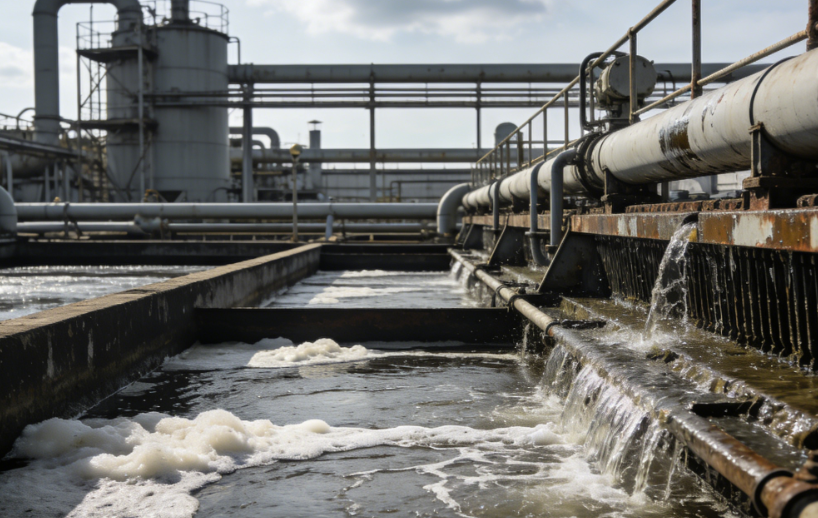
When high COD levels occur, they signal excessive organic pollution.
If wastewater with high COD enters a natural water body, microorganisms consume large amounts of dissolved oxygen while decomposing pollutants. This may cause:
Oxygen depletion
Fish mortality
Ecosystem imbalance
For facilities, high COD may indicate:
Inefficient treatment processes
Sudden inflow of concentrated waste
Equipment malfunction
Risk of regulatory fines
Uncontrolled COD levels increase both environmental liability and operational costs.
Therefore, regular and accurate monitoring is essential.
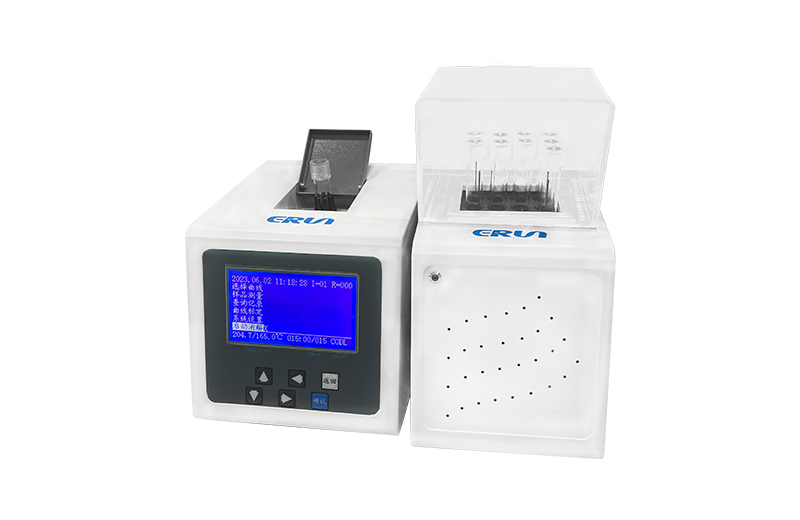
For facilities striving to maintain stable COD levels in water, the ERUN-ST3-J5 Benchtop COD Analyser offers a reliable and efficient solution.
1. Consistent Sealed Catalytic Digestion
The instrument uses sealed catalytic digestion, ensuring stable reaction conditions and minimizing external interference. This improves result consistency and enhances laboratory safety.
For operators who struggle with unstable digestion conditions, this directly reduces variability.
2. Accurate Colourimetric Measurement
With advanced cold light source and narrow band interference technology, the analyzer delivers stable and precise readings. This is especially valuable when COD values approach regulatory discharge limits, where even small errors can lead to compliance risks.
3. Automatic Data Processing
The built-in microcomputer automatically processes data and directly displays the COD (mg/L) value. No manual calculation is required.
This helps customers:
Reduce calculation errors
Speed up testing workflow
Improve data reliability during inspections
Maintaining acceptable COD levels requires both process control and reliable monitoring.
Key actions include:
Optimizing biological treatment systems
Strengthening industrial pretreatment
Monitoring influent fluctuations
Performing regular laboratory verification
Accurate and consistent testing is the foundation of effective COD control. Without reliable measurement tools, treatment adjustments are only estimates.
So, what is a good COD level in water?
It is a level that meets regulatory standards, protects ecosystems, and supports stable treatment operations. For drinking water, that means very low COD. For wastewater, it means remaining within legally permitted discharge limits.
The key to maintaining a good COD level is accurate and reliable measurement.
With professional solutions like the ERUN-ST3-J5, laboratories and treatment facilities can strengthen wastewater monitoring, improve precision, and ensure long-term environmental compliance.
In water quality management, informed decisions begin with dependable data.