


Many people notice a strong smell or unusual taste in their tap water and immediately ask: why is chlorine bad in tap water?
Chlorine is widely used to disinfect drinking water and protect public health. Without it, harmful bacteria and viruses could spread through municipal water systems. However, while chlorine plays a critical protective role, excessive levels or improper control can create concerns related to taste, odor, infrastructure, and long-term exposure.
Understanding the balance between safety and overexposure is essential for both consumers and water management professionals.
Before discussing risks, it’s important to understand the purpose of chlorine in tap water.
Water treatment facilities add chlorine to:
Kill bacteria, viruses, and pathogens
Prevent waterborne diseases
Protect water quality throughout distribution pipelines
Chlorine remains in the water as residual disinfectant, ensuring protection even as water travels long distances through municipal systems.
From a public health perspective, chlorine has dramatically reduced the spread of infectious diseases worldwide. The issue is not chlorine itself—but maintaining proper levels.
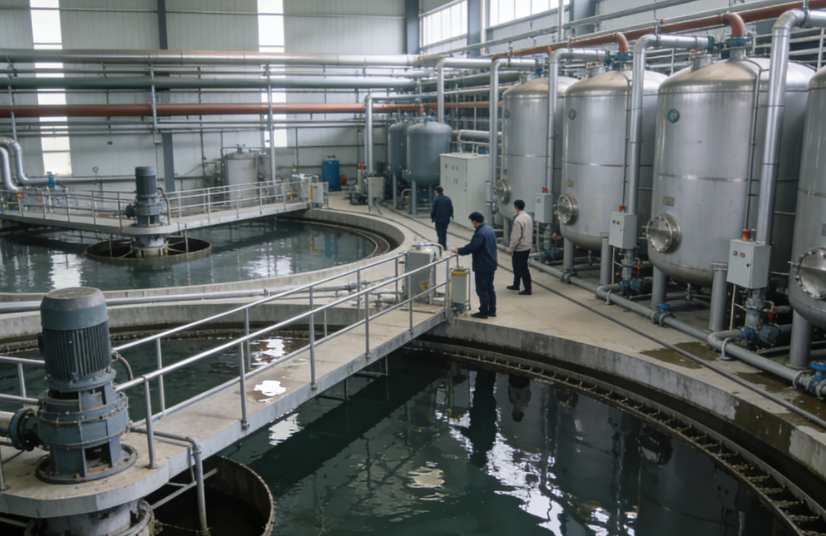
The question isn’t whether chlorine is always harmful, but under what conditions it may cause problems.
One of the most common complaints is the distinct chlorine taste in water. When chlorine levels are high, water may:
Smell like a swimming pool
Taste metallic or chemical
Create discomfort for sensitive individuals
This can reduce consumer confidence and satisfaction.
Excess chlorine exposure may contribute to:
Dry skin
Hair damage
Eye irritation
Aggravated respiratory sensitivity in certain individuals
While regulated drinking water typically remains within safe limits, over-dosing or inconsistent treatment control can increase these effects.
When chlorine reacts with natural organic matter in water, it may form disinfection byproducts such as trihalomethanes (THMs). Regulatory agencies strictly control these levels, but poor system monitoring can increase risk.
Beyond health questions, improper chlorine management may accelerate pipe corrosion. This can:
Increase maintenance costs
Shorten infrastructure lifespan
Impact long-term water system stability
So when people ask why is chlorine bad in tap water, the real answer is: it becomes problematic when levels are not properly monitored and controlled.
While chlorine disinfects water, chloride ions are often monitored to evaluate:
Corrosion risks in pipelines
Industrial process water stability
Salinity impact on systems
General water quality testing needs
Tracking chloride ion concentration helps water managers identify abnormal chemical changes and protect infrastructure.
For industries such as thermal power, pharmaceuticals, petrochemicals, and food processing, accurate chloride control is essential to prevent equipment damage and ensure product quality.
For professionals responsible for water quality, delayed laboratory analysis can slow decision-making and increase risk.
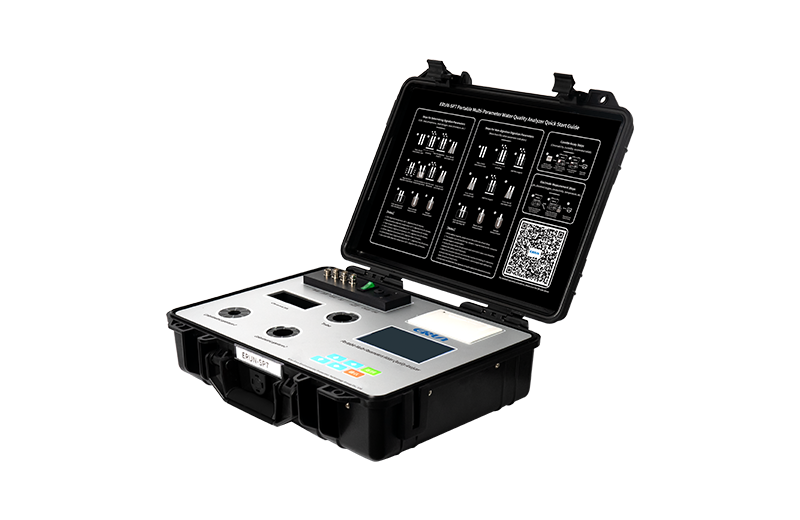
The ERUN-SP7-C4 Portable Water Chloride Tester is designed to solve these real-world challenges by providing rapid and precise determination of chloride ion concentration directly on-site.
1. Fast On-Site Detection
Instead of sending samples to the laboratory and waiting for results, this portable instrument enables immediate testing. This supports faster adjustments and real-time process control.
2. Improved Compliance Confidence
For municipal water suppliers and environmental monitoring departments, accurate chloride measurement strengthens reporting credibility and simplifies inspections.
3. Multi-Industry Flexibility
The instrument is suitable for:
Municipal water supply systems
Food and beverage production
Healthcare and pharmaceutical industries
Chemical processing
Thermal power plants
Papermaking and textile printing
Aquaculture and biotechnology
This flexibility allows companies with multiple facilities to standardize their testing approach.
So, why is chlorine bad in tap water?
Chlorine itself is not inherently bad—it is essential for public health. However, excessive or poorly controlled levels can affect taste, comfort, and infrastructure stability.
The real solution lies in precision and monitoring. By maintaining proper disinfection levels and accurately measuring chemical parameters such as chloride ion concentration, water providers and industrial operators can ensure both safety and performance.
Reliable testing tools make the difference between reactive management and confident, proactive control.