


In water treatment and quality control, one common question often arises: Is residual chlorine the same as total chlorine?
While the two terms are closely related, they are not identical. Understanding the difference is essential for ensuring safe disinfection, regulatory compliance, and proper water quality management.
Whether you manage municipal supply systems, industrial water processes, or food production facilities, accurate chlorine measurement is critical.
The short answer is no.
Residual chlorine level refers to the amount of chlorine remaining in water after the initial disinfection process. It ensures continued protection against microbial contamination as water travels through pipelines and storage systems.
Total chlorine, on the other hand, includes both free chlorine and combined chlorine. In simpler terms:
Total chlorine = free chlorine + combined chlorine
To fully understand this distinction, it is important to break down each component.
Residual chlorine is the chlorine that remains available to continue disinfecting water. It includes:
Free residual chlorine – the active form that directly kills pathogens
Combined chlorine – chlorine that has reacted with ammonia or organic matter
Free chlorine is primarily responsible for ongoing sanitation. Maintaining an appropriate residual concentration prevents bacterial regrowth in distribution systems.
If residual chlorine drops too low, water may become vulnerable to contamination. If it is too high, taste, odor, and irritation issues may occur.
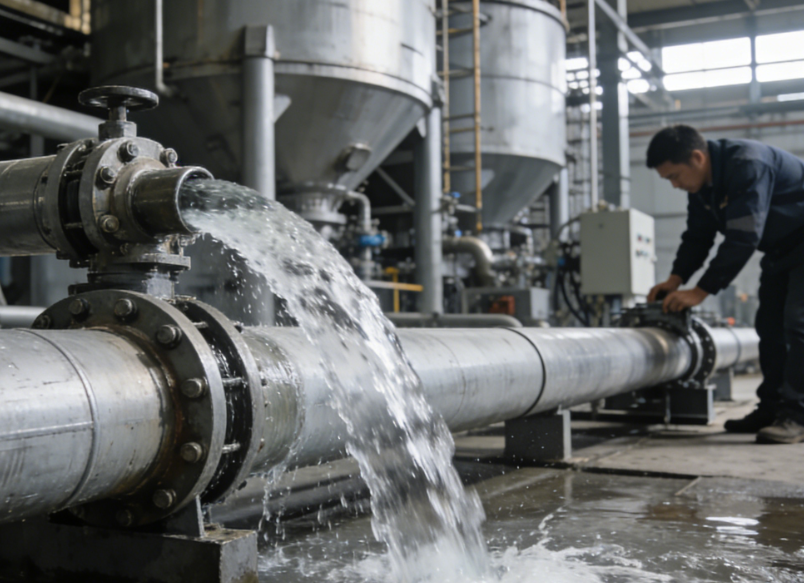
Total chlorine measures the entire chlorine content in water, including both free and combined chlorine.
Combined chlorine forms when chlorine reacts with impurities such as ammonia. Although it still represents chlorine presence, it is significantly less effective for disinfection.
This is why monitoring total chlorine alone may not provide a complete picture of water safety. Without distinguishing between free and combined chlorine, operators may misinterpret water quality conditions.
Understanding whether Is residual chlorine the same as total chlorine helps prevent incorrect dosing decisions.
Confusing residual chlorine with total chlorine can lead to operational risks:
Over-chlorination due to inaccurate assumptions
Under-disinfection if free chlorine is insufficient
Regulatory non-compliance
Increased chemical costs
Infrastructure damage
Municipal water suppliers must maintain stable disinfection levels throughout distribution networks. Food and beverage manufacturers must ensure strict hygiene standards. Pharmaceutical facilities require precise chemical control.
In each case, accurate residual chlorine monitoring ensures proper balance between safety and efficiency.
Basic test strips provide quick estimates but often lack precision and repeatability. In professional environments, this level of uncertainty can create compliance risks.
Modern chlorine testing equipment provides:
High accuracy
Rapid on-site detection
Reliable digital readings
Standardized documentation
A professional digital chlorine analyzer ensures that chlorine measurements are dependable and defensible during inspections.
For organizations seeking precision and reliability, the ERUN-SP7-K6 offers a targeted solution to chlorine monitoring challenges.
With ±0.01 mg/L accuracy, this portable residual chlorine water quality tester delivers precise readings across the entire water supply chain—from source water to distribution networks.
For customers, this means:
Reduced regulatory risk
Improved audit readiness
Confidence in dosing decisions
Accurate differentiation between chlorine concentrations supports consistent disinfection control.
The system employs advanced optoelectronic technology to ensure stable performance and fast results.
On-site testing eliminates delays associated with laboratory analysis. Operators can respond immediately to fluctuations, preventing both over-chlorination and under-disinfection.
This real-time capability improves operational efficiency and reduces potential liability.
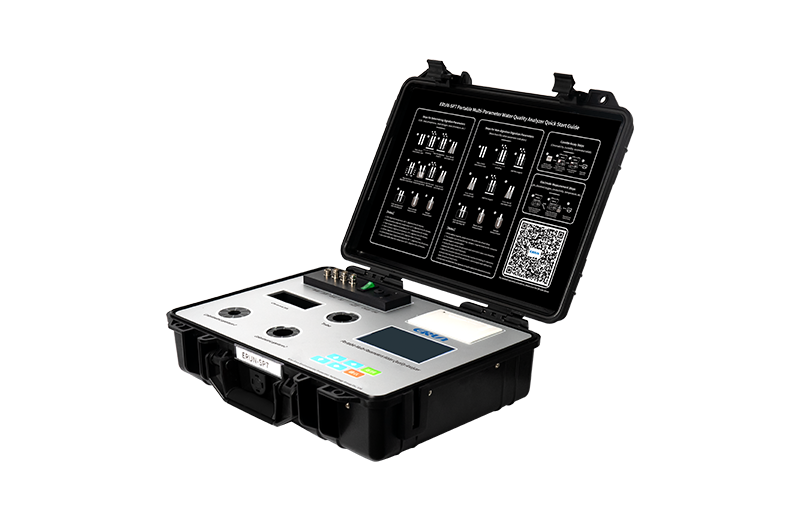
To summarize, Is residual chlorine the same as total chlorine? No. Residual chlorine ensures ongoing disinfection, while total chlorine represents the sum of free and combined chlorine.
Understanding this distinction is essential for water safety, regulatory compliance, and efficient chemical management.
Maintaining the correct residual chlorine level requires accurate, high-precision measurement tools. A dependable portable residual chlorine water quality tester empowers operators to make informed decisions, protect infrastructure, and ensure safe water from source to tap.
Precision monitoring is not just a technical requirement—it is a safeguard for public health and operational reliability.