


Water disinfection is essential for public health, but maintaining safety does not end once chlorine is added. A crucial question in water treatment is: What is residual chlorine in water?
Residual chlorine plays a vital role in ensuring that water remains safe from the source through the entire distribution network. However, controlling it accurately is equally important to avoid safety, taste, and compliance issues.
What is residual chlorine in water? It refers to the amount of chlorine that remains in water after the initial disinfection process. This remaining chlorine continues to kill or inhibit harmful microorganisms as water travels through pipelines and storage systems.
Residual chlorine is typically divided into two categories:
Free residual chlorine – the active chlorine available for ongoing disinfection
Total residual chlorine – the combined amount of free chlorine and combined chlorine
Maintaining an appropriate residual chlorine level ensures that water stays microbiologically safe while avoiding unnecessary chemical overexposure.
Chlorine is widely used because it is effective, economical, and provides lasting protection. After primary disinfection, residual chlorine acts as a safeguard against contamination that may occur during transportation or storage.
Without proper residual chlorine control:
Bacteria may regrow in pipelines
Biofilms may develop inside distribution systems
Water safety could be compromised
Therefore, understanding What is residual chlorine in water is directly linked to protecting public health.
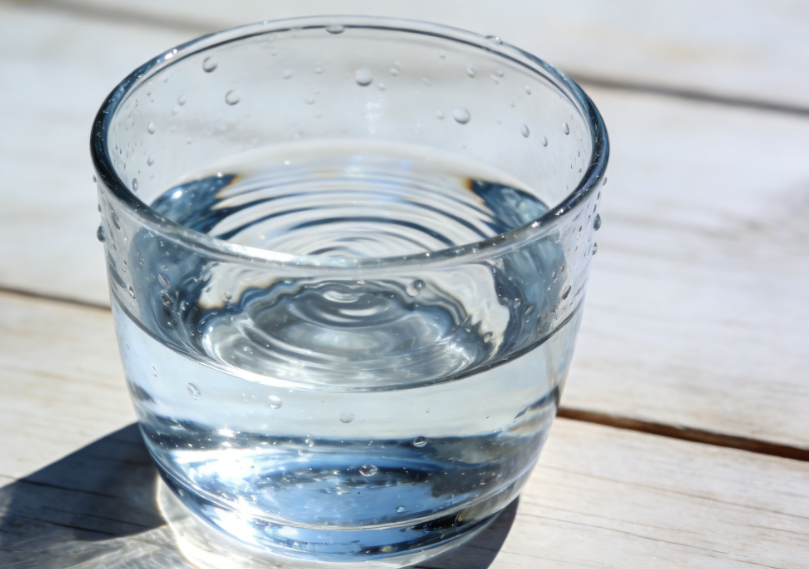
Water authorities typically maintain residual chlorine within a regulated range, often between 0.2–0.5 mg/L, depending on local standards.
If the residual chlorine level is too low:
Water may become vulnerable to microbial contamination
If it is too high:
Water may develop strong taste and odor
Users may experience irritation
Industrial processes may be affected
Maintaining balance is key—and that requires precise measurement.
Accurate residual chlorine monitoring is not limited to municipal water systems.
Water utilities must ensure consistent disinfection while meeting regulatory standards across the entire supply chain.
Production water must meet hygiene standards. Inaccurate chlorine control can affect product quality and safety certifications.
Strict water purity requirements demand precise chlorine control to maintain compliance.
Excess chlorine can damage equipment or interfere with industrial processes.
Across all these sectors, reliable chlorine testing equipment is essential for operational integrity.
Traditional test strips and manual kits provide basic estimates, but they often lack accuracy and repeatability. In modern water management systems, high-precision digital instruments are preferred.
Advantages of professional testing solutions include:
Accurate quantification
Reduced human error
Faster on-site results
Better audit documentation
A dependable residual chlorine analyzer ensures consistent and defensible data for compliance reporting.
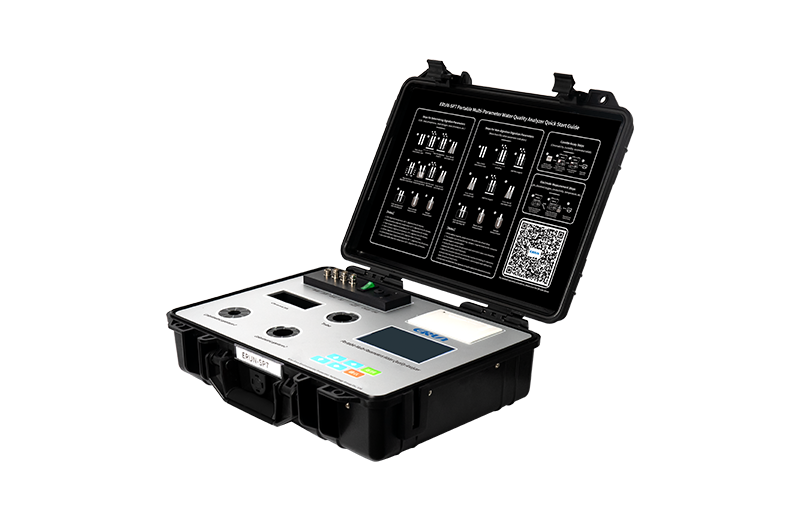
For organizations that require reliable field testing, the ERUN-SP7-K6 provides a solution tailored to professional needs.
With measurement accuracy of ±0.01 mg/L, this portable residual chlorine water quality tester delivers precise readings throughout the entire water supply chain—from source water to distribution networks.
This level of accuracy reduces compliance risk and ensures regulators and auditors receive dependable data.
The system employs advanced optoelectronic technology to ensure stable and consistent performance. Rapid on-site detection allows technicians to make immediate adjustments without waiting for laboratory results.
This helps customers:
Respond quickly to fluctuations
Avoid over-chlorination
Prevent under-disinfection
Maintain stable water safety standards
The device is widely used in:
Municipal water supply systems
Food and beverage production
Medical and pharmaceutical facilities
Petrochemical operations
By providing precise and authoritative residual chlorine monitoring, the ERUN-SP7-K6 supports operational efficiency, risk reduction, and long-term water quality assurance.
Instead of relying on approximate readings, users gain data-driven control.
Water systems often face:
Fluctuating chlorine demand in distribution networks
Risk of over-chlorination due to manual dosing
Inconsistent manual measurement methods
Portable, high-precision instruments reduce these risks by ensuring stable and repeatable readings.
So, What is residual chlorine in water? It is the protective measure that keeps drinking water safe long after initial treatment. But without careful monitoring, it can become either insufficient or excessive.
Maintaining the correct residual chlorine level requires accurate, reliable, and standardized testing methods. Professional solutions such as a high-precision residual chlorine analyzer provide the data necessary to safeguard public health, protect industrial systems, and maintain regulatory compliance.