


Ammonia nitrogen in drinking water is an issue that attracts increasing attention in municipal supply systems, especially in regions relying on surface water sources or chloraminated disinfection. Although ammonia itself is not typically regulated as a primary toxic contaminant at low concentrations, its presence can significantly influence water treatment efficiency, disinfectant stability, and overall distribution system safety. Understanding why ammonia nitrogen appears in drinking water requires examining natural processes, human activities, and water treatment practices under international regulatory frameworks such as the World Health Organization Guidelines for Drinking-water Quality, the Safe Drinking Water Act (SDWA), and China’s GB 5749-2022.
Ammonia nitrogen commonly originates from the natural nitrogen cycle. Organic matter decomposition in soil and water releases ammonia as proteins and nitrogen-containing compounds break down. In surface water bodies such as rivers and reservoirs, microbial activity converts organic nitrogen into ammonia through ammonification. Groundwater may also contain ammonia due to anaerobic conditions that limit nitrification.
Agricultural runoff further increases ammonia levels. Fertilizers rich in nitrogen compounds seep into water sources during rainfall events. In areas with intensive livestock farming, animal waste becomes another major contributor. These inputs elevate background ammonia concentrations before water even enters the treatment plant.
Regulatory bodies recognize this variability. The World Health Organization notes that ammonia concentrations in raw water can fluctuate significantly depending on environmental conditions, though it does not establish a strict health-based guideline value due to ammonia’s relatively low direct toxicity at typical levels.
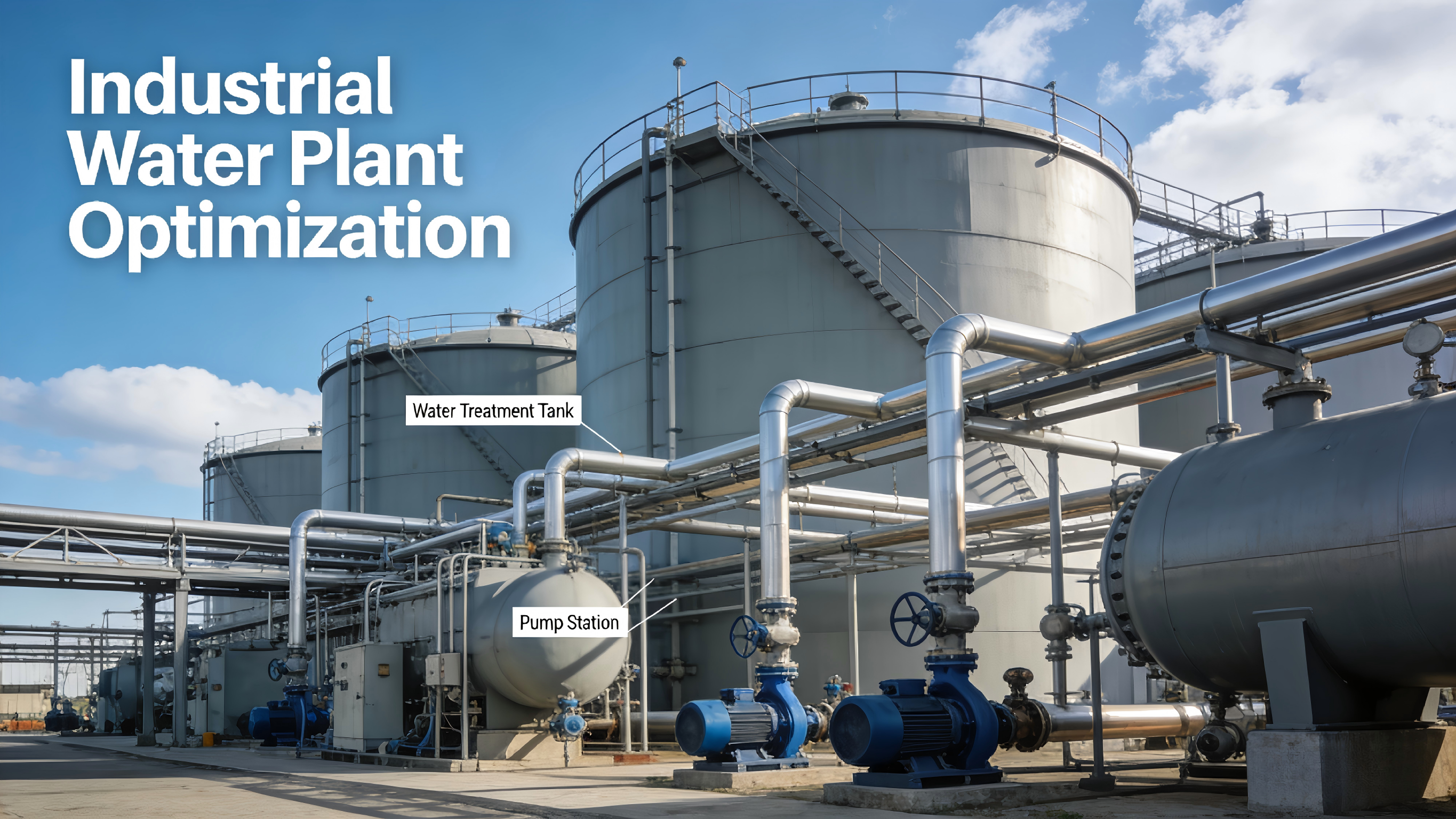
In many municipal systems, ammonia is intentionally introduced during treatment. When combined with chlorine, ammonia forms chloramines, which serve as secondary disinfectants. Chloramination provides longer-lasting residual protection in distribution networks and reduces the formation of trihalomethanes compared with free chlorine.
Under the Safe Drinking Water Act, utilities must maintain disinfectant residuals throughout distribution systems to control microbial contamination. Chloramine formation requires careful dosing of ammonia. If dosing is imbalanced, excess ammonia nitrogen may remain in finished water.
China’s GB 5749-2022 also includes limits on ammonia (expressed as NH3-N) in finished drinking water, emphasizing operational control to prevent nitrification in pipelines. Residual ammonia can stimulate nitrifying bacteria growth, converting ammonia to nitrite and nitrate—compounds that are strictly regulated due to health risks.
Even when source water is well treated, ammonia nitrogen can develop within the distribution network. Aging pipes, biofilm formation, and temperature fluctuations promote microbial growth. Nitrifying bacteria oxidize ammonia to nitrite and nitrate in a process known as nitrification. This phenomenon reduces disinfectant residuals and can compromise microbiological safety.
Systems using chloramine are particularly vulnerable. If ammonia concentrations exceed chlorine availability, free ammonia remains available for microbial metabolism. Utilities therefore conduct routine ammonia monitoring to prevent nitrification events.
The table below outlines key pathways of ammonia nitrogen presence:
Source of Ammonia Nitrogen | Mechanism | Operational Impact |
Natural organic decay | Ammonification in water bodies | Elevated raw water levels |
Agricultural runoff | Fertilizer leaching | Seasonal spikes |
Chloramination | Intentional ammonia dosing | Residual imbalance risk |
Pipe biofilms | Microbial nitrification | Disinfectant loss |
Industrial discharge and insufficient wastewater treatment may introduce ammonia into surface waters. Domestic sewage contains high levels of nitrogen compounds that degrade into ammonia. Although modern treatment plants remove most ammonia through biological nitrification and denitrification, incomplete processes or accidental releases can elevate concentrations downstream.
Regions with rapid urbanization often face higher ammonia nitrogen variability. Water utilities in such contexts must strengthen monitoring to ensure compliance with regulatory standards and maintain treatment efficiency.
Although ammonia itself has relatively low direct toxicity at typical drinking water concentrations, it plays a decisive role in water chemistry. Elevated ammonia nitrogen can:
Interfere with chlorination efficiency
Increase disinfectant demand
Promote nitrification
Lead to taste and odor complaints
Cause regulatory non-compliance if nitrite forms
International guidelines emphasize preventive monitoring rather than reactive correction. Field testing enables operators to respond quickly to abnormal fluctuations, especially during seasonal changes or operational adjustments.
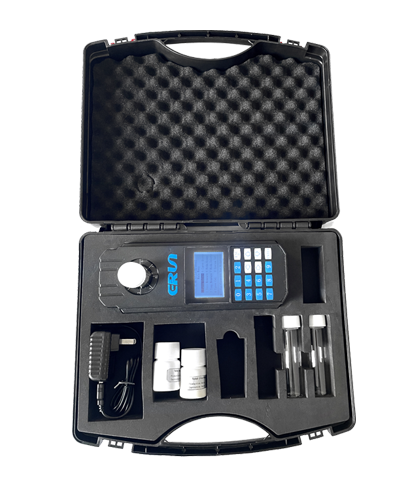
For on-site monitoring, portable analytical solutions offer practical advantages. The Environmental Protection Portable Ammonia Nitrogen Analyzer (Model: ERUN-SP5-E6) is designed for rapid and accurate field detection. With a measuring range of 0.02–25 mg/L and ±3% full-scale accuracy, it supports municipal plants, environmental inspections, and emergency assessments. Its compact 500 g body, IP65-rated ABS housing, cold light source optical system, and ability to store 199 data records make it suitable for both routine inspection and remote site testing. By eliminating the need for laboratory transport, it significantly reduces response time and operational cost.
The presence of ammonia nitrogen reflects a combination of environmental conditions and operational strategies. Effective source protection, optimized chloramine control, and continuous monitoring are essential components of modern water safety management. Regulatory frameworks such as those issued by the World Health Organization, enforced under the Safe Drinking Water Act, and defined in GB 5749-2022 collectively highlight the importance of maintaining stable ammonia nitrogen levels to safeguard public health.
Maintaining control over ammonia nitrogen in drinking water is not merely a compliance task but a proactive strategy to ensure disinfection stability, infrastructure protection, and long-term supply safety.