


Keeping your pool water clean and safe requires more than just adding chemicals. If you want healthy swimming conditions and clear water, understanding how to test for chlorine in a pool is essential.
Chlorine acts as a disinfectant, killing bacteria, viruses, and algae. However, both excessive and insufficient chlorine levels can cause problems. Accurate pool water testing ensures optimal water balance and protects swimmers as well as pool equipment.
A regular pool chlorine test helps:
Prevent bacterial contamination
Avoid algae growth
Maintain water clarity
Reduce health risks for swimmers
Without proper testing, maintaining the right chlorine level in pool water becomes guesswork.
For most residential and commercial pools, the recommended safe chlorine levels range from 1–3 ppm (parts per million).
It is also important to understand:
Free chlorine (active disinfectant)
Combined chlorine (ineffective chlorine bound to contaminants)
Total chlorine (sum of free and combined chlorine)
When combined chlorine is too high, swimmers may notice a strong odor and eye irritation.
There are several ways to test chlorine levels:
1. Test Strips
Quick and affordable, but often less precise. Color comparison may vary by user.
2. Liquid Test Kits (DPD Method)
More accurate than strips but require manual reagent mixing and interpretation.
3. Digital Pool Water Tester
Provides electronic readings, reduces subjective errors, and delivers improved accuracy for consistent pool water quality management.
Residential pools: 2–3 times per week
Commercial pools: Daily or more frequently
After heavy usage or rainfall: Immediate testing recommended
Consistent monitoring is key to stable water chemistry.

Low chlorine levels may lead to:
Cloudy water
Algae formation
Bacterial growth
This compromises swimmer safety and increases maintenance costs.
Excess chlorine can cause:
Skin dryness and irritation
Red, itchy eyes
Strong chemical odor
Pool equipment corrosion
Maintaining balanced safe chlorine levels not only protects swimmers but also extends the lifespan of pool systems
When comparing options, accuracy and reliability matter. Basic strips may work for casual users, but commercial facilities and serious pool managers require dependable chlorine testing equipment.
A professional-grade tester offers:
Higher measurement accuracy
Clear digital display
Data storage for record keeping
Reduced human interpretation errors
For hotels, aquatic centers, and property management companies, precision testing prevents compliance issues and minimizes chemical waste.
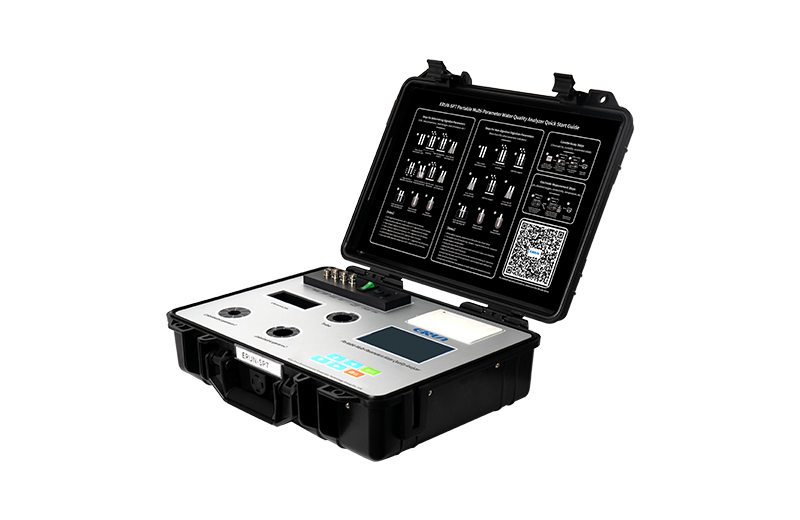
For operators looking for reliable performance, the ERUN-SP7-C4 portable water chloride tester provides a practical solution for fast and precise chlorine-related measurements in water.
One major advantage is its ability to support efficient on-site testing. Instead of relying on subjective color comparison, users receive clear digital results that improve confidence in decision-making. This is particularly beneficial for facilities that require consistent and documented pool water testing.
The instrument also offers expandable customizable parameters, allowing broader water analysis beyond chlorine when necessary. This flexibility supports comprehensive pool water quality management without investing in multiple devices.
Large-capacity detection data storage ensures that measurement results are retained for operational tracking. The automatic data backup function further protects historical records, making it easier for commercial pool operators to maintain compliance documentation and internal reporting.
For professionals seeking durable and portable chlorine testing equipment, having reliable data storage and accurate on-site measurement significantly improves efficiency and water safety control.
Testing chlorine is only one part of the equation. Proper maintenance also involves:
If pH levels are too high or too low, chlorine becomes less effective. The ideal pH range is typically 7.2–7.6.
Add chemicals gradually and retest after adjustments. Avoid overcorrection to maintain stable water conditions.
Regular pool chlorine test routines reduce the risk of sudden imbalances and costly corrections.
Accurate pool water testing is especially important for:
Residential pool owners
Hotels and resorts
Public swimming facilities
Property management companies
Aquatic training centers
Any facility responsible for swimmer safety benefits from consistent and precise chlorine level in pool monitoring.
Understanding how to test for chlorine in a pool is crucial for safe swimming conditions, chemical balance, and long-term cost control.
Maintaining proper safe chlorine levels helps protect swimmers, prevent algae growth, and preserve equipment. While basic test kits offer convenience, professional chlorine testing equipment provides improved accuracy, reliable data storage, and enhanced operational control.
By adopting dependable and efficient pool water testing solutions, pool operators can ensure consistent water quality, regulatory compliance, and peace of mind throughout the swimming season.