


Nitrate contamination is one of the most common groundwater issues worldwide. Because it is colorless, odorless, and tasteless, many people are unaware of its presence. However, the side effects of nitrates in water can be serious, especially when contamination goes undetected.
Understanding the risks of nitrates in drinking water and implementing reliable monitoring solutions is essential for municipalities, industries, agricultural operations, and private well owners.
Nitrates are naturally occurring inorganic compounds composed of nitrogen and oxygen. They enter water systems through:
Agricultural fertilizers and runoff
Livestock waste and septic systems
Industrial discharge
Natural soil nitrogen breakdown
Due to their high solubility, nitrates easily move into groundwater and surface water. Areas with intensive farming or shallow wells are particularly vulnerable to high nitrate levels.
Because nitrate contamination cannot be detected without testing, routine nitrate water testing is the only reliable way to ensure safety.
One of the most well-known side effects of nitrates in water is methemoglobinemia, often called “blue baby syndrome.” This condition primarily affects infants and reduces the blood’s ability to carry oxygen. Symptoms may include:
Shortness of breath
Bluish skin discoloration
Fatigue and lethargy
Infants under six months are especially vulnerable because their digestive systems can convert nitrates into harmful nitrites more easily.
Extended exposure to high nitrate levels may contribute to broader health risks. While research continues, regulatory agencies maintain strict limits because of potential links to chronic health conditions.
To protect public health, agencies have established safe nitrate levels in drinking water, typically limited to 10 mg/L (as nitrogen). Exceeding this concentration can result in regulatory violations and public warnings.
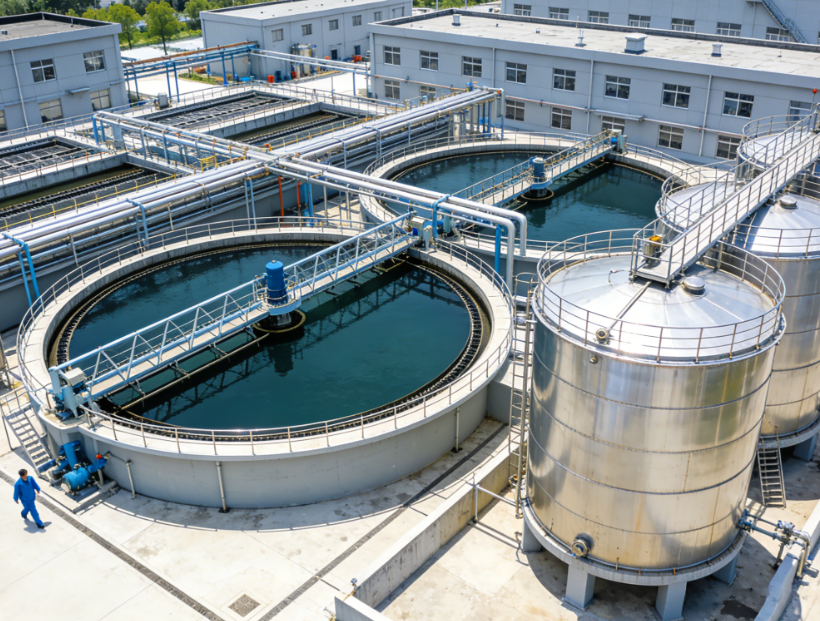
The impact of nitrate contamination is not limited to human health. Excessive nitrates discharged into rivers and lakes contribute to eutrophication.
When algae grow rapidly due to nutrient overload, oxygen in the water becomes depleted. This can cause:
Fish kills
Biodiversity loss
Ecosystem imbalance
For wastewater facilities and agricultural operations, proper nitrate monitoring is critical to preventing environmental damage and maintaining compliance with discharge regulations.
One major challenge is that nitrates in drinking water cannot be detected by sight, smell, or taste. Clear water may still contain harmful concentrations.
Home test strips may provide rough estimates, but they often lack the precision required for regulatory reporting or industrial control. Accurate nitrate water testing requires reliable instruments capable of producing consistent and documented results.
Without a dependable water quality monitoring system, contamination may persist unnoticed.
For professionals responsible for maintaining water safety, efficiency and reliability are critical.
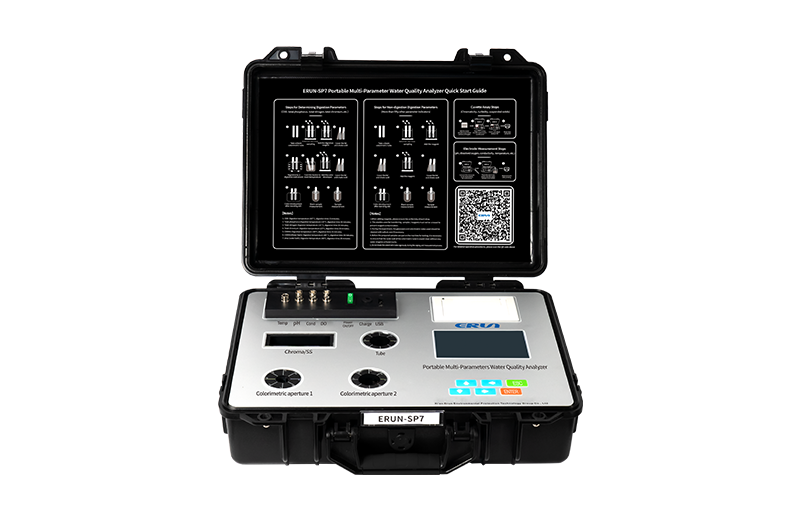
The ERUN-SP7 portable multi-parameter detector provides a practical solution to the challenges of nitrate monitoring. Its automatic wavelength selection eliminates the need for manual adjustment during measurement. This reduces operator error and simplifies testing procedures, particularly for field personnel.
The 5.0-inch LCD screen directly displays concentration values, ensuring readings are clear and easy to interpret. With multilingual display options, the instrument supports diverse operational environments.
Portability is a key advantage. Since many nitrate issues arise in wells, agricultural sites, or discharge points, on-site measurement is essential. A portable nitrate tester allows technicians to conduct immediate tests without waiting for laboratory results. This improves response time and reduces compliance risk.
The device also supports data recording, saving, and statistical processing. For organizations required to maintain documentation and trend analysis, this helps streamline reporting and improve operational oversight.
By combining portability, automated functionality, and multi-parameter capability, users can manage nitrate risks more efficiently while controlling costs.
Routine nitrate water testing is particularly important for:
Municipal drinking water suppliers
Agricultural irrigation systems
Industrial wastewater treatment plants
Environmental monitoring agencies
Private well owners
Each of these users faces potential health, environmental, or regulatory consequences if high nitrate levels go unchecked.
The side effects of nitrates in water range from infant health risks to environmental damage and regulatory penalties. Because contamination is invisible, consistent nitrate monitoring is essential.
Maintaining safe nitrate levels in drinking water requires accurate measurement, reliable documentation, and timely response. A professional water quality monitoring system that supports on-site testing and multi-parameter analysis empowers organizations to protect health, safeguard ecosystems, and meet compliance standards efficiently.
By investing in precise and portable testing solutions, facilities can proactively manage nitrate risks rather than reacting after problems occur.