


Nitrate contamination is one of the most common yet invisible water quality problems worldwide. Many facility managers, municipal operators, and environmental professionals ask: why test nitrate in water if it cannot be seen, smelled, or tasted?
The answer lies in public health, regulatory compliance, and environmental responsibility. Proper nitrate water testing ensures water is safe for consumption, prevents ecological damage, and helps organizations avoid costly violations.
Nitrate in drinking water typically originates from agricultural fertilizers, livestock runoff, septic systems, industrial discharge, and natural soil processes. Rainfall can wash these nitrates into groundwater, rivers, and reservoirs.
Because nitrates dissolve easily, they are difficult to detect without proper testing.
Excess nitrate poses serious health concerns, especially for infants. High levels can cause methemoglobinemia, commonly known as “blue baby syndrome,” which reduces the blood’s ability to carry oxygen. Long-term exposure may also contribute to broader health risks.
This is why regulatory agencies have established safe nitrate levels in drinking water, typically limited to 10 mg/L (as nitrogen). Exceeding this threshold can result in legal penalties and public health alerts.
If you do not test, you cannot detect changes in nitrate levels. Groundwater conditions, seasonal agricultural activity, and wastewater discharge can all cause fluctuations. Without consistent nitrate monitoring, contamination may go unnoticed until it becomes a serious issue.
Regulatory standards define maximum contaminant levels to protect communities. Maintaining compliance requires routine measurement rather than occasional checks.
Testing frequency may vary:
Private wells: at least annually
Municipal water systems: routine regulatory schedules
Industrial facilities: according to discharge permits
Agricultural operations: seasonal or event-based
Consistent nitrate water testing ensures organizations maintain safe operations and avoid sudden compliance failures.
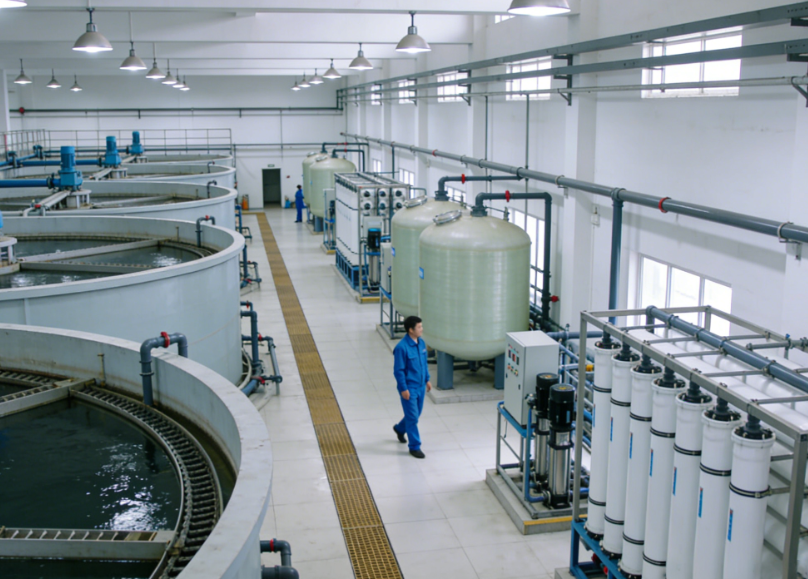
Traditional laboratory testing offers high precision but often involves sample transport and delayed results. For time-sensitive decisions, this delay can pose operational risks.
Field test strips provide rapid results but may lack the precision required for regulatory documentation or industrial process control.
This is why on-site water testing with reliable instruments has become increasingly important. Portable devices allow professionals to measure nitrate concentrations immediately, supporting faster response and more efficient management.
For professionals responsible for water quality monitoring system management, efficiency and accuracy are equally important.
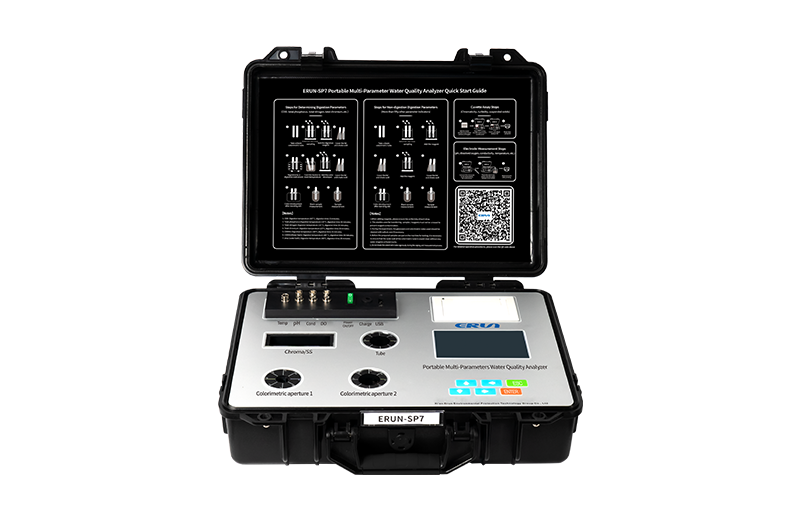
The ERUN-SP7 portable multi-parameter water quality detector is designed to address common challenges in nitrate testing. One of its key advantages is automatic wavelength selection during sample measurement. This eliminates manual adjustment, reduces operator error, and simplifies testing procedures—especially valuable for field personnel working in varying conditions.
The 5.0-inch large LCD screen displays concentration values directly, making readings clear and easy to interpret. Multilingual options support broader operational environments. For technicians conducting frequent nitrate monitoring, this improves workflow efficiency and minimizes interpretation mistakes.
Portability is another essential solution it provides. Since nitrate contamination often needs to be assessed on-site—whether at wells, discharge outlets, or treatment facilities—the ability to conduct reliable on-site water testing reduces delays and enhances decision-making.
Beyond nitrate analysis, the device supports expansion and customization for heavy metals and inorganic salts, including COD, ammonia nitrogen, total phosphorus, nitrite, sulfate, turbidity, and more. This multi-parameter capability helps organizations consolidate equipment, reduce costs, and streamline compliance processes. Instead of managing multiple separate instruments, users can rely on one integrated solution tailored to their testing needs.
Routine nitrate water testing is essential for:
Municipal drinking water suppliers
Agricultural irrigation systems
Aquaculture operations
Industrial wastewater treatment plants
Environmental monitoring agencies
Private well owners
Each of these sectors faces different operational pressures, but all share one common responsibility: maintaining water safety and meeting environmental standards.
Testing ensures compliance with safe nitrate levels in drinking water, reducing health risks and protecting communities.
Proper documentation from accurate nitrate monitoring reduces the likelihood of penalties and inspections.
Real-time data supports proactive adjustments in treatment systems, reducing corrective costs.
By controlling nitrate discharge, organizations help prevent eutrophication and ecological damage in downstream ecosystems.
So, why test nitrate in water? Because nitrate contamination is invisible, potentially dangerous, and legally regulated.
Reliable nitrate water testing protects public health, ensures compliance, and supports sustainable environmental management. Portable solutions that enable accurate on-site water testing provide faster decision-making and greater operational efficiency.
By implementing a dependable water quality monitoring system, organizations can confidently manage nitrate risks while optimizing performance and meeting regulatory expectations.