


The question is ozone healthy in water is increasingly important as ozone is widely used in drinking water treatment, swimming pools, and industrial water systems. Ozone is known for its strong disinfection ability, but like any powerful oxidant, its safety depends on proper control and accurate measurement.
This article explains how ozone in water works, when it is beneficial, when it may pose risks, and why precise monitoring is essential for safe and efficient ozone water treatment.
Ozone (O₃) is a highly reactive form of oxygen that dissolves in water and breaks down organic contaminants, bacteria, and viruses. Unlike traditional disinfectants, ozone reacts quickly and leaves no long-term chemical residue.
Once dissolved, ozone oxidizes microorganisms and organic compounds within seconds. After disinfection, it naturally decomposes back into oxygen, making ozone in water an environmentally friendly choice.
Ozone water treatment is widely applied in:
Drinking water disinfection
Swimming pools and spas
Industrial process water
Wastewater and reuse systems
Its fast reaction speed and strong oxidation capacity make ozone especially effective where high sanitation standards are required.
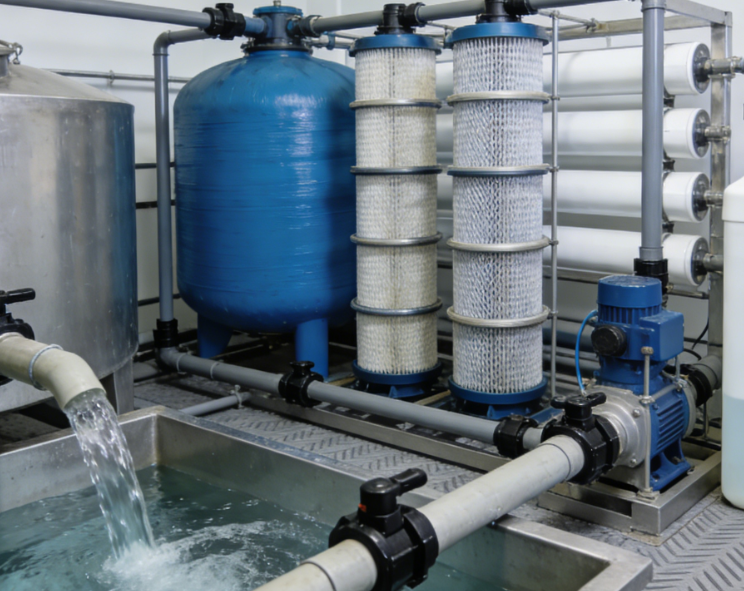
So, is ozone healthy in water? The answer depends on concentration and control.
When maintained within safe limits, ozone:
Effectively eliminates bacteria, viruses, and pathogens
Improves water taste and odor
Reduces reliance on chlorine and chemical disinfectants
Properly treated ozone water is safe for consumption and recreational use.
Problems arise when ozone concentration is not controlled. Excessive ozone levels can:
Cause irritation in drinking or recreational water systems
Indicate system malfunction or dosing errors
This is why real-time monitoring is critical in ozone-based systems.
Compared to chlorine, ozone works faster and produces fewer harmful disinfection by-products. Chlorine remains in water longer, which helps maintain residual disinfection but may cause taste, odor, and skin irritation.
Ozone, on the other hand, requires precise control because it dissipates quickly. This makes accurate monitoring essential for ensuring safety while maintaining effective disinfection.
Safe ozone concentrations vary depending on application:
Drinking water systems require tightly controlled ozone levels
Industrial and process water may allow higher, regulated limits
Because ozone reacts and decomposes rapidly, relying on intermittent manual testing can lead to blind spots. Continuous monitoring ensures ozone remains within safe and effective ranges at all times.
Many conventional methods require membranes, reagents, or frequent calibration. These approaches can suffer from:
Sensor drift
High maintenance costs
Slow response times
These limitations increase operational risk, especially in systems where ozone concentration fluctuates rapidly.
An online ozone monitor provides continuous, real-time data, allowing operators to:
Detect abnormal ozone levels immediately
Optimize disinfection efficiency
Reduce safety and compliance risks
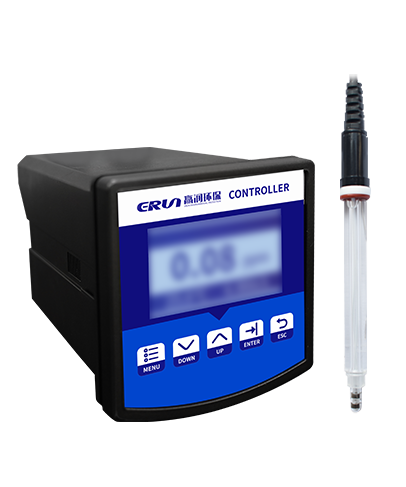
The ERUN Water Quality Ozone Online Monitor (Model: ERUN-SZ1-A-K3) is designed to address the real challenges users face in ozone water systems.
Instead of relying on traditional membrane-based technology, it uses a non-membrane constant voltage sensor, eliminating the need for frequent diaphragm or reagent replacement. This significantly reduces maintenance workload while maintaining high sensitivity and fast signal response.
For water treatment operators, the system provides:
Stable, real-time ozone and temperature measurements
Reliable performance even under continuous operation
Simple English menu operation for easy daily use
By delivering accurate readings with minimal maintenance, the online ozone monitor helps users maintain safe ozone levels, optimize disinfection, and avoid costly system failures.
Summary: Is Ozone Healthy in Water When Properly Managed?
In conclusion, is ozone healthy in water? Yes—when ozone concentration is properly controlled and continuously monitored. Ozone offers powerful disinfection without harmful residues, but its effectiveness and safety depend on accurate measurement.
By using a reliable online ozone monitor, water treatment operators can ensure stable ozone levels, protect public health, and improve overall water quality management with confidence.