


In modern wastewater treatment, what you can’t see often poses the greatest risk. Among various pollutants, ammonia nitrogen stands as one of the most critical indicators of treatment efficiency and environmental health.
If you are an operator, engineer, or environmental manager, understanding why ammonia nitrogen is tested in wastewater is not just about checking a box—it is about preventing ecological disasters and ensuring operational success.
Ammonia nitrogen (NH3-N) refers to nitrogen present in two forms: free ammonia (NH3) and ammonium ions (NH4+). It typically enters the waste stream through:
Domestic sewage (urea and protein breakdown)
Industrial effluents (chemical and fertilizer manufacturing)
Agricultural runoff
Landfill leachate
Because it is highly soluble, it moves rapidly through aquatic systems, making immediate detection and control a top priority.
Why is ammonia nitrogen tested in wastewater treatment? Primarily because it acts as a "health check" for your biological processes. High levels in the effluent usually signal that the nitrification process—where microbes convert ammonia to nitrate—is failing due to pH imbalances, low dissolved oxygen, or cold temperatures.
Ammonia is highly toxic to fish and invertebrates. Unlike other nutrients, it can cause immediate "acute toxicity," damaging fish gills and affecting their internal organ function. Monitoring ensures that treated water does not turn receiving streams into "dead zones."
Nitrogen is a primary nutrient. When discharged in excess, it fuels algal blooms. These blooms deplete oxygen in the water (hypoxia), leading to massive fish kills and the degradation of water quality.
Global environmental agencies (like the EPA or EEA) impose strict discharge limits on ammonia nitrogen. Consistent ammonia nitrogen testing in wastewater is a legal requirement.
The Risk: Failure to monitor can lead to heavy fines, legal action, and the loss of operating permits.
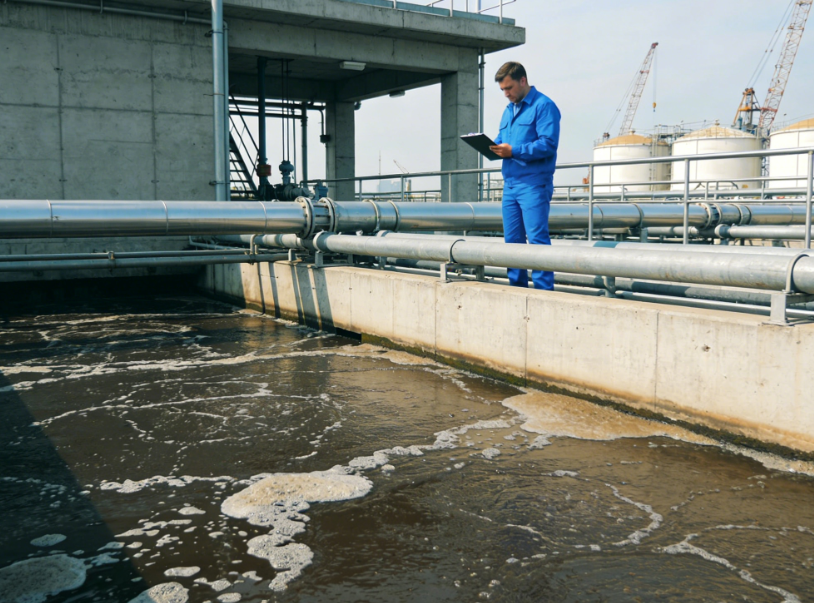
Without a robust wastewater ammonia nitrogen monitoring strategy, facilities face:
Hidden System Failures: Sudden spikes can kill the biomass in your secondary treatment, leading to weeks of downtime.
Increased Costs: Over-treating with chemicals to fix a late-detected spike is far more expensive than proactive monitoring.
Reputational Damage: Environmental violations are public record and can harm a company’s standing in the community.
Standard methods like the Nessler method or Salicylic Acid method are the gold standards for accuracy. However, they involve:
Transportation of samples (which can change chemically during transit).
Long wait times for results.
The need for specialized lab technicians.
To bridge the gap between "sampling" and "knowing," many facilities are turning to portable solutions.
For facilities that need to make real-time decisions, the ERUN-SP5-E6 Portable Ammonia Nitrogen Analyzer is a game-changer. It is designed to solve the common "data lag" found in traditional testing.
Instant Results: No more waiting days for lab reports; get data in minutes.
Versatility: Perfect for surface water, groundwater, and industrial effluent.
Cost-Effective: Reduces the frequency of expensive third-party lab tests.
User-Friendly: Designed for field operators, not just laboratory chemists.
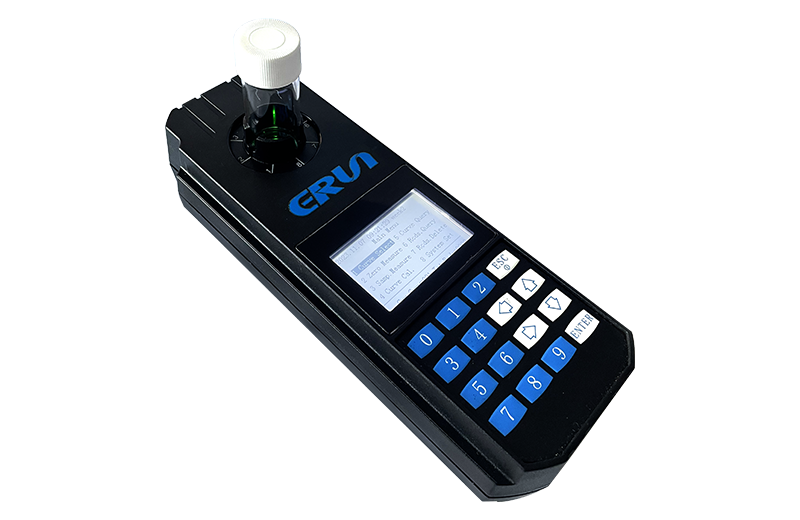
When selecting an ammonia nitrogen test for wastewater, prioritize these four factors:
Measurement Range: Ensure it can detect both low levels for discharge and high levels for raw influent.
Durability: Field equipment must withstand humidity and temperature fluctuations.
Data Logging: The ability to store and export results for compliance reporting.
Ease of Use: Simple reagent systems (like powder pillows or tablets) reduce human error.
Understanding why ammonia nitrogen is tested in wastewater is the first step toward a more sustainable and compliant operation. By combining regular laboratory analysis with rapid on-site tools like the ERUN-SP5-E6, you can protect the environment while optimizing your plant's performance.
Are you ready to streamline your monitoring process? Contact us today for a demo of our portable testing solutions or a quote for your facility:
WhatsApp / Tel: +86 181 8913 5710
Email: [email protected]