


The ammonia nitrogen test in wastewater is a critical step in modern water quality management. Whether in municipal wastewater treatment plants or industrial effluent control, ammonia nitrogen levels directly affect environmental safety, regulatory compliance, and treatment efficiency. Excess ammonia nitrogen not only harms aquatic ecosystems but can also lead to serious discharge violations.
In this article, we’ll explain what ammonia nitrogen is, how it is tested, and why portable on-site testing is becoming the preferred solution. We’ll also explore how the ERUN-SP5-E6 portable analyzer helps wastewater professionals achieve faster, more reliable results while reducing operational costs.
Ammonia nitrogen refers to nitrogen present in wastewater in the form of ammonia (NH₃) and ammonium ions (NH₄⁺). It mainly originates from domestic sewage, agricultural runoff, and industrial wastewater such as chemical manufacturing, food processing, and fertilizer production.
Monitoring ammonia nitrogen wastewater levels helps operators evaluate organic pollution, nitrification efficiency, and overall treatment performance. Sudden changes in ammonia nitrogen concentrations often signal process instability or upstream contamination.
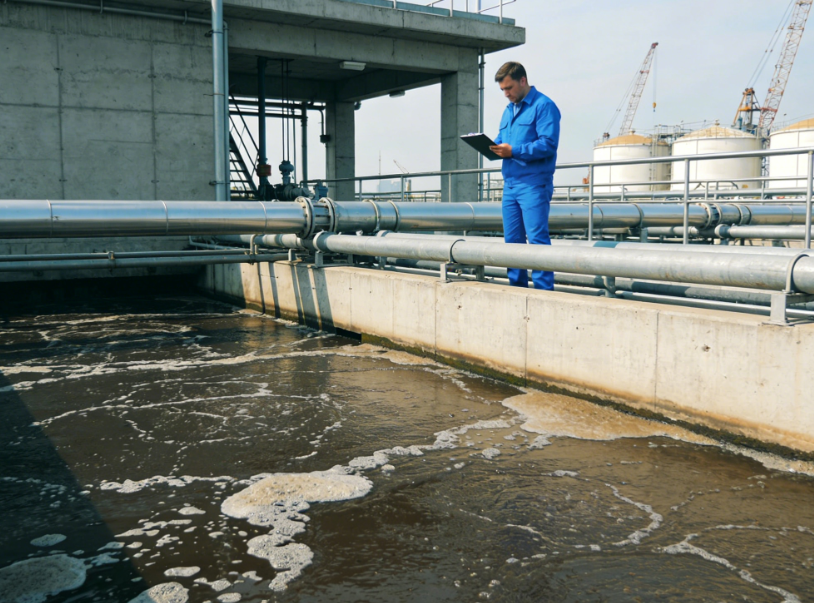
High ammonia nitrogen concentrations are toxic to fish and aquatic organisms, even at low levels. From a regulatory perspective, many discharge standards strictly limit ammonia nitrogen, making accurate testing essential. Failure to control ammonia nitrogen can lead to penalties, forced shutdowns, and increased treatment costs.
The Nessler reagent method is a classic laboratory technique for ammonia nitrogen determination. It offers high sensitivity but relies on mercury-containing reagents and requires skilled lab operation. This makes it less suitable for routine field testing.
The salicylic acid method is widely used in modern instruments due to its improved safety and stable accuracy. It is suitable for a broad range of ammonia nitrogen testing methods, especially when combined with portable analyzers.
Laboratory testing provides high precision but involves sample transportation, time delays, and higher costs. In contrast, on-site testing enables real-time monitoring, allowing operators to respond immediately to abnormal ammonia nitrogen levels.
During sample transportation, ammonia nitrogen levels can change due to volatilization or biological activity. These delays increase the risk of inaccurate results and missed compliance deadlines.
Using a portable ammonia nitrogen analyzer allows wastewater operators to measure key parameters directly in the field. This enables faster decision-making, improves treatment efficiency, and reduces compliance risks—especially during inspections or emergency situations.
The ERUN-SP5-E6 portable ammonia nitrogen analyzer is designed specifically for rapid field-based ammonia nitrogen test in wastewater. Its lightweight structure and intuitive operation allow users to complete measurements on-site without specialized laboratory training.
This analyzer is suitable for surface water, groundwater, domestic sewage, and industrial wastewater. Its versatility makes it a reliable tool for environmental monitoring teams, plant operators, and third-party testing agencies.
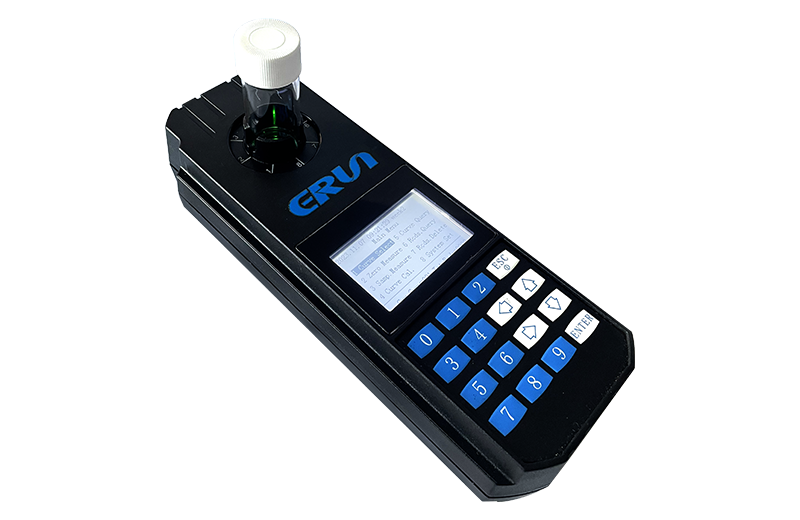
One of the biggest challenges in wastewater management is balancing speed with accuracy. The ERUN-SP5-E6 delivers reliable readings within minutes, helping users quickly identify ammonia nitrogen fluctuations and take corrective action.
By eliminating the need for sample shipment and laboratory outsourcing, this ammonia nitrogen analyzer for wastewater significantly reduces testing costs. It also simplifies workflows, allowing one technician to perform multiple tests in a single visit.
Operators use on-site ammonia nitrogen testing to optimize biological treatment processes and ensure stable discharge compliance.
For industrial facilities, portable testing supports internal process control and rapid response during regulatory inspections, minimizing operational risk.
The ammonia nitrogen test in wastewater is essential for environmental protection and regulatory compliance. Portable testing solutions like the ERUN-SP5-E6 offer a faster, more cost-effective approach than traditional laboratory methods. By enabling accurate on-site measurements, wastewater professionals can respond quickly to changes, improve treatment performance, and reduce long-term operating costs.