


Dissolved oxygen (DO) is often discussed in the context of surface water and aquatic ecosystems, yet its role in drinking water quality is frequently overlooked. While low dissolved oxygen does not usually pose a direct toxic risk to human health, it can significantly influence the stability, taste, safety, and infrastructure performance of drinking water systems. International drinking water guidelines, including the Guidelines for Drinking-water Quality and the Safe Drinking Water Act (SDWA), recognize dissolved oxygen as an important operational and water quality indicator rather than a regulated contaminant. Understanding how low dissolved oxygen affects drinking water quality is essential for water utilities, treatment facilities, and laboratories responsible for ensuring safe and reliable water supplies.
Dissolved oxygen refers to the amount of molecular oxygen present in water, typically expressed in milligrams per liter (mg/L) or parts per million (ppm). In drinking water systems, dissolved oxygen levels are influenced by source water type, temperature, treatment processes, and distribution conditions. Groundwater sources often contain lower dissolved oxygen due to limited contact with the atmosphere, while surface water sources generally show higher concentrations.
International guidelines do not set a health-based limit for dissolved oxygen in drinking water. The World Health Organization emphasizes that dissolved oxygen is mainly relevant for operational control, corrosion management, and microbial stability rather than direct consumer safety. Similarly, under the SDWA framework, dissolved oxygen is not classified as a primary or secondary contaminant but remains a key parameter for system performance monitoring.
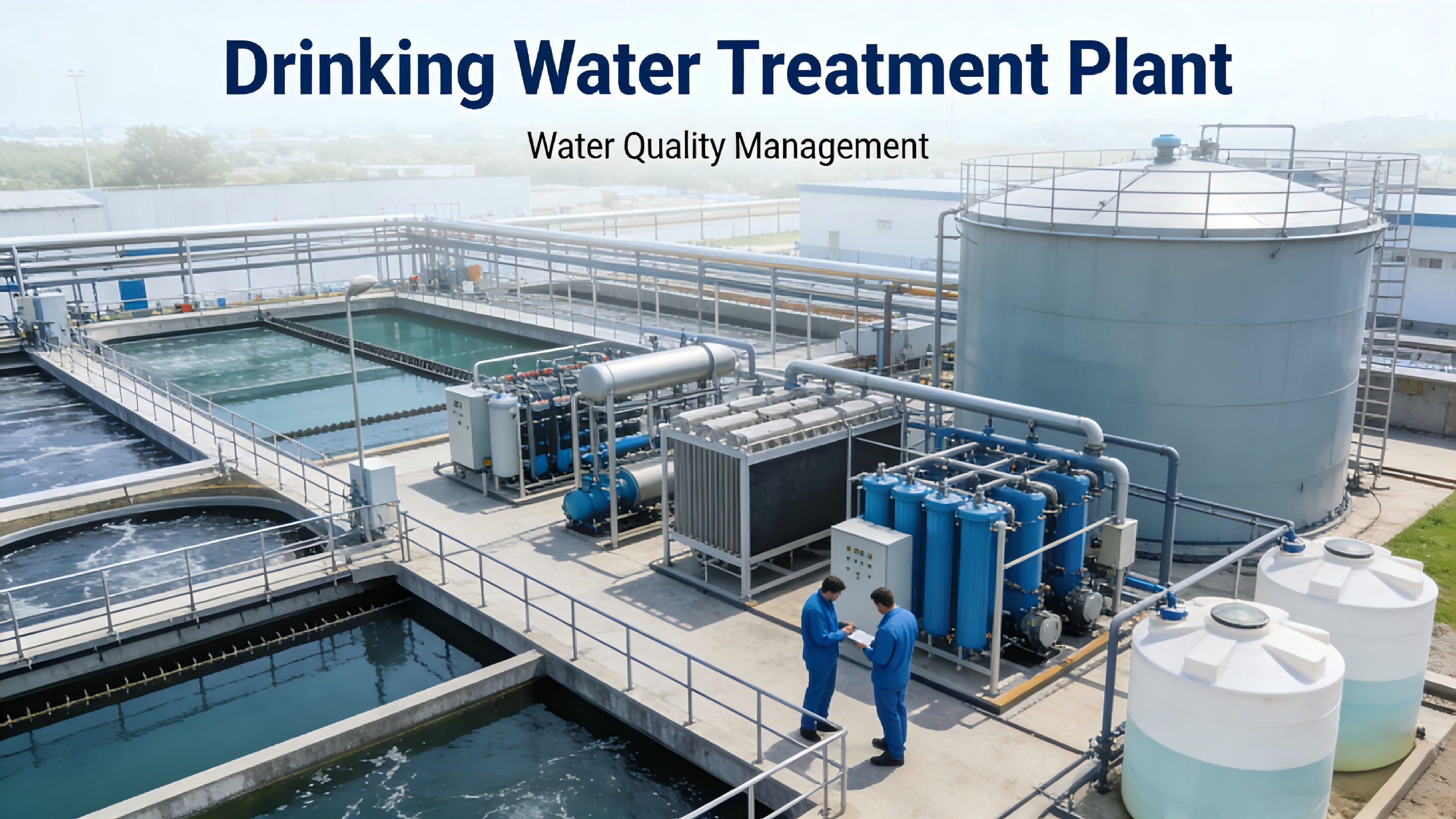
Low dissolved oxygen can indirectly affect drinking water quality through several interconnected mechanisms. One of the most important impacts is related to corrosion in pipelines and storage systems. Oxygen levels influence electrochemical reactions on metal surfaces, and insufficient dissolved oxygen may accelerate anaerobic corrosion processes, leading to the release of iron, manganese, or other metals into the water.
Taste and odor issues are also associated with low dissolved oxygen conditions. Water with reduced oxygen levels may develop flat or unpleasant sensory characteristics, particularly when combined with elevated iron, sulfides, or organic matter. Although these changes are not typically hazardous, they can undermine consumer confidence in drinking water quality.
Low dissolved oxygen can also create favorable conditions for certain microorganisms. While pathogenic bacteria are primarily controlled through disinfection, low-oxygen environments may support biofilm development inside distribution systems. Biofilms can harbor microorganisms, reduce disinfectant effectiveness, and contribute to water quality deterioration over time.
Although dissolved oxygen is not directly regulated under WHO guidelines or the SDWA, both frameworks highlight the importance of maintaining stable water chemistry throughout treatment and distribution. Dissolved oxygen interacts closely with other monitored parameters such as residual disinfectants, pH, oxidation-reduction potential, and metal concentrations.
Water utilities often establish internal dissolved oxygen targets to support corrosion control strategies and maintain consistent water quality. Monitoring dissolved oxygen helps operators evaluate treatment efficiency, detect changes in source water conditions, and identify potential risks before they escalate into compliance or infrastructure issues.
The table below illustrates common dissolved oxygen ranges observed in drinking water systems and their potential implications:
Dissolved Oxygen Level (mg/L) | Typical Condition | Potential Impact on Drinking Water |
< 2.0 | Very low oxygen | Increased corrosion risk, biofilm growth |
2.0 – 5.0 | Low to moderate | Possible taste changes, operational concerns |
5.0 – 9.0 | Normal range | Stable water quality, good system performance |
> 9.0 | High oxygen | Enhanced oxidation, possible metal precipitation |
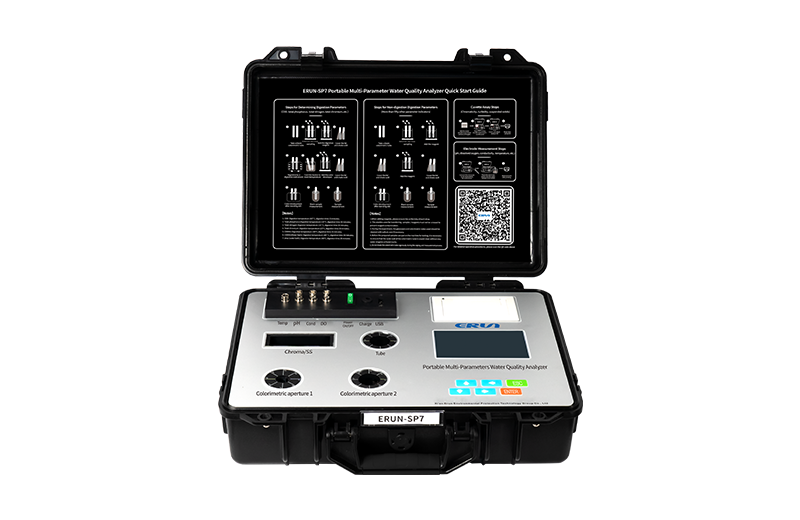
Reliable dissolved oxygen monitoring is essential for understanding system behavior and maintaining drinking water quality. Portable dissolved oxygen testers allow operators and technicians to conduct on-site measurements across multiple locations, including treatment plants, storage tanks, and distribution networks.
The Erun ERUN-SP7-A5 Portable Water Quality Dissolved Oxygen Tester is designed for precise and efficient dissolved oxygen measurement in drinking water applications. Using the oxygen electrode method, the device measures dissolved oxygen concentration (mg/L or ppm), oxygen saturation percentage, and temperature. With a measuring range of 0.0–20.0 mg/L and an accuracy of ±0.02 mg/L, it supports detailed operational analysis and long-term monitoring.
Its stable and one-hand operation design makes it suitable for field use, while features such as large color touch screen, data storage up to 100,000 records, automatic backup, printable results, and bilingual interface improve usability in international water quality management scenarios.
Addressing low dissolved oxygen involves understanding source water characteristics and treatment objectives. Aeration, optimized filtration, and proper distribution system maintenance can help stabilize dissolved oxygen levels. Continuous monitoring allows operators to adjust processes proactively, ensuring consistent water quality and minimizing long-term infrastructure risks.
By integrating dissolved oxygen testing into routine drinking water quality monitoring programs, utilities and laboratories can better align with international guidelines, improve operational resilience, and deliver water that meets both regulatory expectations and consumer confidence standards.