


Maintaining proper dissolved oxygen (DO) levels is critical for water quality management across industries such as wastewater treatment, aquaculture, environmental monitoring, and industrial process water. Understanding how to increase dissolved oxygen in water is not only about applying the right methods but also about measuring results accurately to protect ecosystems, improve efficiency, and ensure regulatory compliance.
Dissolved oxygen refers to the amount of oxygen available in water for aquatic organisms and biological processes. When DO levels drop too low, it can lead to fish stress or death, inefficient wastewater treatment, and the buildup of harmful anaerobic bacteria.
Low DO is a common challenge caused by high organic pollution, poor circulation, and elevated water temperatures. That’s why many facility operators actively look for reliable ways to understand how to increase dissolved oxygen in water while continuously verifying improvements through accurate measurement
Dissolved oxygen is typically measured in mg/L or ppm, along with oxygen saturation percentage. Healthy DO levels vary by application:
Natural surface water: generally above 5 mg/L
Wastewater treatment systems: often optimized between 2–6 mg/L
Aquaculture and fisheries: usually above 4–6 mg/L
Understanding target values is essential before applying any method to increase oxygen levels.
One major cause of low DO is high biological oxygen demand (BOD). When organic matter enters water, microorganisms consume oxygen as they break it down, leaving less oxygen available.
Temperature also plays a key role. Warmer water holds less oxygen, while stagnant conditions further reduce oxygen transfer from air to water. Recognizing these factors helps operators choose the most effective approach to increase dissolved oxygen in water.
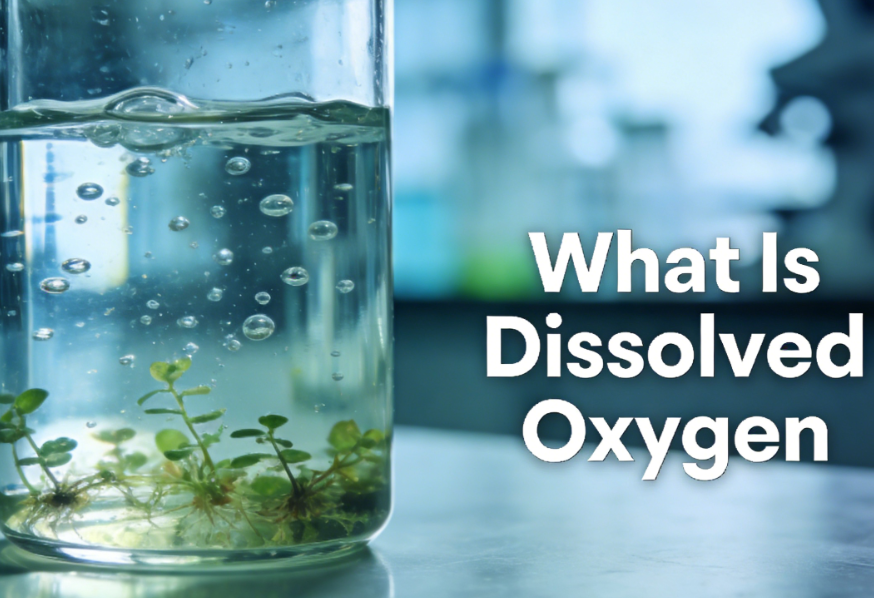
Aeration is the most widely used solution. Mechanical aerators, diffusers, and surface agitation devices increase oxygen transfer by exposing more water surface area to air.
Increasing water movement is another effective strategy. By promoting circulation and turbulence, oxygen from the atmosphere dissolves more efficiently, making these methods ideal for tanks, lagoons, rivers, and treatment basins.
Reducing organic loading is just as important as adding oxygen. Lowering nutrient input and managing wastewater inflow can significantly decrease oxygen demand.
In some systems, biological control—such as managing algae growth—prevents nighttime oxygen depletion. These combined strategies improve long-term DO stability rather than offering temporary fixes.
Temperature management can make a measurable difference. Shading open water systems or optimizing process conditions helps maintain cooler temperatures that support higher oxygen solubility.
Other site-specific factors, including altitude and salinity, also affect DO capacity. Understanding these variables ensures that efforts to increase dissolved oxygen in water are realistic and effective.
Increasing DO without monitoring can lead to inefficiency or instability. Over-aeration wastes energy, while under-aeration fails to solve the problem.
This is where precise measurement becomes essential. Traditional lab testing or indirect observation lacks real-time accuracy. Portable instruments allow operators to instantly assess DO levels, oxygen saturation, and temperature on-site, supporting data-driven decisions.
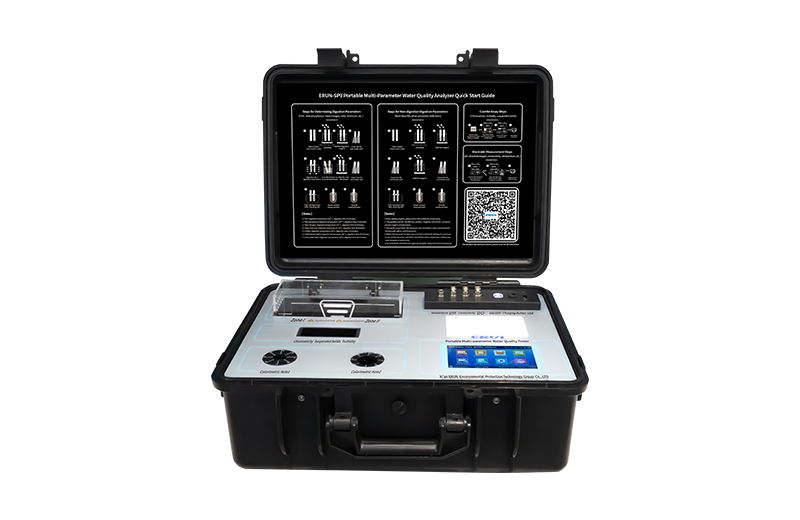
The ERUN-SP9-A5 Portable Dissolved Oxygen Meter is designed to solve real-world challenges faced by water quality professionals. It provides rapid and accurate measurement of dissolved oxygen concentration, oxygen saturation, and water temperature in one compact device.
For operators working to understand how to increase dissolved oxygen in water, this meter enables immediate verification of aeration effectiveness, process adjustments, and environmental changes. Its dedicated dissolved oxygen electrode ensures stable and precise results across wastewater treatment plants, aquaculture systems, environmental monitoring sites, and industrial applications.
With one-handed operation and portable design, the ERUN-SP9-A5 allows users to perform fast field measurements without complex setup. This improves efficiency, reduces downtime, and supports reliable water quality management decisions.
Improving dissolved oxygen levels requires a balanced approach—combining physical aeration, pollution control, and operational optimization. Just as important is accurate measurement to confirm that corrective actions are working.
By understanding how to increase dissolved oxygen in water and using reliable tools like the ERUN-SP9-A5 Portable Dissolved Oxygen Meter, water professionals can maintain stable DO levels, protect aquatic life, and ensure efficient system performance.