


Understanding residual chlorine levels is crucial for maintaining safe and clear swimming pool water. Whether you manage a public swimming pool, a hotel facility, or provide professional water testing services, chlorine residual is one of the most critical water quality indicators. It directly affects disinfection efficiency, swimmer safety, and regulatory compliance.
This article explains what chlorine residual is, why it matters, how it is measured, and how professional instruments like the ERUN-SP7 portable multi-parameter water quality detector help achieve accurate and reliable results.
Chlorine residual in pool water refers to the amount of chlorine remaining in the water after it has reacted with bacteria, algae, organic matter, and other contaminants. This remaining chlorine continues to disinfect the water, preventing the growth of harmful microorganisms.
Unlike the total amount of chlorine added to a pool, chlorine residual represents the portion that is still active and effective.
A proper chlorine residual level ensures:
Continuous disinfection against bacteria and viruses
Prevention of algae growth
Clear, odor-free water
If residual levels are too low, pathogens can survive. If levels are too high, swimmers may experience skin irritation, eye discomfort, and strong chemical odors. That is why swimming pool water quality testing always includes chlorine residual as a core parameter.
Free chlorine is the most important form of chlorine residual. It consists of hypochlorous acid and hypochlorite ions that actively disinfect pool water. When professionals refer to ideal pool sanitation, they are usually talking about free chlorine levels.
Combined chlorine, primarily chloramines, forms when free chlorine reacts with contaminants like ammonia.
Chloramines are not only less effective disinfectants but also responsible for the strong “chlorine” smell and eye irritation
commonly experienced in pools.
Total chlorine is the sum of free chlorine and combined chlorine. Measuring both values helps identify water quality problems and guides corrective treatment.
Most guidelines recommend:
Free chlorine: 1.0–3.0 mg/L
Total chlorine: No more than 0.5 mg/L above free chlorine
These ranges ensure effective disinfection while minimizing health risks.
Low chlorine residual can lead to:
Bacterial contamination
Algae growth
Cloudy water
Excessive chlorine residual may cause:
Corrosion of pool equipment
Strong chemical smell
Discomfort for swimmers
Accurate residual chlorine measurement is essential to avoid both extremes.
Common methods include:
DPD colorimetric test kits
Chlorine test strips
While these are inexpensive and easy to use, they often lack precision and are influenced by lighting conditions and human judgment. For professional applications, these methods may not meet accuracy requirements.
Portable digital analyzers provide higher precision, repeatability, and data reliability. A professional residual chlorine tester eliminates visual error and allows on-site testing across multiple parameters.
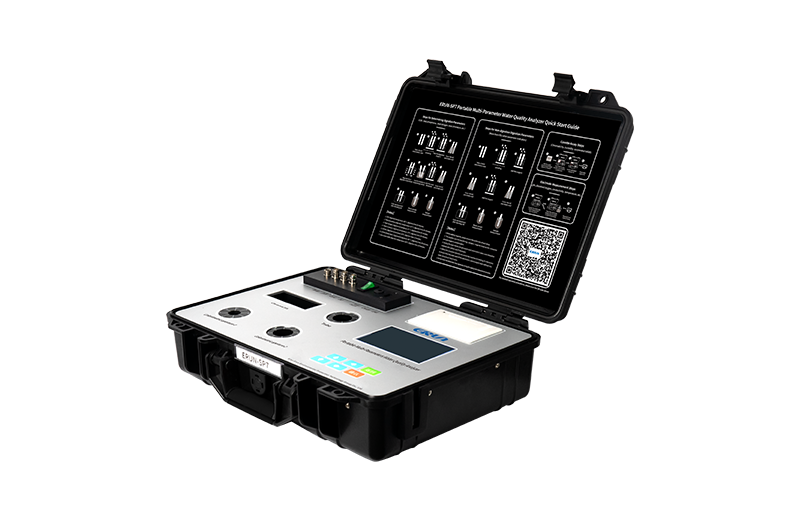
The ERUN-SP7, developed by Erun Environmental Protection, is a portable water quality analyzer designed for professional and industrial applications. It supports testing of:
residual chlorine
total chlorine
chlorine dioxide
Turbidity, color, hardness
COD, ammonia nitrogen, total phosphorus, total nitrogen
Heavy metals including copper, iron, manganese, zinc, and more
Test parameters can be expanded and customized according to project requirements.
For pool operators and inspection services, ERUN-SP7 offers:
High-precision digital detection
Rapid on-site analysis
Multi-parameter testing beyond chlorine
Portable design for field use
It is ideal for commercial pools, hotels, water testing companies, and health authorities that require reliable pool water chlorine testing.
Public and commercial pools require routine chlorine residual monitoring to meet health regulations. Accurate testing helps operators adjust disinfectant dosing promptly and avoid inspection issues.
In municipal water treatment plants, chlorine residual measurement is critical for disinfectant dosage control. Consistent residual levels ensure water safety while preventing chemical overuse. Instruments like ERUN-SP7 support both pool and municipal applications with the same device.
Understanding chlorine residual in pool water is key to maintaining safe, clear, and compliant swimming environments. Knowing the different types of chlorine residual, recommended ranges, and proper testing methods helps prevent health risks and operational problems.
For professionals who require accurate, efficient, and expandable testing solutions, the ERUN-SP7 portable multi-parameter water quality detector provides a reliable way to monitor chlorine residual and many other water quality indicators in one instrument.
Ready to elevate your water testing from reactive to proactive?
Contact our team for a virtual demo tailored to your facility's needs. Get Your Free Consultation Today:
WhatsApp: +86 181 8913 5710
Email: [email protected]