


Dissolved oxygen (DO) is often discussed in environmental monitoring and wastewater treatment, but it is also an important indicator in drinking water systems. While dissolved oxygen in drinking water standards are not always defined as strict limits, DO levels play a key role in water taste, pipeline integrity, and overall water quality management. Understanding how dissolved oxygen is measured, controlled, and monitored can help water utilities, inspectors, and facility managers maintain safe and stable drinking water systems.
Dissolved oxygen refers to the amount of free oxygen molecules present in water. In drinking water systems, DO enters water naturally through contact with air, aeration during treatment, and distribution through pipelines. Although oxygen itself is not harmful, its concentration influences chemical reactions within water systems.
In practice, dissolved oxygen in drinking water standards are used as reference values rather than mandatory limits. Monitoring DO helps operators detect corrosion risks, identify biological activity, and assess treatment performance. As drinking water systems become more complex, DO monitoring is increasingly considered a best practice rather than an optional parameter.
Dissolved oxygen is oxygen gas that is physically dissolved in water rather than chemically bound. In drinking water sources, oxygen enters water through surface exposure, natural turbulence, rainfall, and aeration processes used in water treatment plants.
Groundwater usually contains lower dissolved oxygen levels due to limited air contact, while surface water sources typically show higher DO concentrations.
Most drinking water systems contain dissolved oxygen levels between 5 and 10 mg/L, depending on temperature, pressure, and treatment methods. Cold water generally holds more oxygen than warm water, which explains seasonal fluctuations in DO readings.
These values are considered normal and acceptable in most drinking water applications.
Unlike parameters such as turbidity, residual chlorine, or heavy metals, dissolved oxygen does not usually have a mandatory maximum or minimum limit in drinking water regulations. Organizations such as the World Health Organization (WHO) and the U.S. Environmental Protection Agency (EPA) do not specify a strict DO standard for potable water.
However, dissolved oxygen in drinking water standards is often defined internally by utilities or referenced in operational guidelines.
In practice, many water professionals consider dissolved oxygen levels above 5 mg/L as acceptable for drinking water systems. Extremely low DO levels may indicate stagnation or biological activity, while excessively high levels can accelerate corrosion in metal pipelines.
Therefore, dissolved oxygen is best viewed as a control indicator rather than a compliance-only parameter.
High dissolved oxygen levels can improve the “fresh” taste of drinking water. However, oxygen also promotes oxidation reactions, which may increase corrosion of iron and steel pipes. This can lead to elevated iron levels, discoloration, and maintenance issues within distribution networks.
Consumers often associate well-oxygenated water with freshness and better taste. Although DO does not pose a health risk, low oxygen levels can contribute to flat or unpleasant water taste, especially in stored or stagnant water systems.
Dissolved oxygen plays a direct role in corrosion processes. In metallic pipelines, oxygen reacts with iron and other metals, resulting in the formation of rust. Over time, this can damage infrastructure, reduce pipe lifespan, and increase operational costs.
DO interacts with parameters such as turbidity, iron, manganese, and residual chlorine. For this reason, dissolved oxygen should not be measured in isolation but as part of a comprehensive water quality monitoring strategy.
Dissolved oxygen is typically measured using electrochemical or optical sensors. Modern portable testers allow fast, accurate on-site measurement without complex sample preparation.
On-site testing is especially important because DO levels can change quickly once water samples are exposed to air.
Temperature, pressure, and sample handling all affect dissolved oxygen readings. Delayed testing or improper calibration can lead to inaccurate results, making reliable equipment essential for field measurements.
In drinking water systems, dissolved oxygen should be monitored alongside other key parameters such as turbidity, ammonia nitrogen, hardness, metals, and residual disinfectants. Multi-parameter testing improves efficiency and ensures data consistency.
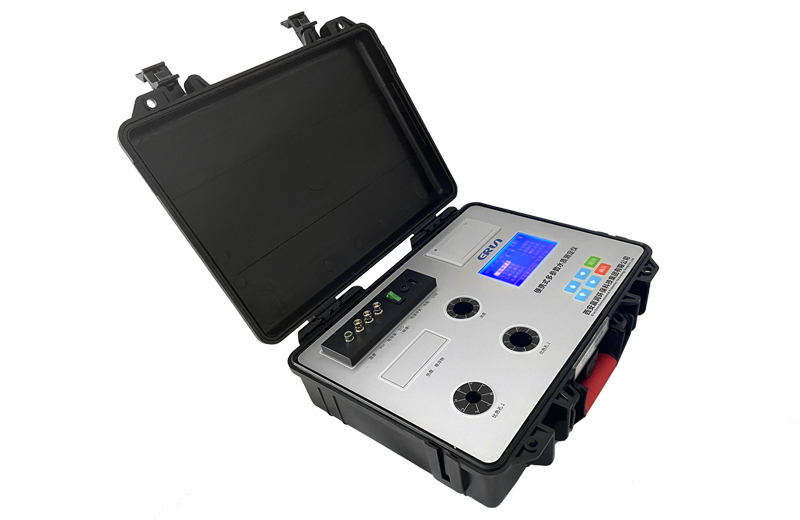
The ERUN-SP7 portable multi-parameter water quality tester, developed by Erun Environmental Protection, supports dissolved oxygen testing along with COD, ammonia nitrogen, total phosphorus, turbidity, copper, iron, hardness, and many other indicators.
Its portable design makes it suitable for on-site drinking water inspections, while features such as data storage, statistical analysis, and a built-in printer support documentation and reporting needs.
The ERUN-SP7 is widely used in water treatment plants, rural drinking water monitoring projects, regulatory inspections, and engineering evaluations where reliable dissolved oxygen data is required.
Maintaining appropriate dissolved oxygen levels involves balanced aeration, proper disinfection control, and careful pipeline material selection. Continuous monitoring helps detect abnormal changes early, reducing the risk of corrosion or water quality complaints.
Portable dissolved oxygen testers play an important role in routine inspections and preventive maintenance programs.
Although dissolved oxygen in drinking water standards are not always regulated as strict limits, DO remains a critical indicator of water quality and system performance. Proper monitoring helps protect infrastructure, maintain water taste, and support overall drinking water safety.
Using reliable, multi-parameter instruments such as the ERUN-SP7 allows water professionals to monitor dissolved oxygen accurately while evaluating multiple water quality indicators in a single test, improving efficiency and confidence in results.