


In boiler systems, water quality directly determines efficiency, safety, and equipment lifespan. Among all water quality parameters, dissolved oxygen (DO) is one of the most critical yet often underestimated factors. Understanding why dissolved oxygen is removed from boiler water is essential for preventing corrosion, reducing maintenance costs, and ensuring stable boiler operation.
This article explains the role of dissolved oxygen in boiler water, the risks of improper control, and how accurate on-site monitoring helps protect industrial boiler systems.
Dissolved oxygen refers to the amount of free oxygen molecules dissolved in water. In boiler systems, dissolved oxygen primarily enters through make-up water, feedwater tanks, and leaks in condensate return systems.
Even though oxygen is present in very small concentrations, its effect on metal surfaces inside boilers and piping systems is significant. At high temperatures and pressures, dissolved oxygen becomes highly reactive, making it one of the leading causes of internal boiler corrosion.
The main reason dissolved oxygen is removed from boiler water is to prevent corrosion.
When oxygen reacts with iron or steel surfaces inside boilers, it forms iron oxide (rust). This process accelerates under high temperature and pressure, leading to oxygen pitting, a localized and aggressive form of corrosion that can quickly penetrate boiler tubes.
Preventing metal oxidation and pitting corrosion
Protecting boiler tubes, drums, and economizers
Maintaining the structural integrity of high-pressure boiler systems
Even trace amounts of dissolved oxygen can cause severe damage over time, making its removal a fundamental requirement in boiler water treatment.
Failure to control dissolved oxygen levels can lead to multiple operational and safety issues.
Reduced boiler efficiency due to heat transfer loss from corroded surfaces
Increased maintenance and repair costs caused by tube leaks and equipment failure
Unexpected system downtime, disrupting industrial or power generation processes
Safety risks, especially in high-pressure boilers, where corrosion can cause sudden ruptures
In severe cases, untreated dissolved oxygen can shorten boiler lifespan dramatically, increasing the total cost of ownership.
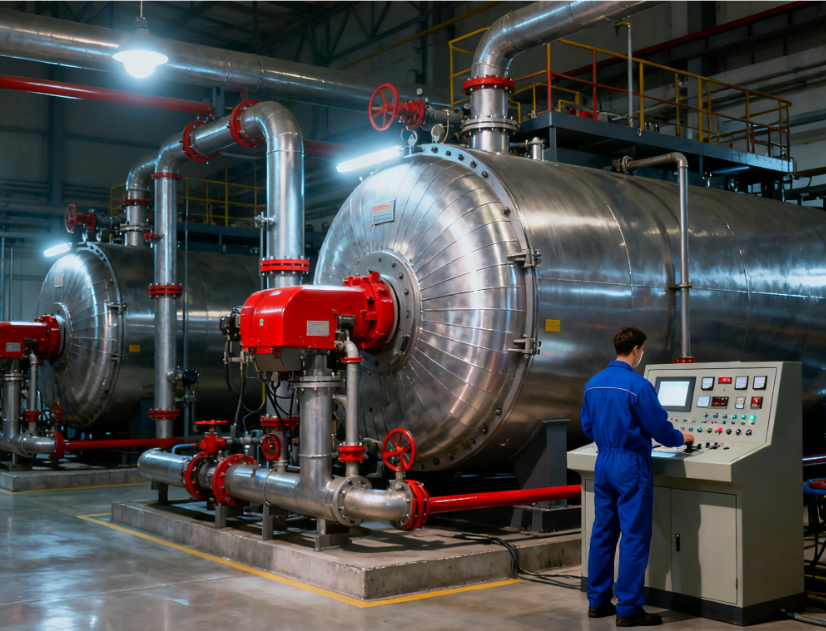
Boiler systems typically use a combination of mechanical and chemical methods to remove dissolved oxygen.
Deaerators heat feedwater to near boiling, allowing oxygen and other dissolved gases to escape before water enters the boiler.
Chemicals such as hydrazine alternatives or sulfite compounds react with residual oxygen, converting it into harmless substances.
However, even the best removal methods are ineffective without accurate dissolved oxygen monitoring, as overdosing chemicals or unnoticed oxygen ingress can still lead to corrosion.
Reference values for dissolved oxygen in boiler water:
Low-pressure boilers: <15 μg/L
Medium-pressure boilers: <7 μg/L
High-pressure boilers: <3 μg/L
This would be more convincing.
Industry standards require dissolved oxygen in boiler water to be kept at extremely low levels, often below a few micrograms per liter, depending on boiler pressure.
Continuous or frequent testing allows operators to:
Verify the effectiveness of deaeration systems
Optimize chemical dosing
Detect oxygen ingress early
Maintain consistent boiler water quality
On-site testing is especially important in power plants, industrial boilers, and thermal systems where conditions change rapidly.
Supports expandable and customizable test parameters based on boiler requirements
Portable design for on-site testing in boiler rooms and power plants
Data storage for 100 curves and 1999 records with time and parameter labels
Built-in printer for immediate result documentation
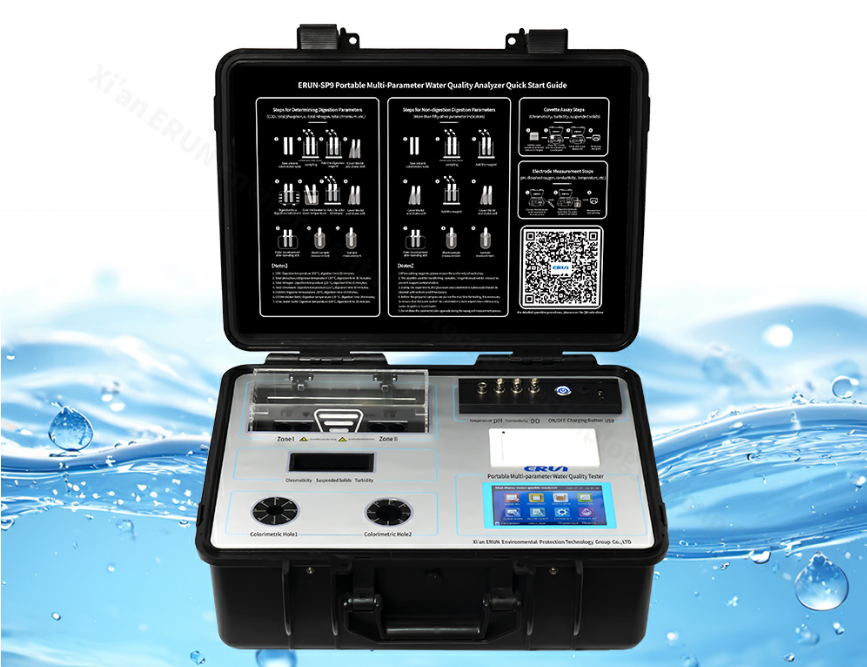
By enabling real-time dissolved oxygen testing alongside other critical boiler water parameters, the ERUN-SP7 helps operators make informed decisions and prevent corrosion risks before they escalate. This dissolved oxygen meter has been widely used in power plant boiler water testing, industrial boiler system monitoring, petrochemical industry boiler maintenance, and so on.
Understanding why dissolved oxygen is removed from boiler water is fundamental to boiler safety and efficiency. Dissolved oxygen is a primary driver of corrosion, equipment failure, and energy loss if left uncontrolled.
With portable instruments like the ERUN-SP9, boiler operators can monitor dissolved oxygen and overall water quality on site, supporting proactive maintenance and smarter water treatment strategies.