


Maintaining optimal water quality in wastewater treatment is critical for both regulatory compliance and operational efficiency. Among the various parameters that operators monitor, alkalinity often stands out as a key factor influencing treatment stability. Understanding why alkalinity matters—and how to measure it accurately—can help wastewater plants operate efficiently and prevent costly system upsets.
Alkalinity refers to the water’s buffering capacity, or its ability to resist pH changes. In wastewater, this buffering action is primarily provided by compounds such as:
Bicarbonates (HCO₃⁻)
Carbonates (CO₃²⁻)
Hydroxides (OH⁻)
Measured in mg/L as CaCO₃, alkalinity plays a vital role in stabilizing pH levels during biological and chemical treatment processes. A well-balanced alkalinity level ensures that microbial communities in biological treatment systems thrive and perform optimally.
Alkalinity is essential in multiple stages of wastewater treatment:
During treatment, pH fluctuations can damage sensitive microbial populations and reduce treatment efficiency. Adequate alkalinity acts as a buffer, maintaining stable pH levels and preventing sudden drops that could disrupt processes.
In activated sludge and biofilm systems, microbes rely on a stable chemical environment to break down organic matter. Alkalinity supports this balance by providing a reservoir of buffering agents that maintain suitable conditions for microbial metabolism.
Insufficient alkalinity can lead to:
Process instability and uneven treatment efficiency
Higher chemical correction costs
Increased risk of effluent non-compliance
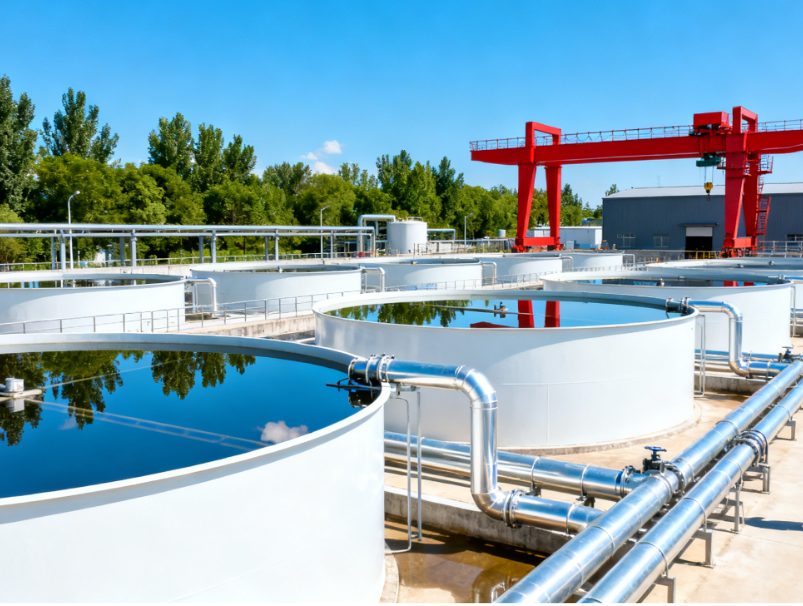
Nitrification—the conversion of ammonia nitrogen into nitrate—consumes significant alkalinity. During this process, ammonia oxidation releases hydrogen ions, lowering pH levels. Maintaining adequate alkalinity ensures:
Efficient ammonia removal
Prevention of process upset due to pH drops
Stable denitrification for nitrogen removal
For wastewater facilities targeting nitrogen compliance, monitoring alkalinity is not optional—it’s critical.
Low alkalinity may lead to microbial inhibition, unstable pH, and poor nitrification. Plants may need to add external chemicals to correct pH, increasing operational costs.
Conversely, excessively high alkalinity can:
Promote scaling on pipes and equipment
Complicated chemical dosing
Affect effluent quality, potentially exceeding regulatory limits
Maintaining the right alkalinity range is therefore essential for safe, efficient wastewater treatment.
Traditional methods include titration and laboratory analysis, which can be accurate but often time-consuming. For faster, on-site decision-making, portable multi-parameter testers are preferred.
On-site testing allows plant operators to:
Make immediate adjustments to chemical dosing
Monitor pH and alkalinity in real time
Reduce downtime and operational risks
This ensures treatment systems remain compliant and efficient without waiting for lab results.
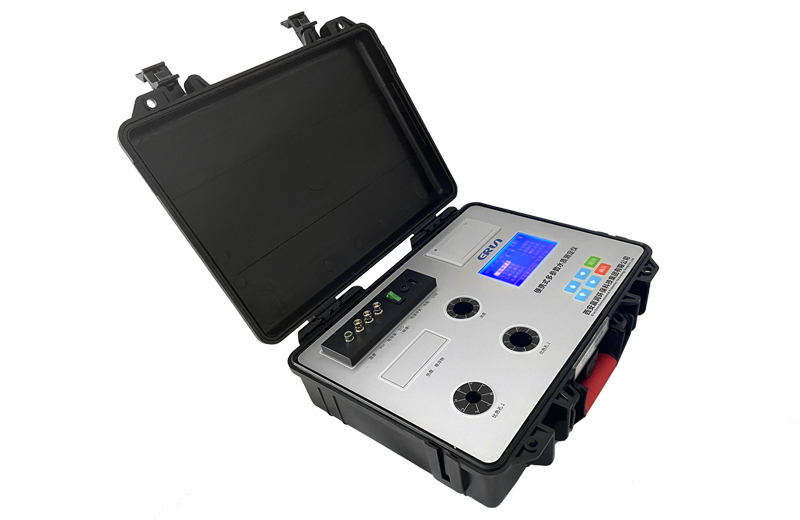
For efficient and accurate alkalinity monitoring, the ERUN-SP7 Portable Multi-Parameter Water Quality Tester is an ideal solution.
Portable, lightweight, and easy to carry for on-site measurements
Measures total alkalinity, COD, ammonia nitrogen, total phosphorus, total nitrogen, turbidity, and more
Expandable to include heavy metals and inorganic salts
On-site testing reduces reliance on lab analysis
Data storage: 100 curves, 1999 records with time and parameter labels
Built-in printer for immediate reporting
By using ERUN-SP7, wastewater treatment plants can monitor alkalinity efficiently and maintain optimal system performance.
Conduct routine alkalinity monitoring to detect changes early
Adjust chemical dosing based on real-time data
Coordinate alkalinity management with ammonia nitrogen and pH control
Use multi-parameter testers like ERUN-SP7 for integrated and accurate monitoring
Adopting these practices ensures stable operation, prevents scaling and corrosion, and supports microbial efficiency in biological treatment processes.
Alkalinity is more than just a number on a report—it is a cornerstone of wastewater treatment stability. Adequate monitoring and control prevent system upsets, optimize microbial activity, and ensure compliance with discharge standards. On-site portable testers like ERUN-SP7 provide an accurate, reliable, and convenient way to measure alkalinity and other key water quality parameters, helping wastewater facilities operate efficiently and safely.
Contact Us Today for Expert Water Quality Solutions:
Email: [email protected]
WhatsApp: +86-18189135710