


In industrial boiler systems, unseen water chemistry issues can inflict severe financial damage. Among these, alkalinity control is paramount—it acts as the system’s chemical “shock absorber,” stabilizing pH and preventing corrosion. Yet, many operators still grapple with a core question: how to control alkalinity in boiler water effectively and consistently? Failure here triggers a domino effect: tube failures, energy waste, and costly unplanned downtime. This guide outlines proven control methods and explains why pairing strategic treatment with professional-grade monitoring—like the ERUN-SP7 Portable Multi-Parameter Water Tester—is key to securing long-term system health and efficiency.
P-Alkalinity vs. M-Alkalinity: What are you actually measuring? To control alkalinity, you must first understand its forms. Phenolphthalein Alkalinity (P-Alk) measures the hydroxide and half of the carbonate, while Methyl Orange Alkalinity (M-Alk) represents total alkalinity. In a boiler, the ratio between these two tells you if your water is corrosive or scale-forming.
The Chemical Buffer: How alkalinity prevents rapid pH drops. Alkalinity is the water's "buffering capacity." It neutralizes acidic byproducts that naturally form during high-pressure operation. Without this buffer, the pH can crash instantly, leading to rapid acidic attack on metal surfaces.
Risks of Imbalance: From acidic corrosion to caustic embrittlement. Too little alkalinity causes pitting and thinning of tubes. Conversely, excessive alkalinity can lead to "caustic embrittlement," where the metal becomes brittle and cracks under stress—a leading cause of boiler explosions in older systems.
Low-Pressure vs. High-Pressure Boiler Requirements. Acceptable levels vary by system. Low-pressure boilers might tolerate total alkalinity up to 700 ppm, whereas high-pressure turbines require strictly controlled levels (often under 100 ppm) to prevent foaming.
Following Industry Standards: ASME and ABMA guidelines. Professional operators look to ASME (American Society of Mechanical Engineers) standards to define their setpoints. These guidelines ensure that your alkalinity testing aligns with global safety benchmarks.
The Correlation Between TDS Testing and Alkalinity Control. Total Dissolved Solids (TDS) and alkalinity are linked; as water evaporates, both concentrate. Managing one often requires managing the other through strategic blowdown.
Strategic Blowdown Operations: Removing concentrated alkaline solids. The most direct way to reduce high alkalinity is through "blowdown"—discharging a portion of the concentrated boiler water and replacing it with fresh, treated makeup water. This prevents the buildup of hydroxide ions.
Chemical Dosing: Using Soda Ash vs. Caustic Soda correctly. If alkalinity is too low, chemicals like sodium carbonate (soda ash) or sodium hydroxide (caustic soda) are added. However, this must be done precisely; overdosing is just as dangerous as underdosing.
Feedwater Pre-treatment: Dealkalizers and Reverse Osmosis (RO) systems. The best way to control alkalinity is to stop it before it enters the boiler. Dealkalizers or RO systems can remove carbonates and bicarbonates from the makeup water, reducing the chemical burden on the boiler itself.
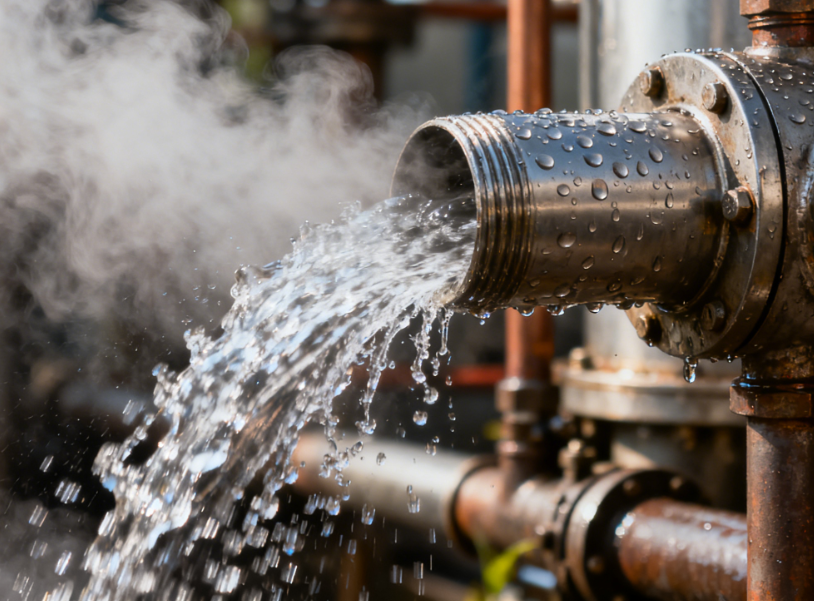
Human Error: The hidden cost of manual color-change indicators. Traditional drop-count titration relies on the operator’s eyesight to detect color shifts. In a dimly lit boiler room, a slight delay in spotting a "faint pink" can result in inaccurate data and incorrect chemical dosing.
Frequency Matters: Why "once a week" testing isn't enough. Boiler loads fluctuate. Testing only once a week leaves your system vulnerable for the other six days. Transitioning to a digital Portable Water Analyzer allows for rapid, daily checks that catch trends before they become failures.
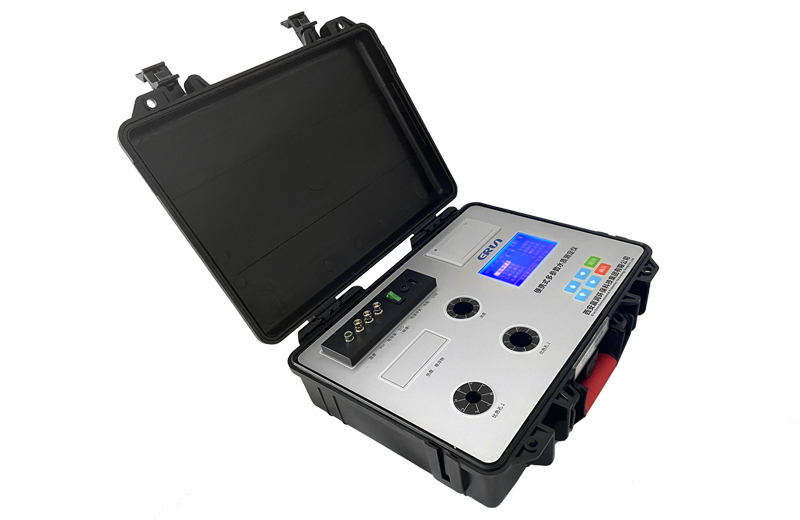
To truly master how to control alkalinity in boiler water, you need laboratory-grade data in the palm of your hand. The ERUN-SP7 portable multi-parameter water quality tester is designed exactly for this purpose.
Beyond Alkalinity: This robust device doesn't just measure alkalinity. It handles COD water testing, ammonia nitrogen, total phosphorus test, and heavy metals like copper and iron.
Field-Ready Features: Engineered for the "on-site" reality, it is convenient to carry and rugged enough for the boiler room floor.
Smart Data Management: Forget handwritten logs. The ERUN-SP7 stores 1999 data records with time stamps and parameter labels, making it the perfect tool for compliance auditing.
Built-in Printer: Need a hard copy for the shift log? The integrated printer allows for immediate physical documentation of your water quality results.
The beauty of the ERUN-SP7 is its versatility. Beyond standard alkalinity, it can be expanded to test for phosphate, sulfate, nitrite, and hardness. Whether you are monitoring residual chlorine or chromium, this instrument can be customized to fit the unique "chemical fingerprint" of your industrial facility.
Our technical experts are standing by to provide customized solutions and quotes for your specific industrial needs.
WhatsApp / Telephone: +86 181 8913 5710
Email: [email protected]
How does alkalinity affect fuel consumption? High alkalinity causes scale; scale acts as an insulator, requiring more fuel to heat the same amount of water.
Can I use a pH meter instead of an alkalinity test? No. pH measures intensity, while alkalinity measures capacity. You need both for a complete picture.
How often should I perform a COD or Phosphorus test? For most industrial boilers, weekly COD testing and daily alkalinity/hardness testing are the gold standard for safety.
Controlling alkalinity is not a "set-and-forget" task; it is a continuous cycle of testing, treating, and monitoring. By maintaining the correct balance, you protect your system from corrosion, reduce fuel costs, and prevent unplanned downtime.
Don’t leave your boiler’s health to guesswork. Visit erunwas.com to explore the ERUN-SP7 Portable Water Analyzer and empower your technical team with the precision they deserve.