


In industrial and commercial boiler systems, water quality directly determines efficiency, safety, and equipment lifespan. While parameters such as pH and conductivity receive frequent attention, boiler water alkalinity is often overlooked. In reality, alkalinity plays a crucial role in controlling corrosion, preventing scale formation, and ensuring stable boiler operation. Understanding why alkalinity is important in a boiler is essential for anyone responsible for boiler maintenance, operation, or water treatment.
This article explains what boiler alkalinity is, why it matters, the risks of improper control, and how modern testing solutions can simplify boiler water monitoring.
Alkalinity refers to the water’s ability to neutralize acids. In boiler systems, it mainly comes from bicarbonates, carbonates, and hydroxides. Unlike pH, which shows how acidic or alkaline the water is at a specific moment, alkalinity reflects the buffering capacity of the water.
This buffering ability is crucial because boiler water chemistry is constantly changing due to heat, pressure, and chemical dosing. Without sufficient alkalinity, acids formed during operation can rapidly corrode internal metal surfaces.
Boiler alkalinity is usually expressed in mg/L or ppm as CaCO₃. The optimal range depends on boiler type, operating pressure, and water treatment strategy. Rather than relying on pH values alone, alkalinity provides a more reliable indicator of long-term chemical stability inside the boiler.
One of the primary reasons alkalinity is important in a boiler is corrosion prevention. During boiler operation, acidic byproducts can form from dissolved gases, chemical reactions, or contaminants in feedwater. Adequate alkalinity neutralizes these acids before they attack boiler tubes, drums, and piping.
Without proper alkalinity control, corrosion can lead to leaks, tube failure, and expensive shutdowns.
Many operators focus only on pH, but pH without alkalinity control is unstable. Alkalinity acts as a chemical buffer, preventing sudden pH fluctuations. This stability is essential in industrial boilers, where temperature and pressure changes can quickly disrupt water chemistry.
In short, alkalinity and pH work together—but alkalinity ensures pH remains under control.
Improper alkalinity levels can contribute to scale formation or excessive sludge. When alkalinity is too low, dissolved metals may precipitate unpredictably. When it is too high, hardness compounds can form scale on heat-transfer surfaces, reducing thermal efficiency and increasing fuel consumption.
Maintaining balanced alkalinity helps keep impurities suspended and removable through blowdown.
High-quality steam is critical for power generation, heating systems, and industrial processes. Alkalinity helps prevent foaming and carryover, which can contaminate steam and damage downstream equipment such as turbines, valves, and heat exchangers.
Most boiler water guidelines and industrial standards specify alkalinity control as a key parameter. Monitoring alkalinity supports compliance, reduces operational risk, and improves overall system reliability.
Low alkalinity reduces water’s buffering capacity, allowing acids to aggressively attack metal surfaces. Common consequences include:
Acid corrosion
Pitting and tube thinning
Shortened boiler lifespan
These issues often develop silently and become visible only after significant damage has occurred.
Excessively high alkalinity is also dangerous. It may cause:
Foaming and carryover
Caustic embrittlement of boiler steel
Poor steam purity
This is why alkalinity control is not about “more is better,” but about maintaining the correct balance.
Alkalinity has traditionally been measured using manual titration. While accurate under controlled conditions, this method is time-consuming, prone to human error, and unsuitable for frequent on-site testing in industrial environments.
Today, portable water quality analyzers allow fast, reliable alkalinity testing directly at the boiler site. These instruments significantly improve response time and enable operators to take corrective action before problems escalate.
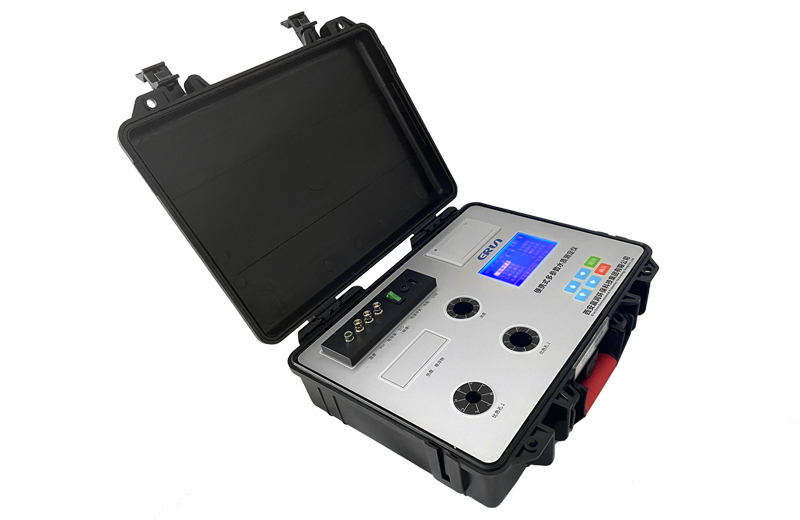
The ERUN-SP7 portable multi-parameter water quality tester, developed by Erun Environmental Protection, is designed specifically for industrial water monitoring. It supports alkalinity testing alongside other critical boiler parameters such as COD, ammonia nitrogen, turbidity, copper, and more.
Multi-parameter capability: Measures alkalinity, hardness, residual chlorine, metals, and inorganic salts
Expandable testing items: Can be customized based on boiler system requirements
Portable design: Ideal for on-site boiler rooms and power plants
Advanced data management: Stores 100 curves and 1999 data records with time and parameter labels
Built-in printer: Enables instant printing of test results for records and compliance
With measurement, storage, and reporting integrated into one device, ERUN-SP7 improves efficiency and reduces dependence on external laboratories.
Testing frequency depends on boiler size, operating conditions, and water treatment programs. In most industrial settings, regular on-site alkalinity testing is recommended to detect trends early rather than reacting to failures.
Portable testing instruments make routine monitoring practical, helping operators maintain consistent water chemistry and avoid unexpected downtime.
So, why is alkalinity important in a boiler? It protects against corrosion, stabilizes pH, improves steam quality, and extends equipment life. Both low and high alkalinity can cause serious operational problems if left unmanaged.
By combining proper water treatment practices with reliable on-site testing solutions like the ERUN-SP7 portable multi-parameter water quality tester, boiler operators can maintain optimal alkalinity levels, reduce maintenance costs, and ensure safe, efficient boiler operation.
Contact Our Experts for a Quote:
WhatsApp: +86 18189135710
Email: [email protected]