


Unexplained shrimp mortality during molting. Stunted fish growth despite optimal feeding. These frustrating scenarios often trace back to a commonly overlooked culprit: improper water hardness.
While dissolved oxygen and ammonia levels rightfully command attention, neglecting water hardness—the concentration of calcium and magnesium ions—can silently undermine your entire operation. This article explains why mastering this parameter is not just technical but essential for profitability and stock health.
Water hardness refers to the concentration of calcium and magnesium ions dissolved in water. In aquaculture systems, these minerals play a vital role in biological and chemical processes. Hardness influences osmoregulation, skeletal development, molting cycles, and stress resistance. Without proper hardness control, even well-managed farms can experience slow growth, disease outbreaks, and unexplained mortality.
Modern aquaculture increasingly relies on data-driven water management, making accurate hardness monitoring a necessity rather than an option.
In aquaculture, water hardness is typically expressed as milligrams per liter (mg/L) or parts per million (ppm) of calcium carbonate (CaCO₃). It mainly consists of dissolved calcium (Ca²⁺) and magnesium (Mg²⁺), which are essential minerals for aquatic organisms.
Soft water contains low mineral concentrations, while hard water contains higher levels of calcium and magnesium. Unlike drinking water, aquaculture water must meet the physiological needs of fish and shrimp rather than human taste preferences. Extremely soft or overly hard water can disrupt biological balance and compromise animal health.
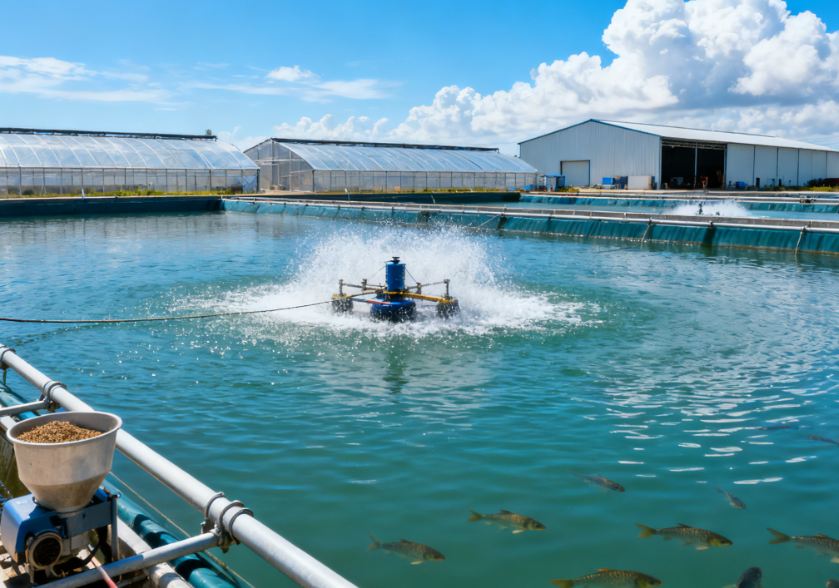
Water hardness directly affects osmoregulation—the process by which aquatic animals maintain internal salt balance. In low-hardness water, fish and shrimp expend more energy regulating ions, leaving less energy for growth. Calcium is also crucial for bone formation in fish and shell development in shrimp and crustaceans.
Proper water hardness improves stress tolerance, especially in intensive farming systems. Adequate calcium levels help stabilize cell membranes and reduce vulnerability to disease. Farms with stable hardness levels often report higher survival rates and more consistent production cycles.
While requirements vary by species, most freshwater fish perform well at 50–150 mg/L CaCO₃. Shrimp and prawns typically require higher hardness, often between 100–300 mg/L, to support molting and shell strength. Consistency is more important than achieving an exact number.
Sudden changes in water hardness can shock aquatic organisms, even if the final value falls within the acceptable range. Hardness also interacts closely with alkalinity and pH, meaning poor hardness control can destabilize the entire water chemistry system.
Low hardness can lead to weak skeletal structures, soft shells, molting difficulties, and increased mortality. Shrimp farms are particularly vulnerable to low calcium levels, which can result in incomplete molting and higher disease susceptibility.
Excessive hardness may reduce feed efficiency and cause mineral imbalances. Over time, this can lead to chronic stress and reduced growth performance, especially in species adapted to softer water environments.
Traditional test strips and chemical titration kits offer basic measurements but often lack precision. Digital water quality testers provide faster, more reliable results and are better suited for routine monitoring in aquaculture operations.
Water hardness should not be measured in isolation. Parameters such as ammonia nitrogen, turbidity, and nutrient levels often interact with hardness. Using a multi-parameter tester allows aquaculture managers to identify problems early and take corrective action before losses occur.
To effectively manage the delicate balance of hardness and its interrelated parameters, precise and comprehensive monitoring is essential. The ERUN-SP7 Portable Multi-Parameter Water Quality Tester is engineered to meet this need, delivering laboratory-grade accuracy in the demanding environments of modern aquaculture farms.
ERUN-SP7 supports hardness testing alongside critical parameters such as ammonia nitrogen, COD, total phosphorus, turbidity, and various heavy metals. Its portability makes it ideal for ponds, tanks, and remote farm locations.
Expandable and customizable test parameters
High repeatability (3%) and excellent optical stability
Data storage for curves and historical records
Built-in printer for immediate reporting
With its comprehensive functionality, ERUN-SP7 enables aquaculture operators to maintain stable water hardness and improve overall water quality management.
Consistent water hardness monitoring reduces mortality, improves growth efficiency, and lowers medication costs. Farms that invest in accurate testing equipment often achieve better feed conversion ratios and more predictable harvest cycles, leading to higher long-term profitability.
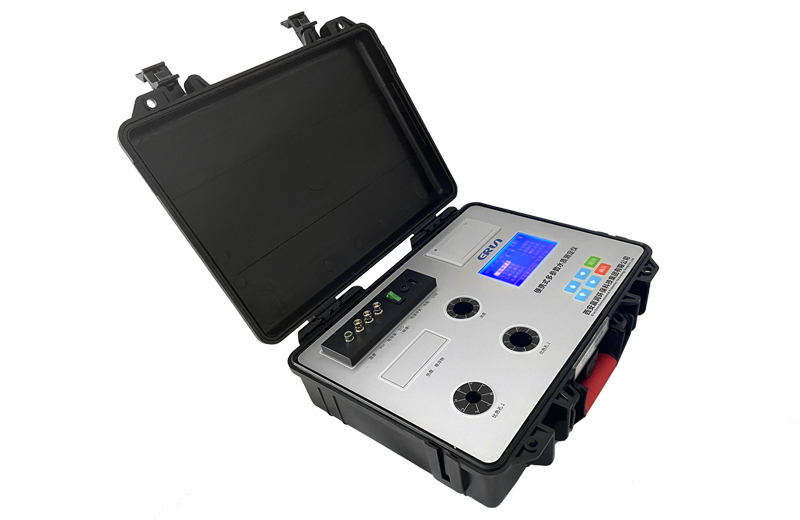
The importance of water hardness in aquaculture cannot be overstated. It affects growth, survival, and operational efficiency across all farming systems. By implementing routine monitoring and using reliable multi-parameter testing equipment like the ERUN-SP7, aquaculture professionals can achieve healthier stock, reduced risk, and more sustainable production outcomes.
Get a Personalized Assessment – Contact our aquaculture specialists to discuss your specific challenges and hardness management strategy.
WhatsApp: +86 181 8913 5710
Email: [email protected]