


Uncontrolled boiler water hardness leads directly to scale formation, reducing thermal efficiency, increasing energy costs, and risking severe equipment damage. For power plants and industrial facilities, regular and accurate hardness testing is not optional—it's essential for safe and economical operation. This guide explains reliable methods for checking boiler water hardness and how modern portable analyzers streamline this critical task.
Boiler water hardness mainly comes from dissolved calcium and magnesium ions. When boiler water is heated, these ions form hard scale deposits on heat exchange surfaces. Even a thin scale layer can significantly reduce heat transfer efficiency, forcing the boiler to consume more fuel to produce the same amount of steam.
Over time, excessive hardness can cause overheating of metal surfaces, tube blockage, and increased corrosion risks. In high-pressure boilers, the consequences can be even more severe, including tube rupture and unplanned shutdowns. That is why boiler water hardness is always listed as a key control parameter in industrial water quality standards.
Regular hardness testing helps operators detect issues early and adjust softening or chemical treatment processes before serious damage occurs.
High hardness in boiler water is often related to the quality of the source water. Groundwater typically contains higher levels of calcium and magnesium than surface water, making it more likely to introduce hardness into boiler systems.
Inadequate water softening is another common cause. If ion exchange systems or pretreatment units are not functioning properly, hardness ions pass directly into the boiler. Additionally, as water continuously evaporates during boiler operation, dissolved salts become more concentrated, which further increases hardness levels if not properly controlled.
Understanding these sources is the first step toward effective boiler water hardness management.
EDTA titration is a classic laboratory method for measuring total hardness. It provides reliable results, but it requires skilled operators, chemical reagents, and sufficient testing time. This makes it less suitable for frequent on-site boiler inspections.
Hardness test strips offer quick, low-cost screening. However, their accuracy is limited, and results are easily influenced by temperature, lighting, and user interpretation. Test strips are useful for rough checks but not recommended for precise boiler control.
Portable multi-parameter water quality analyzers combine laboratory-level accuracy with on-site convenience. They allow boiler operators to quickly measure total hardness along with other critical parameters, ensuring more comprehensive and reliable water quality management.
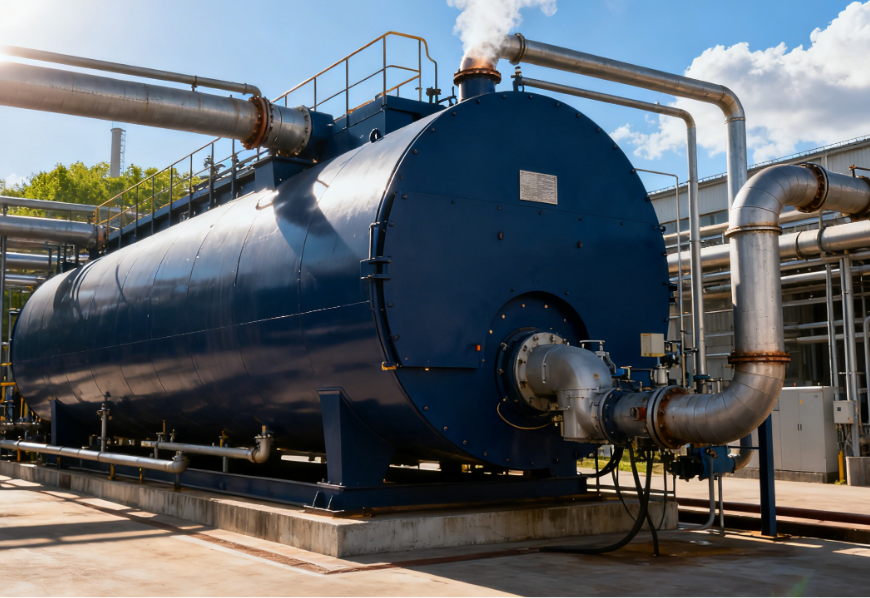
Acceptable boiler water hardness levels vary depending on boiler pressure and system design. Generally, boiler water hardness should be kept extremely low—often close to zero—to prevent scale formation.
Low-pressure boilers may tolerate trace hardness levels
Medium and high-pressure boilers typically require near-zero hardness
Even small deviations from recommended limits can cause long-term operational problems. This is why accurate, repeatable hardness testing is essential rather than occasional or approximate measurement.
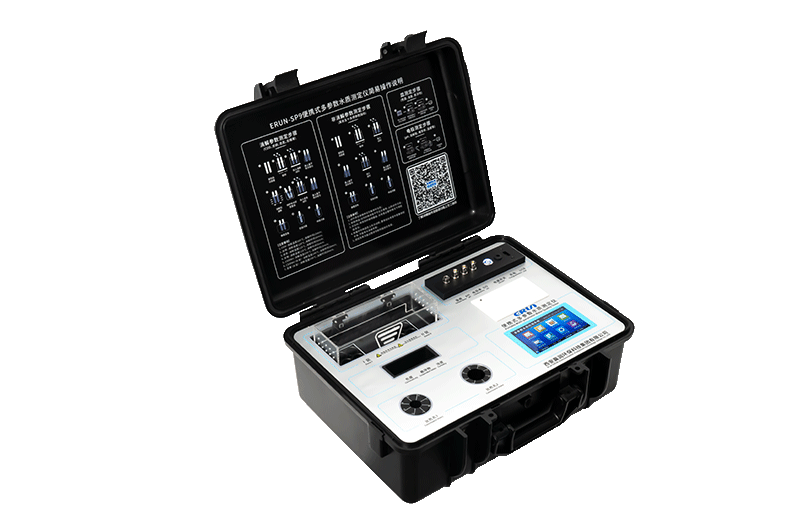
The ERUN-SP9-11 portable multi-parameter boiler water quality analyzer is specifically designed for industrial boiler applications.
In addition to total hardness, ERUN-SP9-11 can accurately measure pH, conductivity, TDS, dissolved oxygen, phosphate, total alkalinity, chloride, copper, iron, turbidity, and other key boiler water indicators. Users can flexibly select parameters based on actual testing needs, helping them control water quality more comprehensively.
Equipped with a 16-channel optical detection system, ERUN-SP9-11 meets international standards and delivers stable, repeatable results. This ensures confidence in hardness measurements, even during frequent on-site testing.
With a built-in high-capacity lithium battery and dual temperature-controlled dissolver, ERUN-SP9-11 supports long-term operation without external power. This makes it ideal for field testing in power plants, industrial facilities, and remote boiler rooms.
Contact us today to explore how our solutions can be tailored to your monitoring challenges:
Email: [email protected]
WhatsApp: +86-18189135710
One common mistake is testing too infrequently. Boiler water quality can change rapidly, so regular monitoring is essential. Another issue is relying on single-parameter testing while ignoring related indicators such as alkalinity or phosphate, which also influence scaling behavior.
Inaccurate sampling and improper temperature control can also lead to misleading results. Using a professional boiler water analyzer helps minimize these risks.
Boiler water hardness plays a crucial role in system efficiency, safety, and long-term reliability. Traditional testing methods can be slow or inaccurate for modern boiler management needs. Portable multi-parameter analyzers offer a more efficient and reliable solution.
Portable multi-parameter analyzers offer the most efficient and reliable solution for comprehensive boiler water management. By integrating precise photometric hardness testing with other critical parameter measurements in a single, ruggedized instrument, modern devices empower teams to maintain optimal water chemistry, prevent costly downtime, and ensure operational safety.