

Total nitrogen (TN) is one of the most critical indicators in water quality monitoring. Whether you are testing drinking water, surface water, or wastewater, understanding what the standard for total nitrogen is—and how to measure it accurately—is essential for regulatory compliance and environmental protection.
In this guide, we’ll explain total nitrogen standards, why TN matters, how it’s measured, and how portable instruments like ERUN-SP7 help professionals achieve reliable results in real-world testing scenarios.
Total nitrogen refers to the sum of all nitrogen forms present in water, including:
Nitrate nitrogen (NO₃⁻-N)
Nitrite nitrogen (NO₂⁻-N)
Ammonia nitrogen (NH₃-N / NH₄⁺-N)
Organic nitrogen
These compounds originate from fertilizers, sewage discharge, industrial wastewater, livestock farming, and the decomposition of natural organic matter.
Because nitrogen compounds are closely linked to eutrophication and water pollution, total nitrogen is widely regulated in water quality standards.
The standard for total nitrogen varies depending on water type, application, and national or regional regulations. Common reference standards include:
Many countries do not set a direct TN limit for drinking water
Instead, limits are defined for individual components, such as:
Nitrate: typically ≤ 10 mg/L (as N)
Nitrite: typically ≤ 1 mg/L (as N)
Class I–III surface waters often require TN ≤ 0.2–1.0 mg/L
Lakes and reservoirs usually have stricter TN limits to prevent algal blooms
Municipal and industrial wastewater discharge standards commonly range from:
TN ≤ 15–20 mg/L
Advanced treatment facilities may target TN ≤ 10 mg/L or lower
Always refer to local environmental regulations to determine the applicable total nitrogen standard for your project.
Monitoring total nitrogen is essential because excessive nitrogen can cause:
Eutrophication and algal blooms
Oxygen depletion and fish death
Degradation of drinking water sources
Increased water treatment costs
For wastewater treatment plants and environmental monitoring agencies, TN is a core compliance parameter. Failure to control nitrogen levels can lead to regulatory penalties and environmental damage.
Total nitrogen is typically measured through digestion and colorimetric analysis, which converts all nitrogen forms into a measurable compound.
Common methods include:
Persulfate digestion
UV spectrophotometry
Colorimetric methods
Accurate TN testing requires:
Proper digestion conditions
Stable optical measurement
Reliable calibration and repeatability
This is where multi-parameter portable water quality analyzers play a key role.
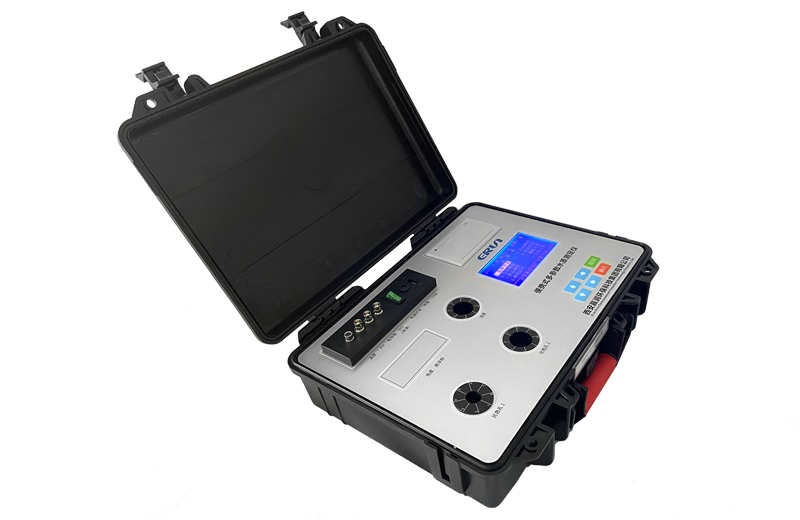
The ERUN-SP7 portable multi-parameter water quality detector is designed to meet the needs of field and laboratory professionals who require fast, accurate nitrogen testing.
Supports total nitrogen, ammonia nitrogen, nitrate, nitrite, and more
Measures multiple parameters, including COD, TSS, turbidity, and heavy metals
Expandable and customizable test items
Optical measurement with automatic wavelength selection
Ideal for on-site and mobile testing
Whether you are conducting routine inspections or emergency sampling, ERUN-SP7 provides laboratory-grade accuracy in a portable format.
Looking for a customized water quality testing solution?
Contact us at [email protected] or chat with us on WhatsApp: +86-18189135710 for quick technical support and pricing details.
Testing frequency depends on the application:
Wastewater discharge: daily or continuous monitoring
Environmental water: monthly or seasonal testing
Industrial compliance: based on permit requirements
Regular monitoring ensures early detection of nitrogen pollution and helps facilities stay within regulatory TN limits.
So, what is the standard for total nitrogen? The answer depends on water type and regulatory requirements—but accurate measurement is always essential.
By understanding TN limits, choosing the right testing method, and using reliable equipment like ERUN-SP7, water professionals can:
Ensure regulatory compliance
Protect ecosystems
Improve treatment efficiency
Need a Reliable Total Nitrogen Testing Solution?
Choosing the right water quality analyzer is critical for meeting regulatory standards and ensuring accurate results. ERUN-SP7 provides a portable, multi-parameter solution trusted by professionals worldwide.
Email: [email protected]
WhatsApp: +86-18189135710Our experts are ready to help you select the best configuration for your application.