


Total Nitrogen (TN) is a crucial parameter for evaluating water quality in drinking water, surface water, and wastewater. TN represents the sum of all forms of nitrogen, including nitrate, nitrite, ammonia, and organic nitrogen. Monitoring TN levels is essential because excessive nitrogen can lead to harmful algal blooms, eutrophication, and potential health risks. Accurate TN measurement ensures water safety for human consumption and helps maintain ecological balance.
Why Total Nitrogen Matters in Water Quality
Total Nitrogen plays a vital role in maintaining water ecosystems and regulatory compliance. High TN levels can promote rapid algae growth, which reduces oxygen in water and harms aquatic life. For human consumption, elevated nitrogen compounds, particularly nitrate and nitrite, can pose serious health risks such as methemoglobinemia (blue baby syndrome) in infants.
Authorities often set guidelines for acceptable TN levels. For example, drinking water standards typically limit nitrate to 10 mg/L. Regular monitoring ensures water safety and aids in making informed decisions for treatment or pollution control.
TN is a combination of various nitrogen compounds that each influence water quality differently:
Nitrate (NO3⁻) and nitrite (NO2⁻) primarily originate from agricultural runoff, fertilizers, and wastewater. While naturally occurring in small amounts, high concentrations can be dangerous for human health.
Ammonia (NH3/NH4⁺) indicates pollution from sewage or industrial effluents. Elevated ammonia can disrupt aquatic life and indicate organic contamination in water.
Organic nitrogen comes from decomposed plant and animal matter. It contributes to the total nitrogen load and is a precursor to ammonia and nitrate during biological processes.
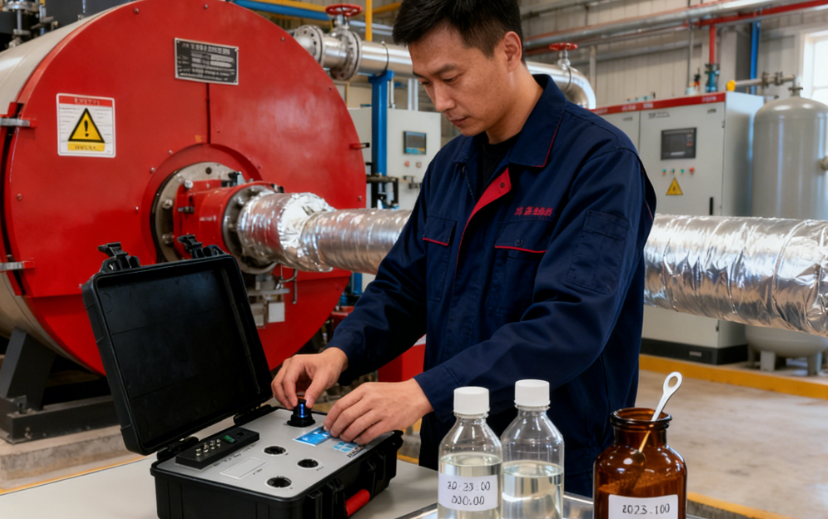
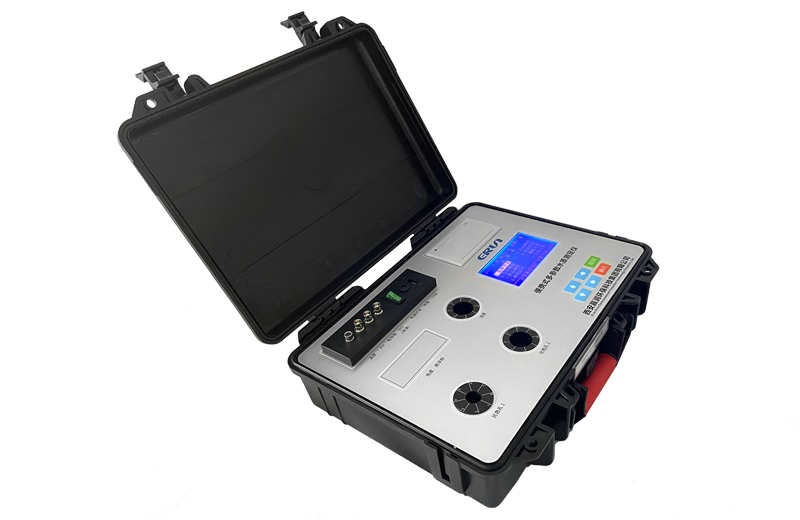
Measuring TN can be performed in laboratories or on-site using advanced portable detectors. The ERUN-SP7 portable multi-parameter water quality detector simplifies TN monitoring by combining optical and electrode measurement methods.
Key benefits include:
Accurate measurement of TN alongside other parameters such as COD, TSS, residual chlorine, and more.
Customizable test items to meet your specific water testing needs.
Field-friendly design with a large LCD, data storage, and USB export for easy reporting.
Collect the water sample.
Set the ERUN-SP7 to measure Total Nitrogen.
Follow the on-screen instructions to start the measurement.
Review and save results directly in the instrument or export via USB.
Get your ERUN-SP7 today, or want a quotation through Email: [email protected] or chat with us on WhatsApp: +86-18189135710
TN levels in water can vary due to:
Environmental factors: Rainfall, temperature, and seasonal changes.
Human activities: Agricultural runoff, industrial wastewater discharge, and urban sewage.
Regular monitoring helps identify pollution sources and manage nitrogen levels effectively.
Understanding TN readings is key to water quality management:
Safe levels: Drinking water generally requires TN below 10 mg/L for nitrate.
Moderate levels: Surface water can tolerate slightly higher TN, but excessive nitrogen leads to eutrophication.
High levels: Indicate contamination and necessitate immediate corrective actions.
By interpreting TN results accurately, water managers can prevent ecological damage and protect public health.
Total Nitrogen is a critical indicator of water quality. Proper measurement and monitoring help prevent pollution, safeguard public health, and maintain ecological balance. The ERUN-SP7 portable water quality detector offers a versatile, accurate, and field-ready solution for TN testing and more.
Ensure your water is safe and compliant—reach out via email ([email protected]) or WhatsApp (+86-18189135710) to learn more or purchase your ERUN-SP7 today!