


Water turbidity is one of the most important indicators of water quality. Whether you are monitoring drinking water, surface water, or industrial wastewater, understanding what a good turbidity level is helps ensure safety, regulatory compliance, and environmental protection. In this article, we explain turbidity standards, discuss why turbidity matters, describe what happens when levels are too high or too low, and outline how to measure turbidity accurately in real-world applications.
Turbidity refers to the cloudiness or haziness of water caused by suspended particles such as silt, clay, organic matter, algae, and microorganisms. These particles scatter light as it passes through water, which is why turbidity is commonly measured in Nephelometric Turbidity Units (NTU).
Unlike chemical parameters, turbidity does not identify what the particles are—it only indicates how much suspended material is present. However, turbidity is closely linked to microbial contamination, filtration efficiency, and overall water treatment performance.
A “good” turbidity level depends on how the water is used. Different applications follow different standards:
For potable water, turbidity should generally be:
≤ 1.0 NTU (recommended)
≤ 0.3 NTU after filtration in many regulatory guidelines
Low turbidity ensures better disinfection efficiency and reduces the risk of harmful microorganisms shielding themselves from disinfectants.
Natural water bodies typically show more variation:
< 5 NTU is often considered good for rivers and lakes
Higher levels may occur after rainfall or runoff events
Acceptable turbidity varies depending on discharge standards and treatment goals. Monitoring trends is often more important than a single value.
Turbidity is important because it affects both water safety and treatment performance:
Microbial risk: High turbidity can protect bacteria and pathogens from chlorine or UV disinfection.
Aesthetic quality: Cloudy water is visually unappealing and raises public concern.
Filter performance: Sudden turbidity changes often signal filtration problems.
Ecosystem health: Excess turbidity reduces light penetration, harming aquatic plants and fish.
Because turbidity reacts quickly to changes in water conditions, it is often used as an early warning indicator.

High turbidity levels can cause multiple problems:
Reduced disinfection efficiency
Increased risk of waterborne diseases
Sediment accumulation in pipes and equipment
Poor aquatic habitat conditions
In drinking water systems, turbidity spikes often trigger immediate investigation and corrective actions.
While low turbidity is generally desirable, extremely low or unstable turbidity values may sometimes indicate issues such as:
Sensor fouling or calibration errors
Incomplete particle representation in raw water sampling
Over-treatment in industrial processes
Therefore, turbidity should be interpreted together with other parameters like residual chlorine, pH, and TSS to get a complete picture of water quality.
Turbidity is commonly measured using optical methods, which detect light scattered by suspended particles. Modern turbidity testing instruments offer:
Fast, on-site measurements
Digital data storage
Multi-parameter integration
For field testing and routine monitoring, portable analyzers are especially useful.
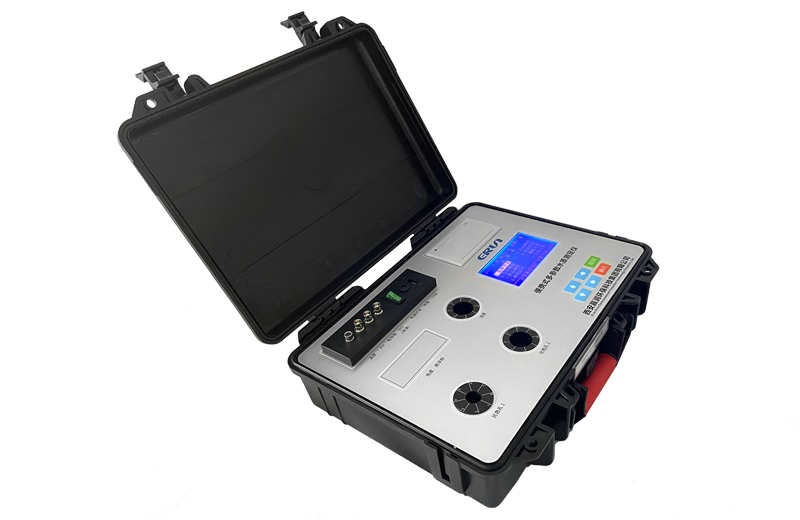
The ERUN-SP7 portable multi-parameter water quality detector is designed for flexible, on-site water analysis. In addition to turbidity, it supports the testing of multiple indicators, including:
COD and TSS
Ammonia nitrogen, total phosphorus, total nitrogen
Residual chlorine and total chlorine
Color, hardness, nitrate, sulfate, and more
Thanks to its expandable parameter configuration, ERUN-SP7 allows users to monitor turbidity alongside key chemical indicators, helping identify the root causes of turbidity changes rather than viewing turbidity in isolation. This makes it suitable for drinking water inspection, surface water monitoring, and wastewater testing.
To keep turbidity within acceptable ranges:
Monitor turbidity regularly, not just periodically
Investigate sudden spikes immediately
Combine turbidity data with chemical and microbiological indicators
Use calibrated, reliable instruments for consistent results
Consistent monitoring helps prevent small issues from becoming major water quality problems.
A good turbidity level depends on water use, but in general:
≤ 1 NTU for drinking water
< 5 NTU for most surface waters
Stable, controlled levels for industrial and wastewater systems
Turbidity is more than a visual measure—it reflects treatment efficiency, health risks, and environmental conditions. By using accurate testing methods and multi-parameter analyzers like ERUN-SP7, water professionals can make informed decisions and maintain safe, high-quality water.